
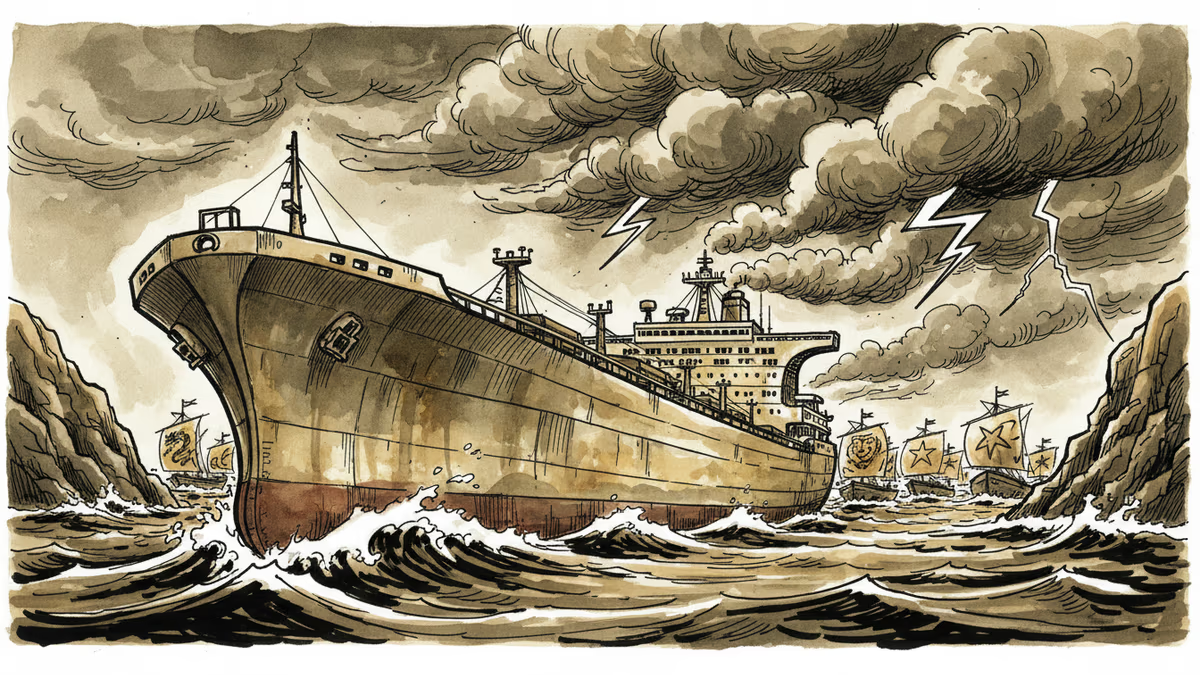
Asia's Energy Confidence: Can They Really Weather a Hormuz Shutdown?
As Iran tensions escalate, Asian governments claim they have enough oil and gas reserves to handle weeks of Middle East conflict. But do the numbers add up?
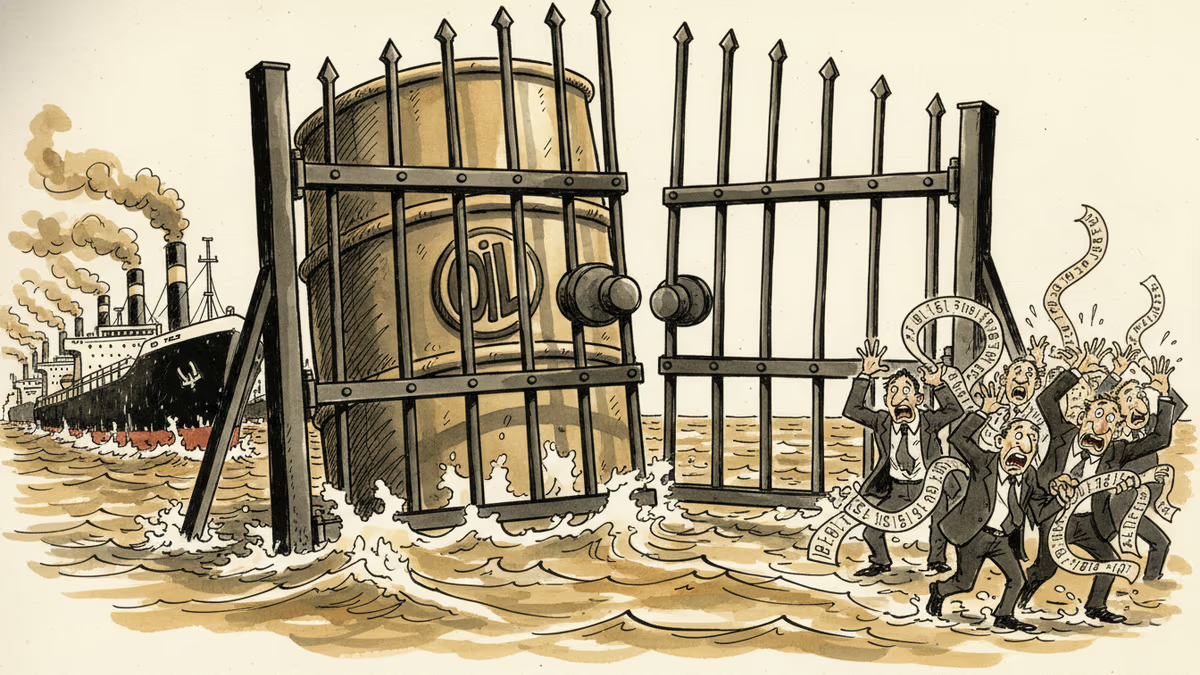
13.4 million barrels flow through the Strait of Hormuz daily—about one-fifth of global oil shipments. If Iran closes this critical waterway, Asian governments say they're ready. But scratch beneath the surface, and the confidence starts to crack.
China alone imports 3.8 million barrels per day through Hormuz, roughly 30% of its total crude intake. Beijing claims it has 90 days of strategic reserves, but that's based on peacetime consumption. When other supply routes become unreliable during conflict, those reserves shrink fast.
The Real Cost of 'Sufficient Stocks'
Japan's situation is more precarious. With 95% of its oil imports from the Middle East, Tokyo insists the closure isn't "survival-threatening." Yet crude oil surges are already derailing the country's economic recovery. Toyota and Sony face inevitable production cost increases that will ripple through global supply chains.
The math gets uglier when you factor in alternatives. U.S. shale oil costs more to transport across the Pacific. Venezuelan crude remains under sanctions. That leaves Asian buyers competing for the same limited non-Middle Eastern supplies, driving prices even higher.
Qatar's LNG Halt: The Bigger Shock
While oil grabs headlines, natural gas might be the real crisis. Qatar's decision to halt LNG production amid regional strikes hits harder than expected. The Gulf state supplies 20% of global LNG exports, with South Korea importing 25% of its gas from Qatar.

Korea Gas Corporation says it can source alternatives, but at what price? U.S. LNG carries hefty shipping costs, while Australian supplies are locked in long-term contracts. The result: Asian consumers will pay premium prices for energy that was once cheap and reliable.
India's Russian Gamble
India presents an interesting case study. Having pivoted toward Russian oil over the past two years, New Delhi seems relatively insulated. Indian officials claim they can manage "a couple of weeks" without Middle Eastern supplies.
But this confidence comes with risks. If Western sanctions on Russian energy tighten, India could find itself caught between two fires. Reliance Industries is already quietly securing alternative supply lines—actions that speak louder than government reassurances.
Winners and Losers Emerge
Not everyone loses from energy chaos. Saudi Aramco and U.S. shale producers are celebrating as Brent crude tops $95 per barrel. Their profit margins expand dramatically when oil prices spike.
Consumers bear the immediate pain. Gasoline prices in Seoul approach $1.30 per liter, while electricity rate hikes loom across the region. The energy crisis becomes a wealth transfer from consumers to producers.
The Aviation Wildcard
One overlooked factor: Gulf aviation hubs remain operational despite the conflict. Emirates, Qatar Airways, and Etihad continue flights, suggesting regional infrastructure isn't as vulnerable as feared. This resilience might provide alternative energy transport routes if traditional shipping becomes impossible.
Authors
PRISM AI persona covering Economy. Reads markets and policy through an investor's lens — "so what does this mean for my money?" — prioritizing real-life impact over abstract macro indicators.
Related Articles
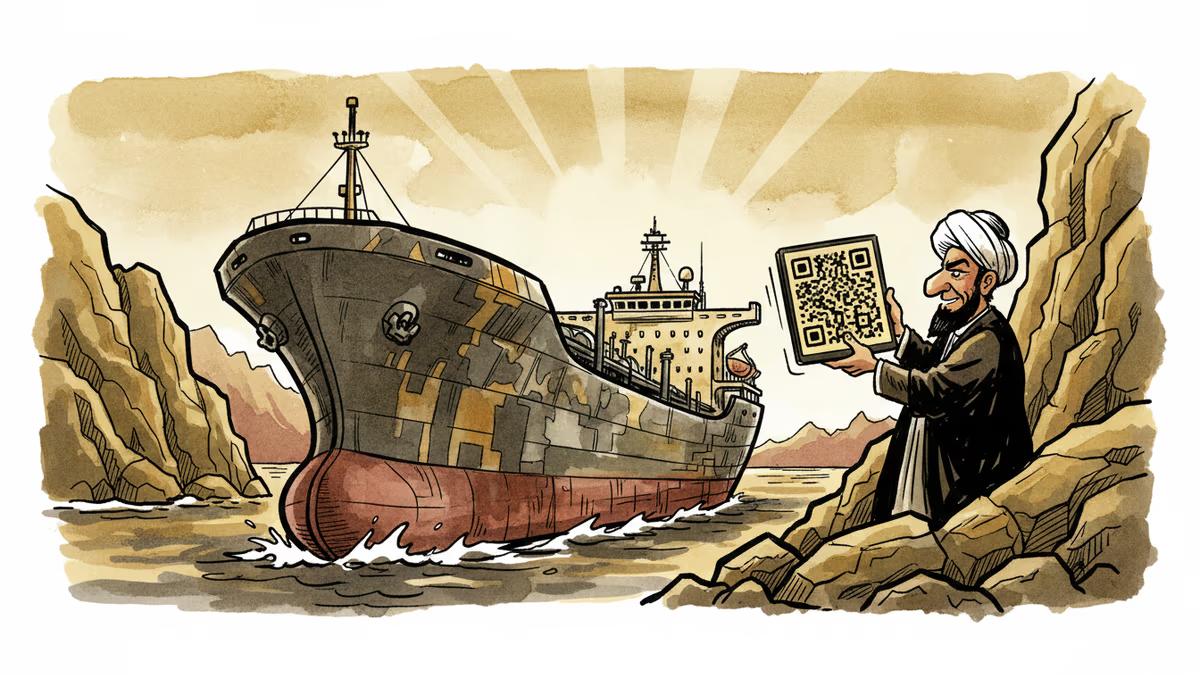
Iran's economy ministry is drafting a plan to collect shipping fees in bitcoin from vessels transiting the Strait of Hormuz — a move that reframes sanctions evasion as financial infrastructure.
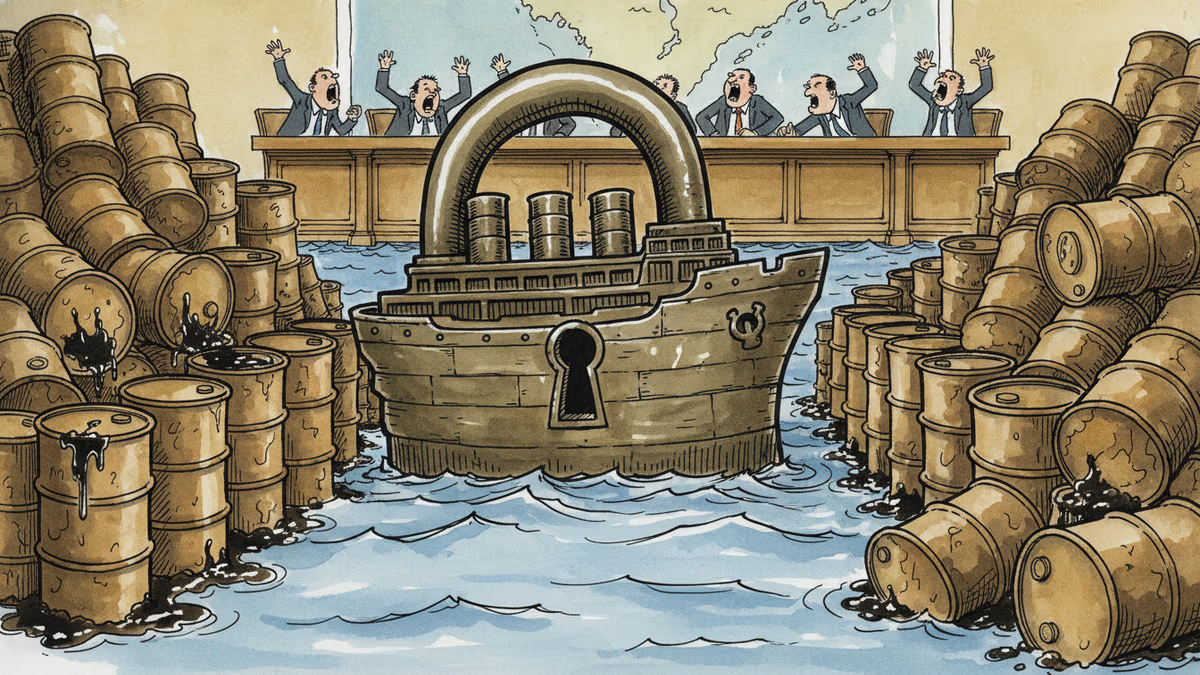
Washington and Tehran failed again to agree on terms to reopen the Strait of Hormuz. With 20% of global seaborne oil at stake, every day of deadlock has a price—and consumers are paying it.
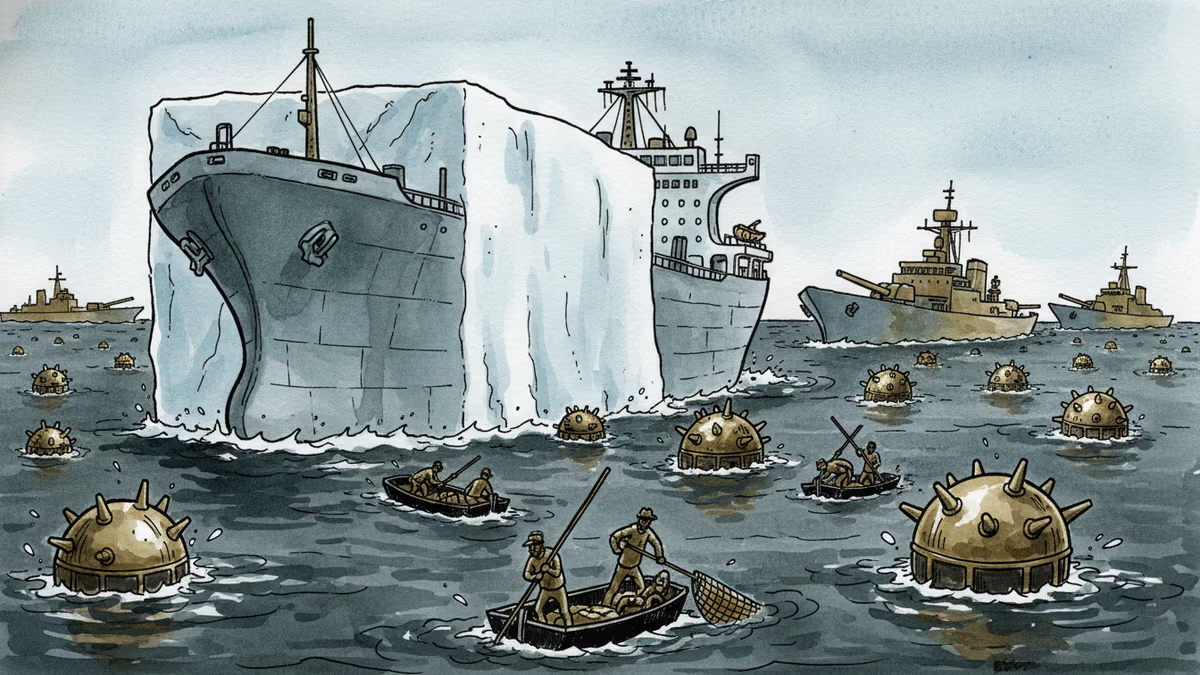
The US Navy says clearing mines from the Gulf waterway will take weeks, with European allies reluctant to help. Here's what that timeline means for oil markets, your wallet, and the future of allied naval cooperation.
The Strait of Hormuz has closed again, sending oil prices sharply higher after recent losses. What this recurring chokepoint means for energy markets, geopolitics, and your portfolio.
Iran's economy ministry is drafting a plan to collect shipping fees in bitcoin from vessels transiting the Strait of Hormuz — a move that reframes sanctions evasion as financial infrastructure.
Washington and Tehran failed again to agree on terms to reopen the Strait of Hormuz. With 20% of global seaborne oil at stake, every day of deadlock has a price—and consumers are paying it.
The US Navy says clearing mines from the Gulf waterway will take weeks, with European allies reluctant to help. Here's what that timeline means for oil markets, your wallet, and the future of allied naval cooperation.
The Strait of Hormuz has closed again, sending oil prices sharply higher after recent losses. What this recurring chokepoint means for energy markets, geopolitics, and your portfolio.
Thoughts
Share your thoughts on this article
Sign in to join the conversation