
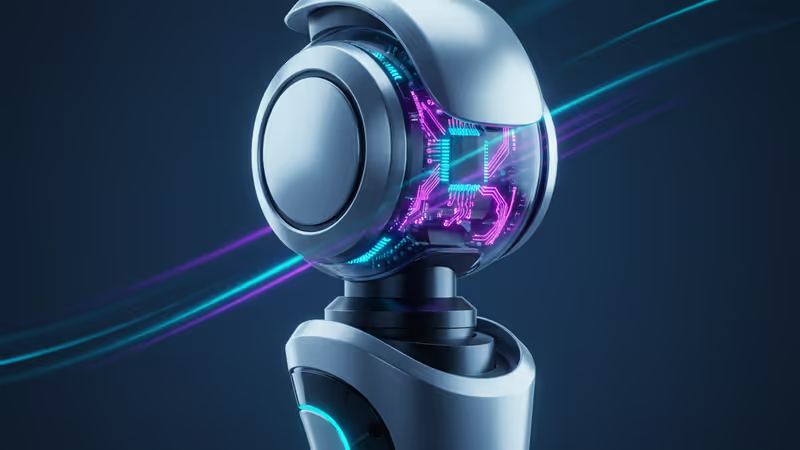
Arm Physical AI Unit Launch 2026: Architecting the Brains for Future Robotics
Arm has launched a 'Physical AI' unit to lead the robotics and automotive revolution. Discover how Arm's new strategy aims to define the hardware standards for 2026 and beyond.
The architect of the mobile world is stepping into the physical realm. Arm has launched a dedicated 'Physical AI' unit, aiming to dominate the rapidly expanding robotics and automotive sectors. According to Reuters, this strategic move aligns with a massive rush by tech giants and automakers to integrate advanced intelligence into hardware that moves.
Strategic Pivot: Why Arm's Physical AI Unit Matters
It's no longer just about processing bits and bytes; it's about navigating the real world. Physical AI involves empowering machines—from humanoid robots to autonomous trucks—to perceive and interact with their surroundings in real-time. Arm's reputation for energy efficiency is their secret weapon as they tackle the power-hungry demands of edge-based AI.

By 2026, the industry expects a surge in specialized robotics hardware. While Nvidia currently rules the data center, Arm aims to be the foundational architecture for the 'bodies' of AI. They aren't just making chips; they're creating the blueprints that will allow robots to think and move without constant cloud connectivity.
Redefining the Future of Autonomous Systems
The implications for the automotive and industrial sectors are massive. Reports suggest that Arm is already in talks with several tier-1 automakers. Their goal is clear: to replicate the success they had with smartphones—where they hold a 99% market share—within the nascent robotics ecosystem. This launch could standardize how physical machines process AI, making development faster and more power-efficient.
Authors
Related Articles

Eclipse Ventures just raised $1.3B to build an ecosystem of physical AI startups across transportation, energy, robotics, and defense. Here's why the strategy matters more than the money.

Arm's first in-house chip, the AGI CPU, breaks a 30-year licensing model. What happens when the company that powers your chip decides to sell one of its own?
NASA's Swift Observatory is falling out of orbit. A $30M commercial robot mission may save it—and rewrite the rules for space infrastructure maintenance.

At Nvidia's GTC 2026, a rambling Olaf robot had its mic cut mid-demo. The real story isn't the glitch — it's the questions the industry keeps avoiding.
Eclipse Ventures just raised $1.3B to build an ecosystem of physical AI startups across transportation, energy, robotics, and defense. Here's why the strategy matters more than the money.
Arm's first in-house chip, the AGI CPU, breaks a 30-year licensing model. What happens when the company that powers your chip decides to sell one of its own?
NASA's Swift Observatory is falling out of orbit. A $30M commercial robot mission may save it—and rewrite the rules for space infrastructure maintenance.
At Nvidia's GTC 2026, a rambling Olaf robot had its mic cut mid-demo. The real story isn't the glitch — it's the questions the industry keeps avoiding.
Thoughts
Share your thoughts on this article
Sign in to join the conversation