
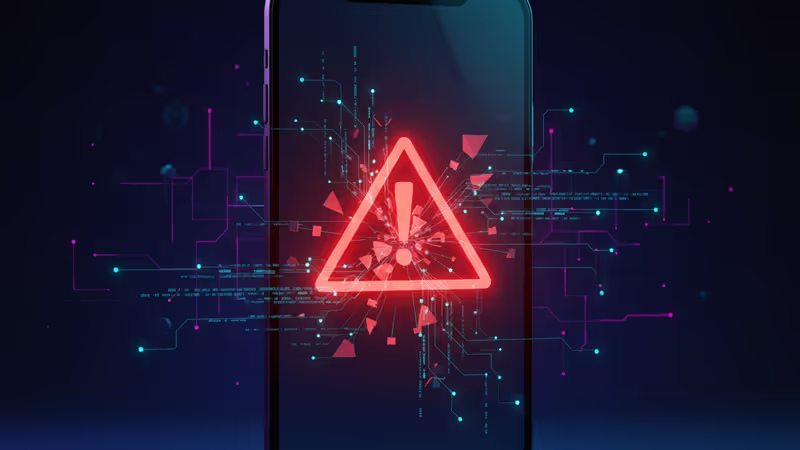
You've Been Targeted: How to React to an Apple Google Mercenary Spyware Alert
Did you receive an Apple or Google spyware warning? Learn how to handle a mercenary spyware alert, enable Lockdown Mode, and find organizations like Citizen Lab for help.
Your phone is being watched by a government hacker. This isn't a movie plot; it's the reality for Jay Gibson and thousands of others who've received chilling notifications from Apple and Google. These tech giants are increasingly proactive in alerting users when they become targets of sophisticated mercenary spyware developed by companies like NSO Group and Intellexa.
The Red Alert: Apple Google Mercenary Spyware Alert Explained
When you receive a warning, take it seriously. Tech companies rely on vast amounts of telemetry data to identify these targeted mercenary spyware attacks. While an alert doesn't always mean your device was successfully breached, it confirms you are on a high-value target list. The goal of modern spyware is a 'smash and grab' strategy: infect, steal everything, and self-destruct to leave no trace.
Immediate Survival Steps for Targeted Users

If you are in the crosshairs, you need to harden your digital perimeter immediately. Apple recommends enabling Lockdown Mode, which significantly restricts device functionality to block attack vectors. Google users should enroll in the Advanced Protection Program and use physical passkeys.
- Turn off your device and switch to a clean, non-work phone for sensitive communication.
- Update all operating systems and applications to the latest versions.
- Regularly restart your phone to clear non-persistent malware from memory.
Where to Turn When Big Tech Steps Away
Big Tech will warn you, but they won't hold your hand. For in-depth forensic investigation, organizations like Citizen Lab and Amnesty International have been hunting spyware for over 15 years. Access Now offers a 24/7 helpline for activists and journalists. Private alternatives like iVerify and Hexordia also provide expert forensic support for those outside civil society.
Authors
Related Articles
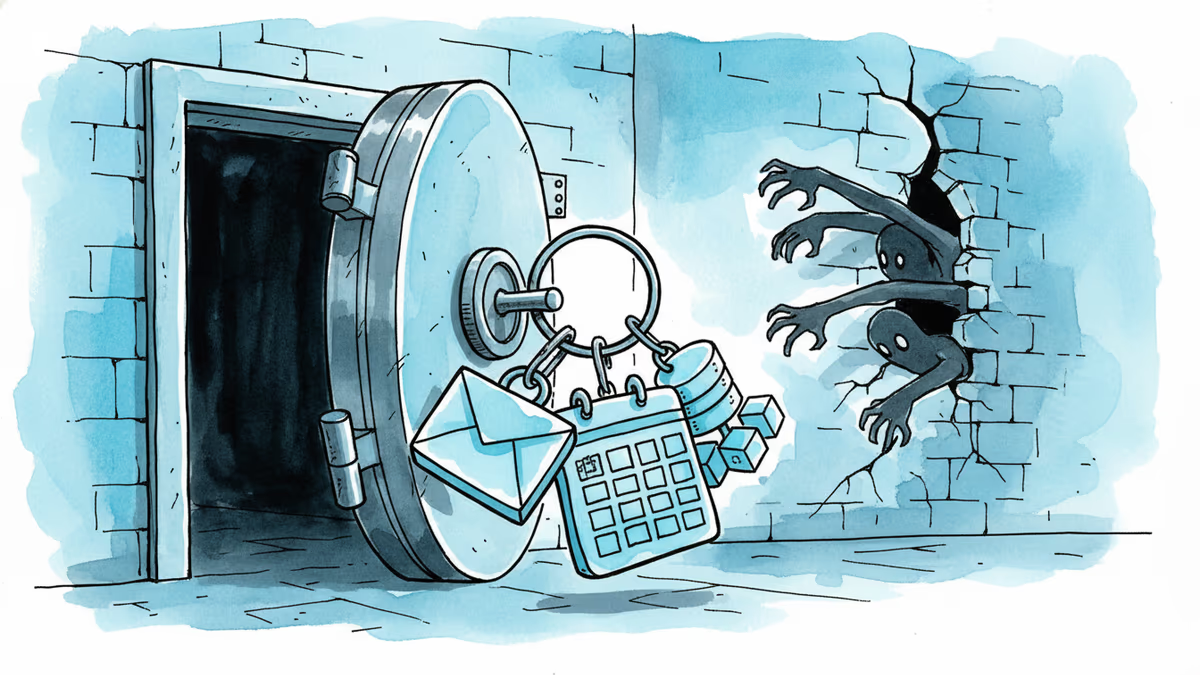
A critical vulnerability in Starlette—downloaded 325 million times per week—puts millions of AI agent servers at risk, exposing stored credentials for email, databases, and third-party services.
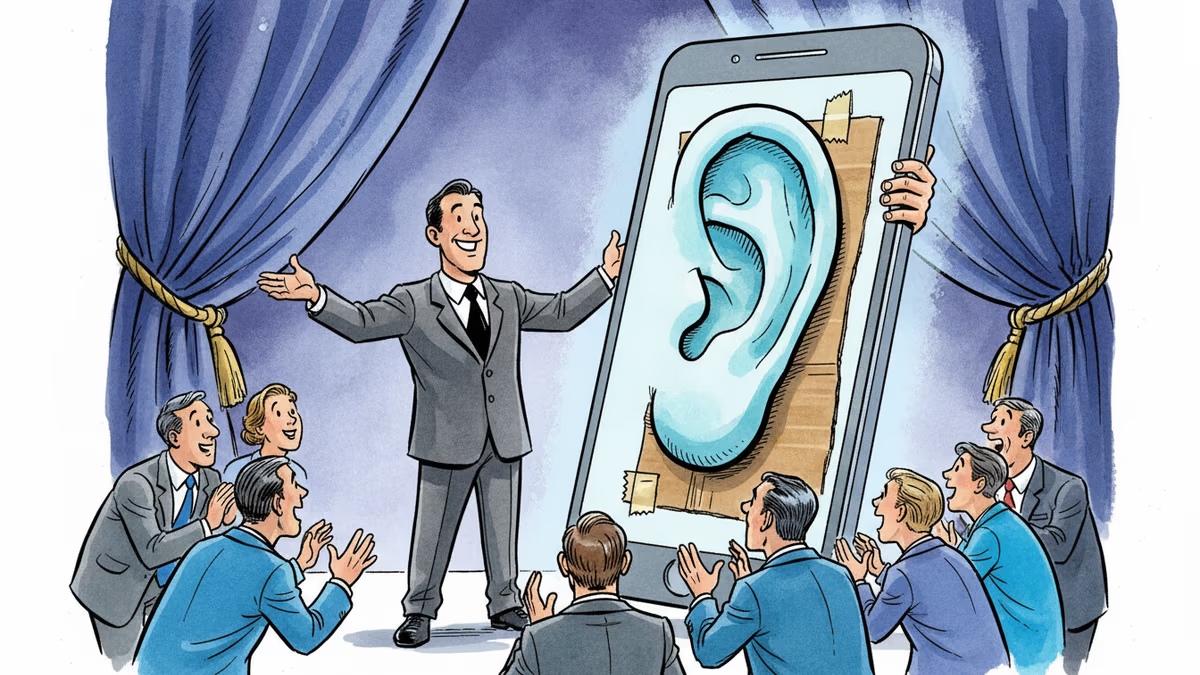
The FTC fined Cox Media and two ad firms $930,000 — not for actually eavesdropping on users, but for falsely claiming they could. The case raises uncomfortable questions about surveillance capitalism.
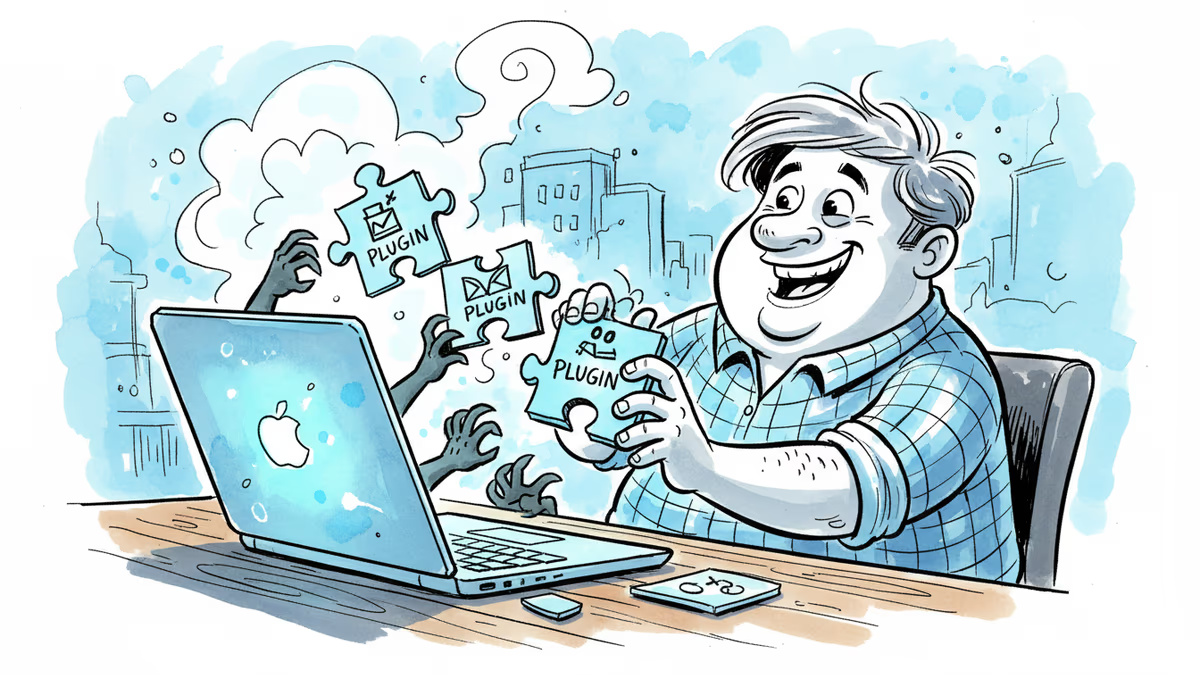
GitHub confirmed hackers stole data from 3,800 internal repositories via a poisoned VS Code extension. Here's why developer tools are now the most dangerous attack surface in tech.
A Utah woman was sentenced to life in prison partly because of her Google searches and deleted texts. The Kouri Richins case reveals how digital footprints have become the courtroom's most reliable witness.
A critical vulnerability in Starlette—downloaded 325 million times per week—puts millions of AI agent servers at risk, exposing stored credentials for email, databases, and third-party services.
The FTC fined Cox Media and two ad firms $930,000 — not for actually eavesdropping on users, but for falsely claiming they could. The case raises uncomfortable questions about surveillance capitalism.
GitHub confirmed hackers stole data from 3,800 internal repositories via a poisoned VS Code extension. Here's why developer tools are now the most dangerous attack surface in tech.
A Utah woman was sentenced to life in prison partly because of her Google searches and deleted texts. The Kouri Richins case reveals how digital footprints have become the courtroom's most reliable witness.
Thoughts
Share your thoughts on this article
Sign in to join the conversation