
中國「熊貓外交」的雙重標準:為何對日法態度迥異?揭其非共產黨起源
中國對法國與日本的熊貓外交政策呈現明顯對比,反映出雙邊關係的溫度。本文深入剖析此現象,並揭示熊貓外交的起源可追溯至1941年的蔣介石,而非中共。
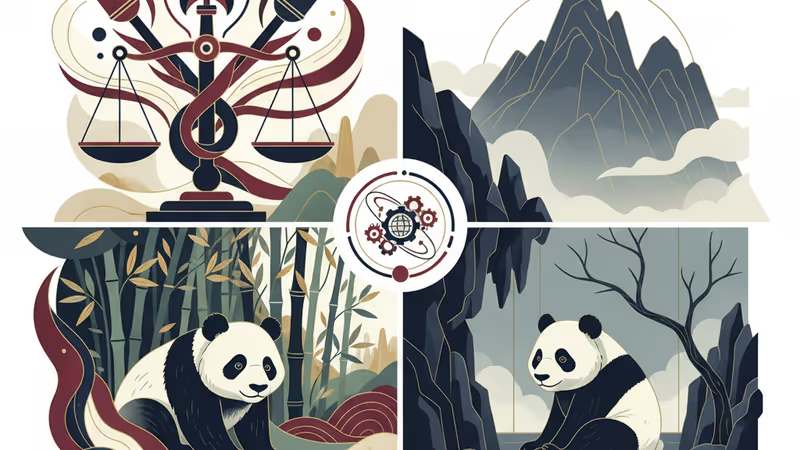
一邊是熱情相擁,一邊是冷淡以對。中國的「熊貓外交」正上演一齣親疏有別的國際大戲。根據《日經》資深編輯委員中澤克二的分析,大熊貓的去留,已成為衡量中國與法國關係回暖、與日本關係惡化的鮮明指標。
軟實力的晴雨表
「熊貓外交」是中國運用其國寶大熊貓作為外交工具,向友好國家出借以示善意的軟實力策略。日經的分析指出,中國與法國的關係正處於修補階段,而與日本的關係則每況愈下,這種溫差直接反映在熊貓的待遇上。這意味著,這些可愛的動物已成為地緣政治角力的重要棋子。
歷史溯源:並非中共首創
儘管外界普遍認為熊貓外交是中國共產黨的創舉,但歷史事實並非如此。該分析揭示,此一策略的鼻祖實為蔣介石。早在1941年,他便曾運用大熊貓作為禮物,意圖爭取美國公眾的支持。這段鮮為人知的歷史,凸顯了熊貓在中國外交舞台上源遠流長的政治角色。
This content is AI-generated based on source articles. While we strive for accuracy, errors may occur. We recommend verifying with the original source.
Related Articles
President Lee Jae-myung's backing of the Unification Ministry's role in North Korea policy is fueling a conflict between 'self-reliance' and 'pro-alliance' factions within Seoul, with major implications for the U.S. alliance amid growing U.S.-China tensions.

In 2025, at least seven top scientists and mathematicians left Western institutions for China. We analyze this new front in the talent wars amid the US-China tech rivalry.

In a historic first, families of Korean WWII conscripts have filed a lawsuit in a Seoul court against Japan and the Yasukuni Shrine, seeking removal of names and $593,700 in damages over historical grievances.
The latest Trump administration National Security Strategy reframes the U.S.-China relationship as an economic rivalry, not a new Cold War. Deep economic interdependence and domestic political constraints on both sides prevent a full-scale decoupling.
President Lee Jae-myung's backing of the Unification Ministry's role in North Korea policy is fueling a conflict between 'self-reliance' and 'pro-alliance' factions within Seoul, with major implications for the U.S. alliance amid growing U.S.-China tensions.
In 2025, at least seven top scientists and mathematicians left Western institutions for China. We analyze this new front in the talent wars amid the US-China tech rivalry.
In a historic first, families of Korean WWII conscripts have filed a lawsuit in a Seoul court against Japan and the Yasukuni Shrine, seeking removal of names and $593,700 in damages over historical grievances.
The latest Trump administration National Security Strategy reframes the U.S.-China relationship as an economic rivalry, not a new Cold War. Deep economic interdependence and domestic political constraints on both sides prevent a full-scale decoupling.