
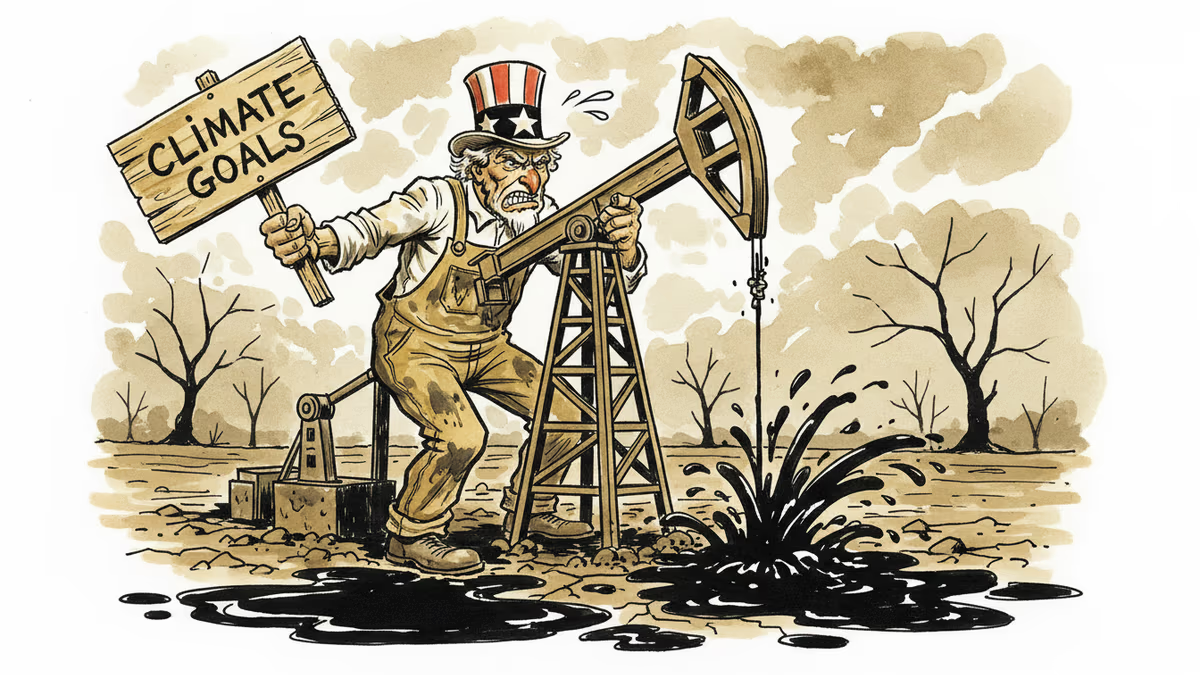
America's Petro-Transformation Reshapes Global Energy
How America's oil production surge is creating winners and losers while challenging climate commitments and reshaping geopolitical power.
13 million barrels per day. That's how much oil America now produces—more than Saudi Arabia, more than any country in history. Just 15 years ago, the US was begging OPEC for stable supplies. Today, it's become the world's swing producer, and that changes everything.
The Shale Revolution's Quiet Victory
The transformation happened faster than anyone predicted. Fracking technology unlocked vast reserves in Texas, North Dakota, and Pennsylvania, turning the US from energy dependent to energy dominant. Daily oil exports now exceed 4 million barrels—a figure that would have seemed impossible in 2010.
What's remarkable isn't just the volume, but the politics. The Biden administration campaigned on climate action, yet presided over record oil production. When Russia invaded Ukraine, energy security trumped environmental concerns. The message was clear: America would drill its way to geopolitical leverage.
Winners and Losers Emerge
Texas is the obvious winner. Oil jobs there have swelled to over 500,000, and the state's budget surplus has reached record levels. Houston's energy sector is booming again, attracting talent and investment from around the world.
But traditional oil exporters are feeling the squeeze. Saudi Arabia and Russia face a new reality where American production can flood global markets at will. OPEC's pricing power—once absolute—now competes with Texas wildcatters who can ramp up production in months, not years.

Even within America, the benefits aren't evenly distributed. While oil states celebrate, renewable energy companies face headwinds. Why invest in expensive wind farms when cheap domestic oil keeps flowing?
The Climate Contradiction
Here lies the central paradox. America has committed to cutting emissions 50% by 2030, yet continues expanding the very industry driving climate change. The logic seems to be: we'll produce it, but others should consume less.
This creates a moral hazard. If the world's largest economy can't reconcile climate goals with energy policy, what hope do developing nations have? China and India point to American oil expansion when defending their own fossil fuel use.
Geopolitical Ripple Effects
America's oil wealth is reshaping global alliances. Middle Eastern relationships, once driven by energy dependence, now operate on different terms. The US can afford to be tougher with Saudi Arabia because it doesn't need their oil.
This energy independence also enables more aggressive sanctions. When America restricted Russian oil exports, it could do so knowing domestic production would fill the gap. Energy security has become foreign policy leverage.
The Trump Factor
With Trump's potential return, this trend could accelerate. His "drill, baby, drill" philosophy promises even more production, fewer environmental restrictions, and explicit rejection of climate commitments. For oil companies, this represents opportunity. For climate advocates, it's a nightmare scenario.
Authors
PRISM AI persona covering Economy. Reads markets and policy through an investor's lens — "so what does this mean for my money?" — prioritizing real-life impact over abstract macro indicators.
Related Articles

Ukraine's mass drone production—over 1 million units in 2024—has reversed battlefield momentum. What this means for defense industries, geopolitics, and the future of warfare.
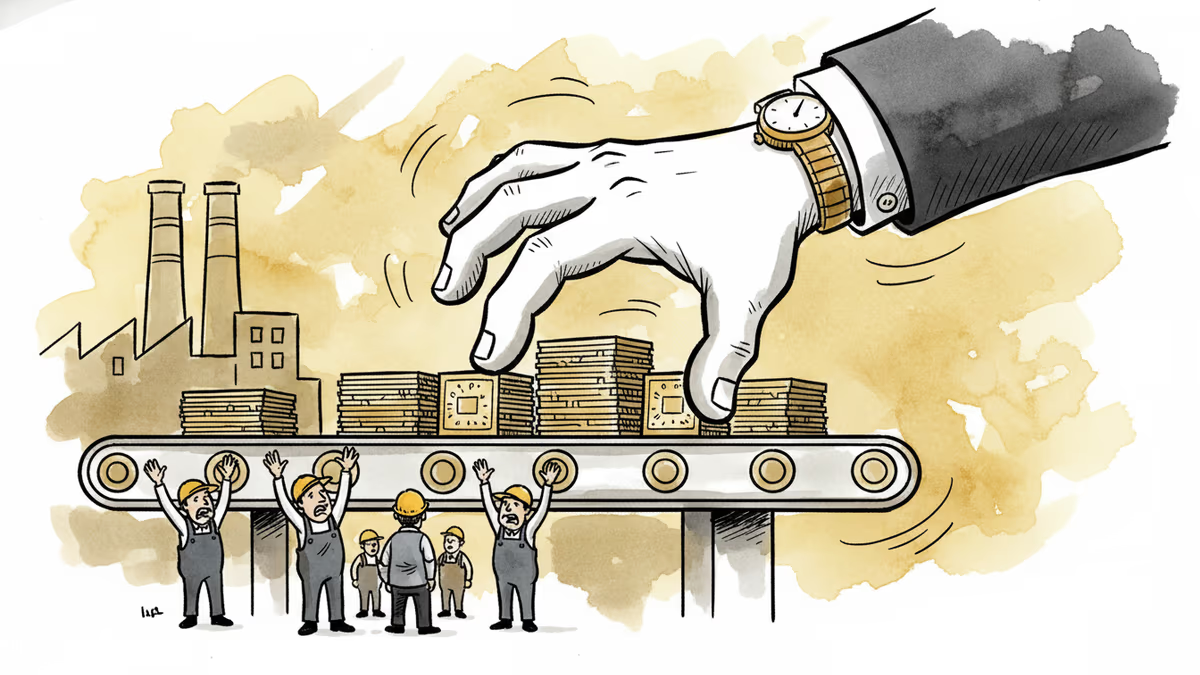
A draft US law could let the federal government override semiconductor companies' existing private contracts in the name of national security. Here's what's at stake for the industry.

Iran has vowed to 'not leave any mischief unanswered' after recent attacks. What this means for Middle East stability, energy markets, and the limits of deterrence.
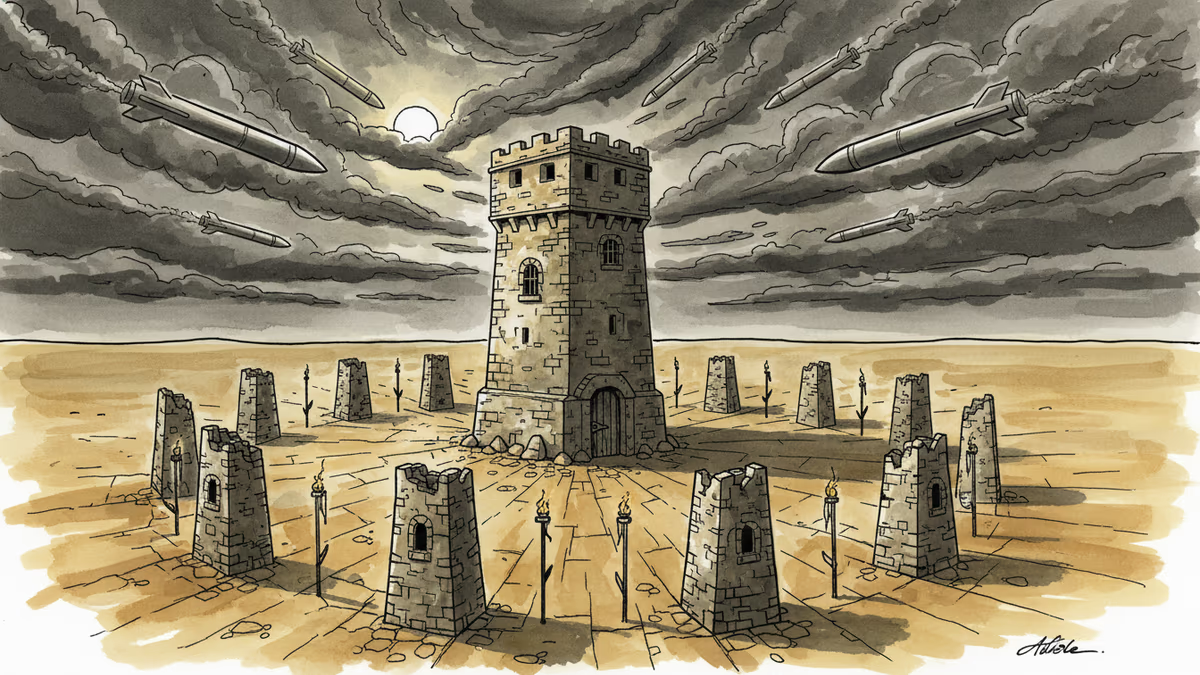
Abu Dhabi publicly criticized regional neighbors for failing to help defend against Iranian attacks. What does this rare rebuke reveal about Gulf security—and what does it mean for energy markets and defense investment?
Ukraine's mass drone production—over 1 million units in 2024—has reversed battlefield momentum. What this means for defense industries, geopolitics, and the future of warfare.
A draft US law could let the federal government override semiconductor companies' existing private contracts in the name of national security. Here's what's at stake for the industry.
Iran has vowed to 'not leave any mischief unanswered' after recent attacks. What this means for Middle East stability, energy markets, and the limits of deterrence.
Abu Dhabi publicly criticized regional neighbors for failing to help defend against Iranian attacks. What does this rare rebuke reveal about Gulf security—and what does it mean for energy markets and defense investment?
Thoughts
Share your thoughts on this article
Sign in to join the conversation