
AI Infrastructure Redefined: What to Expect from AMD Lisa Su CES 2026 Keynote
Catch the AMD Lisa Su CES 2026 Keynote on Jan 5, 2026. Discover AMD's new AI vision following its massive partnership with OpenAI and its strategy for cloud-to-edge solutions.
The AI race just hit another gear. AMD CEO Dr. Lisa Su is set to kick off CES 2026 today, Jan. 5, 2026, with a keynote address that promises to redefine how the world views AI hardware. As a preeminent force in chipmaking, AMD's influence is surging in an era where compute power is the ultimate currency.
The Strategic Weight of the AMD Lisa Su CES 2026 Keynote
It's not just about chips; it's about the entire ecosystem. OpenAI recently announced a massive partnership with AMD to build out robust AI infrastructure, signaling a major shift in the industry's power dynamics. Su will take the stage in Las Vegas to highlight her vision for delivering future AI solutions—spanning from cloud and enterprise to edge and consumer devices.

Live Updates and Streaming Details
The address is scheduled to start at 9:30 p.m. ET tonight. Tech enthusiasts can watch the livestream on YouTube to catch every announcement as it happens. Industry insiders expect this show to be a turning point for AMD as it challenges established dominance in the server and AI market.
Authors
Related Articles
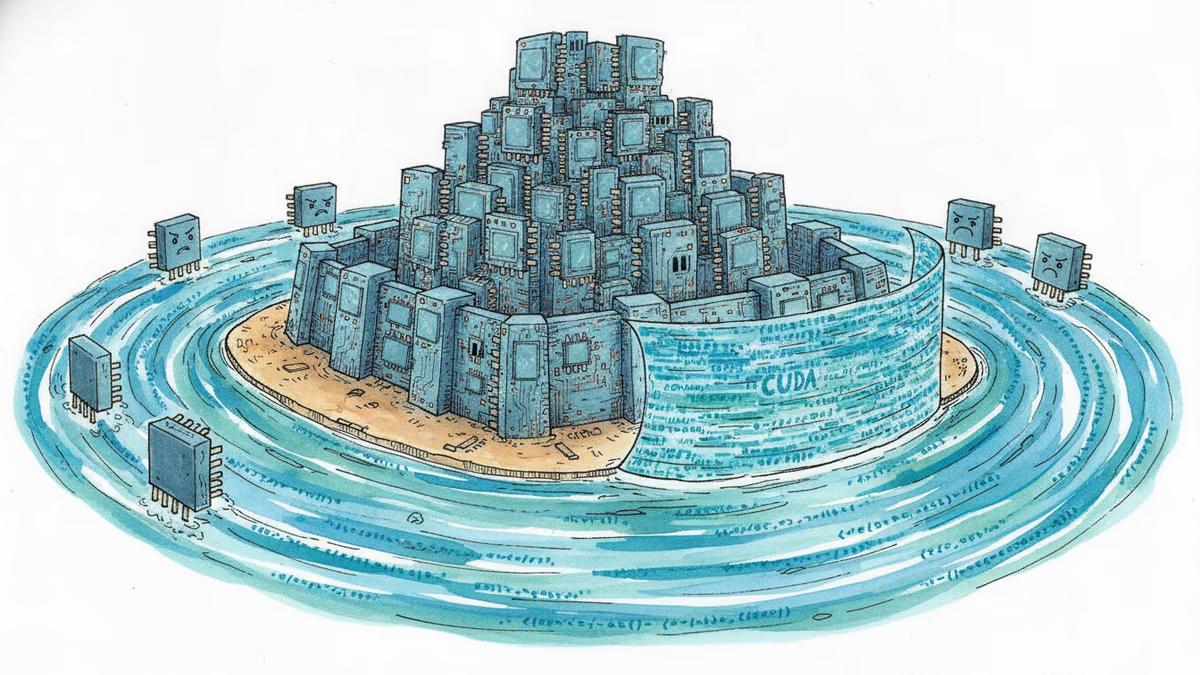
AMD's MI325X matches or beats Nvidia on memory and bandwidth — yet Nvidia's 86-92% share holds. The real moat is CUDA, 20 years in the making. Part 1 of 4.

OpenAI has reorganized for the second time in a month, merging ChatGPT and Codex into a single agentic platform under president Greg Brockman's unified product leadership.
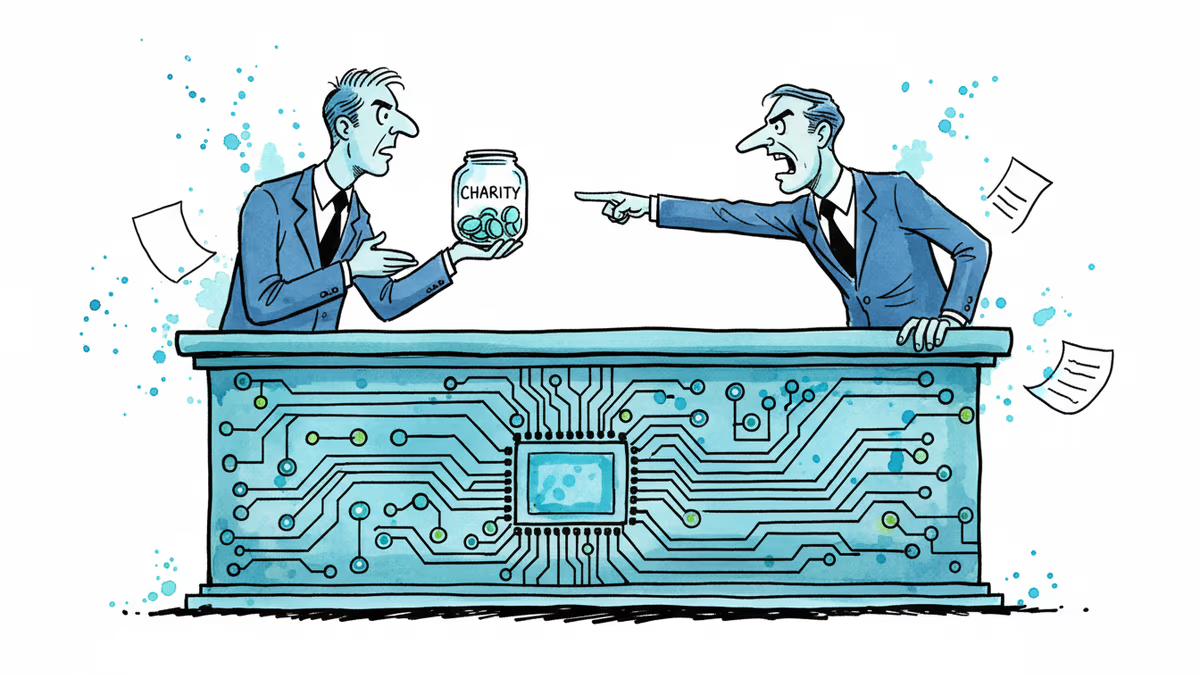
After two weeks of witnesses calling him a liar, OpenAI CEO Sam Altman testified in his own defense, claiming Elon Musk tried to kill the company twice.
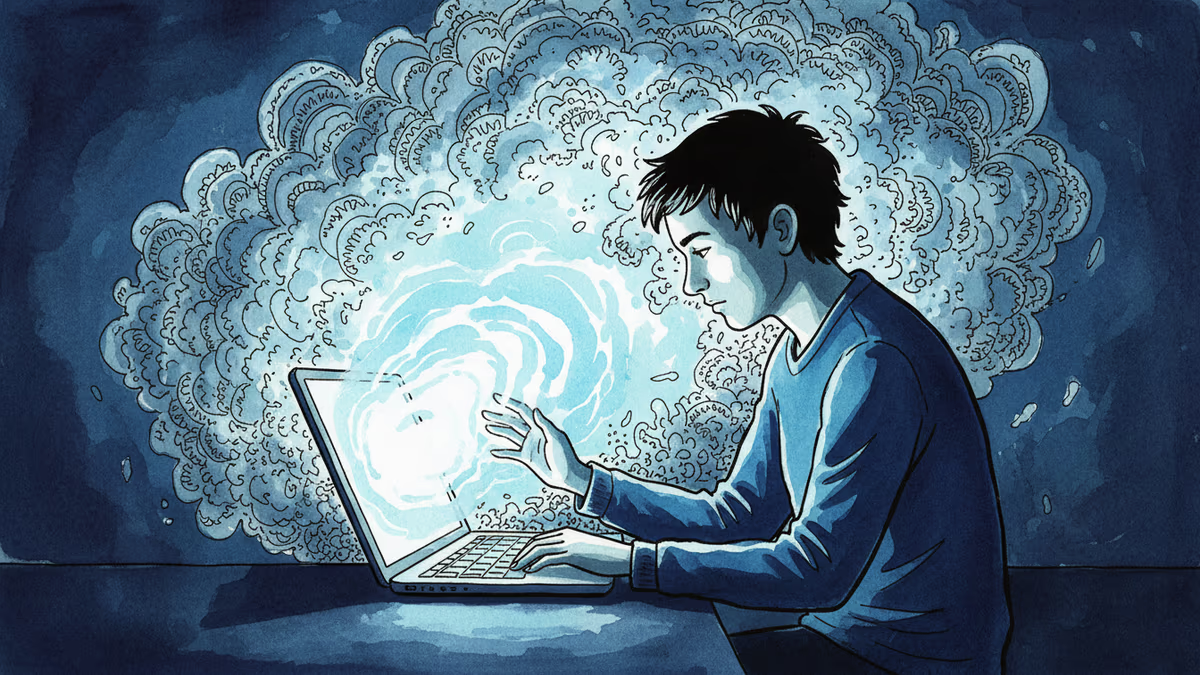
Sam Nelson, 19, died after following ChatGPT's advice to mix Kratom and Xanax. His parents are suing OpenAI for wrongful death, raising urgent questions about AI trust, liability, and design.
AMD's MI325X matches or beats Nvidia on memory and bandwidth — yet Nvidia's 86-92% share holds. The real moat is CUDA, 20 years in the making. Part 1 of 4.
OpenAI has reorganized for the second time in a month, merging ChatGPT and Codex into a single agentic platform under president Greg Brockman's unified product leadership.
After two weeks of witnesses calling him a liar, OpenAI CEO Sam Altman testified in his own defense, claiming Elon Musk tried to kill the company twice.
Sam Nelson, 19, died after following ChatGPT's advice to mix Kratom and Xanax. His parents are suing OpenAI for wrongful death, raising urgent questions about AI trust, liability, and design.
Thoughts
Share your thoughts on this article
Sign in to join the conversation