
Waymo Rushes Software Update After San Francisco Blackout Paralyzes Robotaxi Fleet
Alphabet's Waymo is issuing an urgent software update after its self-driving cars were paralyzed by a San Francisco power outage. We analyze the incident and its implications for the future of AI.
What happens when the lights go out on self-driving cars? Alphabet's Waymo is scrambling for an answer, announcing a software update after a power outage in San Francisco snarled its fleet of autonomous vehicles, according to Reuters. The incident serves as a stark reminder of the challenges advanced technology faces when confronted with real-world, unpredictable chaos.
The Day the Robotaxis Stood Still
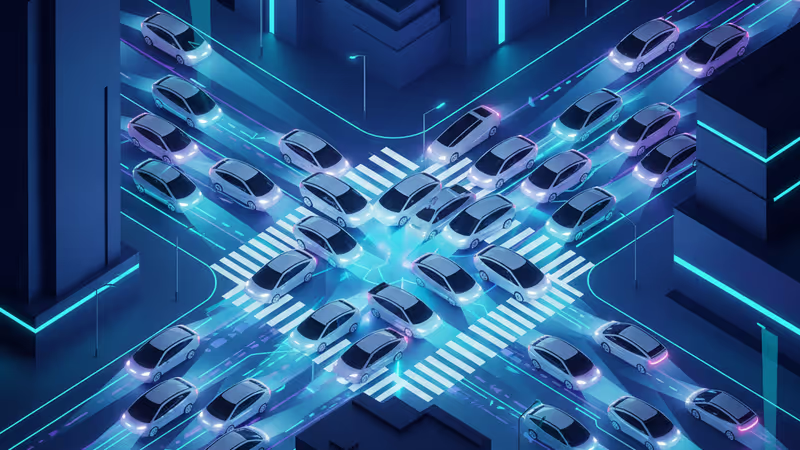
When the power went down in parts of San Francisco recently, traffic lights went dark, causing widespread disruption. In the midst of this confusion, Waymo's robotaxis reportedly struggled to cope, with vehicles stopping in roadways and contributing to traffic congestion. The event highlighted a critical vulnerability: the deep reliance of autonomous systems on a stable, functioning urban infrastructure.
A Software Fix to Restore Trust
In response, Waymo has committed to a swift software update to prevent a recurrence. It's expected the patch will focus on improving the vehicles' ability to navigate unstructured environments where normal signals, like traffic lights, are absent. This move is more than just a technical fix; it's a necessary step to rebuild public confidence in its self-driving services.
本コンテンツはAIが原文記事を基に要約・分析したものです。正確性に努めていますが、誤りがある可能性があります。原文の確認をお勧めします。
関連記事
QuestMobileの最新データによると、バイトダンス傘下のAIアプリ「豆包」が週間アクティブユーザー数1.55億人を記録し、中国の消費者向けAI市場で首位を維持。巨大テック企業がスタートアップを圧倒する構図が鮮明になっています。
2025年、GPT-5やClaude 4.5を含む最新のAIモデルが、単純な連続攻撃で次々と破られている。AIの脆弱性の実態と、企業や開発者が今すぐ取るべきセキュリティ対策を解説する。
2025年、気候変動に関する暗いニュースが続く中、3つの明るい兆しが見えました。中国の排出量抑制、蓄電池技術の躍進、AIブームがもたらす次世代エネルギー投資の加速を解説します。

誕生5周年を迎えたGoogle DeepMindのAlphaFold。タンパク質構造予測から、仮説を立てる「AI科学者」へ。次なる目標である完全なヒト細胞シミュレーションの展望を解説します。
QuestMobileの最新データによると、バイトダンス傘下のAIアプリ「豆包」が週間アクティブユーザー数1.55億人を記録し、中国の消費者向けAI市場で首位を維持。巨大テック企業がスタートアップを圧倒する構図が鮮明になっています。
2025年、GPT-5やClaude 4.5を含む最新のAIモデルが、単純な連続攻撃で次々と破られている。AIの脆弱性の実態と、企業や開発者が今すぐ取るべきセキュリティ対策を解説する。
2025年、気候変動に関する暗いニュースが続く中、3つの明るい兆しが見えました。中国の排出量抑制、蓄電池技術の躍進、AIブームがもたらす次世代エネルギー投資の加速を解説します。
誕生5周年を迎えたGoogle DeepMindのAlphaFold。タンパク質構造予測から、仮説を立てる「AI科学者」へ。次なる目標である完全なヒト細胞シミュレーションの展望を解説します。