
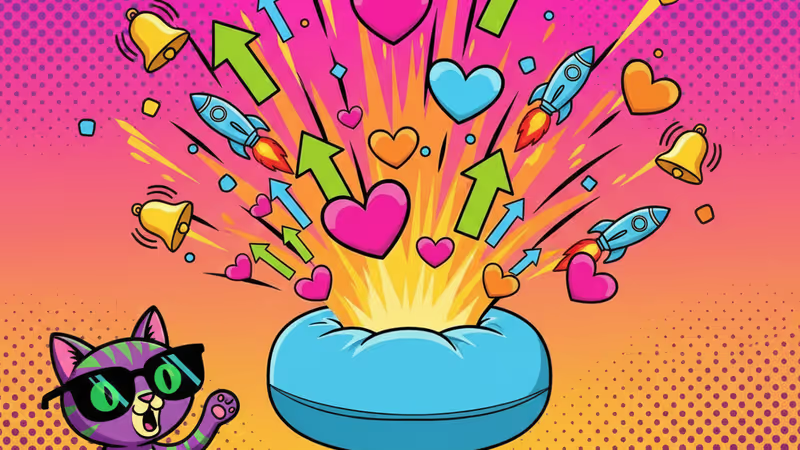
The 'Swift Effect': How a Single Pillow Accidentally Triggered a Viral Marketing Case Study
A pillow in Taylor Swift's dressing room went viral. We analyze the 'Swift Effect' and why this accidental endorsement is a masterclass in modern marketing.
A Masterclass in Modern Influence
One glimpse of a pillow in Taylor Swift's dressing room sent the internet into a frenzy, causing a niche sleep brand to go viral overnight. This isn't just about celebrity influence; it's a powerful lesson in the 'Swift-conomy,' authentic marketing, and how fan culture now moves markets faster than any ad campaign.
The Story: How a Pillow Became an Icon
During a December 10th appearance on The Late Show with Stephen Colbert, eagle-eyed fans spotted a distinctively shaped pillow in Taylor Swift's green room. It wasn't a product placement or a sponsored segment—it was simply an object in the background. But in the world of Swifties, nothing is 'just an object'.
Within hours, the internet's most effective detectives identified it as the Coop Sleep Goods' Original Adjustable Pillow. The brand, likely waking up to a tsunami of web traffic, astutely leaned into the moment. They didn't claim an official endorsement; they simply launched a flash sale with a cheeky discount code: TAYLOR22. The result? A viral phenomenon and a masterclass in reactive marketing.
The Internet Reacts: A Symphony of Fandom and Commerce
The online reaction was swift, hilarious, and perfectly illustrative of modern fan culture. It wasn't just 'I want that pillow'; it was a multi-layered conversation about fandom, economics, and personal well-being.
The Swiftie Detectives
The speed at which the pillow was identified was a spectacle in itself. As one user on X (formerly Twitter) noted, "The Swifties' ability to identify a single pillow from a grainy, 2-second clip should be studied by the CIA. There is no intelligence agency more powerful." This highlights a key aspect of stan culture: the collective, gamified joy of discovery.
The Immediate Purchase Impulse
For many, the logic was simple: if it supports the head of a global icon, it's good enough for them. A viral TikTok perfectly captured the sentiment: "My neck hurts, Taylor Swift's neck probably doesn't. I'm buying the pillow. It's called self-care, look it up." This reaction demonstrates the immense trust and aspirational connection fans feel, translating directly into consumer action.
The Economic Analysts
Beyond the simple desire to own the product, a broader conversation about the 'Swift Effect' or 'Swift-onomics' emerged. Financial and culture commentators pointed out the sheer economic power Swift wields, often unintentionally. "Taylor Swift can boost the GDP of a major city just by touring there," one analyst commented. "And now she can sell out a pillow company's inventory without saying a single word. This is the new economy."
The Brand Marketer's Envy
Marketing professionals watched in awe, with many expressing a mix of jealousy and admiration for Coop Sleep Goods. A popular LinkedIn post from a marketing director read: "We spend millions on influencer campaigns for a 2% conversion rate. Coop just won the entire 2024 marketing lottery for free. The key lesson: make a product good enough to end up in the right room, accidentally."
Cultural Context: Why We Care About a Celebrity's Pillow
This event resonates so deeply because it sits at the intersection of several powerful cultural trends. Firstly, the power of parasocial relationships—the one-sided connection fans feel with celebrities—has never been stronger. Owning a product Swift uses, however mundane, offers a tangible link to a person they admire.
Secondly, it's a testament to the search for authenticity. In an age saturated with #sponcon and #ad, an un-sponsored, organic product sighting feels like a genuine recommendation. It bypasses our built-in cynicism towards advertising, making it infinitely more powerful. This wasn't an ad; it was a discovery, and that makes all the difference.
PRISM Insight: The Accidental Endorsement Paradox
The core lesson here is what we at PRISM call the 'Accidental Endorsement Paradox': the less intentional a product recommendation appears, the more valuable it becomes.
This incident is a perfect storm of modern commerce. It combines a highly engaged, digitally native fanbase with a brand that was agile enough to capitalize on a lucky break. Coop's genius wasn't just having a good product; it was their response. The 'TAYLOR22' code was a brilliant nod to the fans, acknowledging the source of their newfound fame without overstepping or claiming an official relationship. It respected the fan-led nature of the discovery.
For businesses, the takeaway is twofold. First, product excellence is the ultimate marketing. A product good enough to be used by discerning, high-performing individuals is your best asset. Second, in the attention economy, agility and cultural literacy are paramount. Understanding the 'why' behind a viral moment and responding authentically is the new playbook for brand relevance.
Ultimately, the story of Taylor Swift's pillow isn't about sleep quality. It’s about how value, trust, and influence are created in the digital age—not in a boardroom, but in the fleeting background of a video clip, amplified by the most powerful force in modern culture: the fans.
関連記事
あるアーティストの些細な発言が、なぜNewJeansを巻き込む国際的な論争に発展したのか。海外の反応と文化的背景を専門家が徹底分析します。
「応答せよ1988」10周年記念OSTが世界で話題に。キャスト再集結がなぜファンの心を掴むのか、海外の反応と文化的意義をPRISMが徹底分析。
CS2内でHalo 3を再現したMOD『Project Misriah』がMicrosoftにより削除。ファンの情熱と企業のIP保護が衝突した背景、海外の反応、そしてMOD文化の未来を深掘り分析。
EXOベクヒョンの噂が世界中のファンを二分。この騒動の背景にあるK-POPファンダムの力学と、海外の多様な反応をPRISMが徹底分析します。