
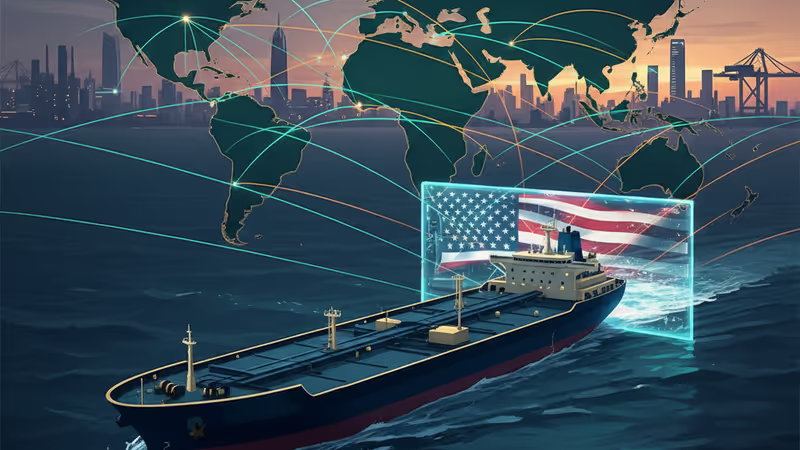
Iran Oil Exports Hit 7-Year High as China Defies U.S. Sanctions
Iran's crude oil exports have climbed 5% in 2025 to a 7-year high, driven by massive purchases from China that defy U.S. sanctions. What does this mean for oil prices and geopolitics?
Iran's crude oil exports have surged to their highest level in seven years, demonstrating the limits of U.S. pressure as China continues to purchase heavily discounted oil from the Islamic republic. This defiant trade is reshaping energy flows and testing Washington's ability to enforce its economic sanctions.
According to industry estimates, Iranian crude exports have climbed by 5% in 2025, reaching a peak not seen since the U.S. reimposed sanctions in 2018. The resilience of Tehran's oil trade is almost entirely thanks to one major buyer: China. While most nations avoid Iranian crude for fear of U.S. retaliation, Beijing has prioritized its energy security and strategic partnership with Tehran.
Why this matters: The steady flow of sanctioned Iranian oil acts as a shadow supply in the global market. It creates a ceiling for oil prices, potentially offsetting production cuts by OPEC+ and keeping a lid on global inflation. For consumers, it means slightly lower pressure at the pump, but for policymakers, it signals a major geopolitical shift.
This trade is largely conducted through a clandestine network of 'dark fleet' tankers that turn off their transponders to avoid detection. This cat-and-mouse game on the high seas highlights the growing sophistication of sanctions evasion techniques, backed by a superpower.
本コンテンツはAIが原文記事を基に要約・分析したものです。正確性に努めていますが、誤りがある可能性があります。原文の確認をお勧めします。
関連記事

インドネシア最大のイスラム銀行BSIが、金取引サービスを強化し、一般銀行からの顧客転換を狙っています。アンゴロ・エコ・チャヒョ頭取が語る、イスラム金融の成長を牽引する新戦略とは。
韓国のディスカウント大手ダイソーが、中国発EC「Temu」の猛攻に対し、大型実店舗の拡充と物流投資で対抗。低価格商品と「店舗体験」を武器に、インフレ下の消費者を惹きつける戦略を解説します。

サントリー傘下のジムビームが、関税の影響による輸出減速を受け、2026年の生産を1年間停止すると発表。地政学リスクが世界的ブランドのサプライチェーンに与える影響を解説します。

AIへの巨額投資を背景に、2025年のテクノロジー企業による社債発行額が過去最高の8,500億ドルに達した。投資競争の背景と市場への影響を解説。