
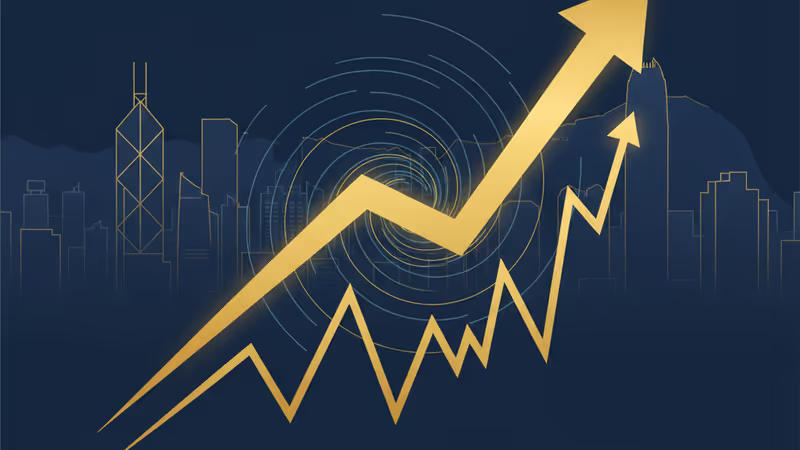
Hong Kong Scraps Typhoon Trading Halts: A Bull Signal or a Desperate Gamble?
Hong Kong scraps its typhoon trading halt rule. PRISM provides actionable analysis on whether this is a true catalyst for investors or just a cosmetic fix.
The Lede: Hong Kong Keeps the Lights On
Hong Kong Exchanges and Clearing (HKEX) has announced it will scrap its long-standing policy of halting market trading during severe weather, effective September 23. The move is a decisive, if not overdue, attempt to bolster the city's flagging reputation as a global financial center and align it with rivals like New York and London, which trade through blizzards and storms. While the decision removes a significant operational headache for global investors, it comes as the Hang Seng Index faces deep-seated headwinds, raising a critical question: is this a genuine catalyst for a market revival or merely a cosmetic fix for a much deeper problem?
Key Numbers to Watch
- September 23, 2024: The official start date for all-weather trading in Hong Kong's securities and derivatives markets.
- ~11 times: The number of times the market has been shut due to typhoons since 2018, causing significant disruption for international funds.
- -13.8%: The performance of the Hang Seng Index in 2023, highlighting the severe market pressure driving these policy changes.
The Analysis: Beyond the Weather Report
Aligning with Global Giants, But Is It Enough?
The policy of shutting down one of the world's busiest equity markets for a typhoon has long been seen by international institutions as an anachronism. Competitors like the NYSE and LSE have robust systems that allow continuous electronic trading, even when physical trading floors are inaccessible. The previous closures in Hong Kong, most recently during Typhoon Koinu in October 2023, created significant tracking errors for ETFs and index funds benchmarked to the Hang Seng, a frustration that global fund managers have loudly voiced. By eliminating this self-imposed barrier, Hong Kong is removing a key argument against its reliability. However, analysts are quick to point out that reliability is only one piece of the puzzle. The core issues dampening investor appetite—geopolitical tensions and China's sputtering economy—remain unaffected by the new rule.
The Contrarian View: The Street's Hidden Risks
While large, international banks with sophisticated remote-work infrastructure have applauded the move, the sentiment among smaller, local brokerages is far more cautious. They raise legitimate concerns about staff safety and operational integrity during a Typhoon Signal 8 or higher. The real contrarian risk here is not the policy itself, but its execution. A major storm could stress-test the remote capabilities of hundreds of smaller market participants simultaneously. Any significant failures in connectivity, settlement, or staffing could lead to pockets of illiquidity or trading errors, introducing a new, unforeseen type of operational risk. The market may be officially open, but its functional depth could be severely tested.
PRISM Insight: Investment Strategy & Portfolio Implications
For sophisticated investors, this policy change should be viewed through two distinct lenses: market infrastructure and fundamental value.
- Infrastructure Upgrade (A Marginal Positive): The move undeniably improves the market's plumbing. It reduces the 'operational risk' premium that might have been priced into Hong Kong assets. For asset allocators and managers of global portfolios, especially those running systematic or index-tracking strategies, this is a clear win. It eliminates unpredictable trading gaps, thereby lowering tracking error and improving the efficiency of hedging strategies. In short, it makes Hong Kong a structurally sounder market to transact in.
- Fundamental Value (The Core Problem): This is where the optimism should be tempered. The all-weather trading rule does nothing to alter the fundamental drivers of the Hang Seng's performance. The market remains a proxy for the health of the Chinese economy, which is grappling with a deep property crisis, deflationary pressures, and a crisis of confidence. This rule change is a micro-level fix for a macro-level problem. It's like upgrading the tires on a car that has engine trouble; the ride might be slightly smoother, but it doesn't fix the underlying lack of power.
The real catalysts to watch remain unchanged: any meaningful stimulus or structural reform from Beijing, a stabilization of the property sector, or a de-escalation in US-China tech and trade tensions. Those are the signals that will drive a sustainable rally, not the ability to trade through a typhoon.
The Bottom Line: A Necessary Step, Not a Game-Changer
Hong Kong's decision to end weather-related trading halts is a necessary and logical step toward modernization. It removes a key point of friction for global capital and demonstrates a commitment to maintaining its status as a world-class financial hub. Investors should welcome the reduced operational risk. However, they must not mistake this for a fundamental bull signal. The core investment thesis for Hong Kong remains inextricably tied to the macroeconomic and geopolitical landscape of China. Acknowledge this as a positive structural improvement, but keep your focus firmly on the fundamental economic data and policy signals from Beijing before adjusting your portfolio allocation.
関連記事

FRBが利上げ打ち止めを示唆。高金利が続く「金利高原」時代に投資家が取るべき新戦略とは?ポートフォリオや業界別の影響を専門家が徹底解説します。

ビットコインとイーサリアムが株式市場と連動し下落。AIバブル懸念と米雇用統計への警戒が強まる中、投資家が知るべき市場の深層と今後の展望を専門家が分析します。
米国雇用統計の発表を控え、ビットコインは正念場を迎える。機関投資家の資金流出とマクロ経済の不透明感の中、投資家が取るべき戦略を専門的に分析します。

暗号資産銀行CustodiaがFRBを相手取り、決済システムへのアクセスを巡る裁判で再審理を要求。この問題の核心と、投資家ポートフォリオへの影響を専門的に分析します。