
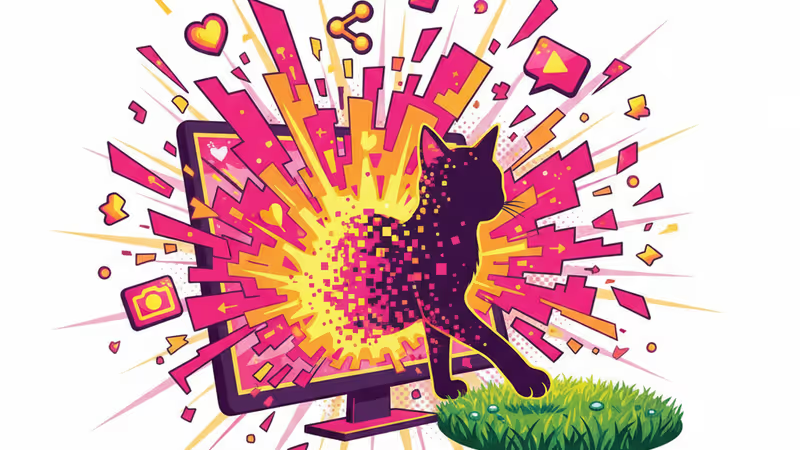
The 47-Second Rule: What Cat Memes Reveal About Our Dwindling Attention Spans
An analysis of how the cat meme phenomenon is linked to our shrinking 47-second attention spans, and what it says about modern digital culture. Includes pet health tips from the PDSA.
An Instagram account with 137,000 followers called ‘Cats Without Context’ posts exactly that: pictures of cats in bizarre, unexplainable situations. While seemingly just lighthearted fun, the immense popularity of such content reveals a critical truth about our modern digital lives and our rapidly shrinking ability to focus.
Cat memes are a cornerstone of internet culture for a reason. Their power lies in a combination of relatability and efficiency. We project our own complex emotions onto their inscrutable expressions, and their bite-sized, punchy format delivers an instant comedic hit—perfect for a brain trained for constant novelty.
This format isn't just popular; it's a reflection of a measurable cognitive shift. According to research by Gloria Mark at the University of California, Irvine, our average attention span on any single screen has plummeted from two and a half minutes in 2003 to just 47 seconds today. Mark’s research suggests this constant task-switching leads to more errors, reduced productivity, and higher stress.
PRISM Insight: The success of content like cat memes isn't accidental; it's the result of a digital ecosystem optimized for fleeting engagement. Platforms reward content that captures attention in under a second, creating a feedback loop that both caters to and reinforces shorter attention spans. This isn't just about memes; it's reshaping how we consume news, learn, and interact, prioritizing immediate stimulus over deep engagement.
But beyond the pixels and viral shares, these animals exist in the real world. As we scroll through endless digital depictions, it’s crucial to remember the responsibility of caring for the living, breathing creatures themselves. The British veterinary charity PDSA offers essential guidance for this.
PDSA Vet Claire Roberts advises pet owners to conduct regular at-home health checks, noting that spotting problems early can make treatment "easier (and more affordable!)." She recommends starting slowly and using treats to create a positive experience, as some pets may be sensitive to being touched in certain areas.
The checklist includes monitoring key health indicators. A cat's eyes should be bright and clear, its nose moist and soft, and its ears free of excess wax or odor. When checking the mouth—only if the cat is comfortable—the gums should be a salmon-pink color and the teeth clean and white. The coat should be free of knots and parasites, and the skin clear of rashes or lumps.
Roberts also highlights the signs of a happy cat, such as rubbing against you or slow blinking. "You can blink back at them to let them know you feel the same," she adds. It’s a quiet form of communication that requires the very attention our digital habits are eroding.
The internet’s love affair with cats offers a fascinating window into our evolving digital psychology. But the ultimate expression of that affection isn't a 'like' or a share; it's the focused, real-world attention we give to their health and happiness, one slow blink at a time.
本コンテンツはAIが原文記事を基に要約・分析したものです。正確性に努めていますが、誤りがある可能性があります。原文の確認をお勧めします。
関連記事
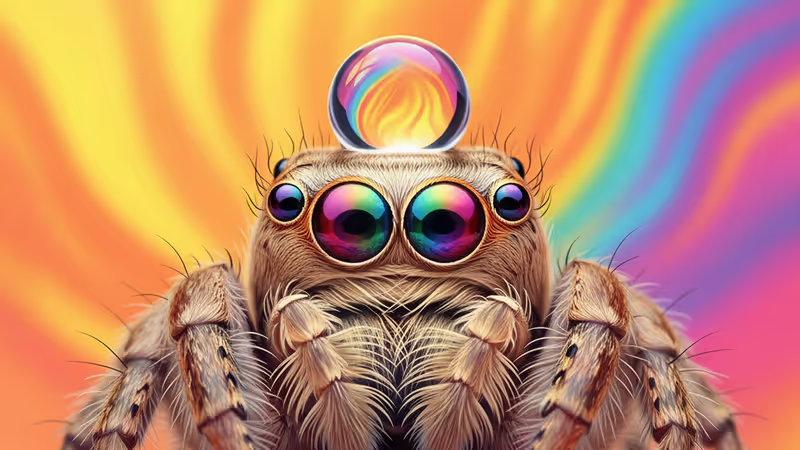
飼い主が頭に水滴を乗せたハエトリグモの写真が「可愛すぎる」とSNSで話題に。まるで水晶の帽子をかぶったような姿が、多くの人々の心を癒しています。

アマゾンでレゴ ボタニカルコレクション「フラワーアレンジメント」が40%オフの65.99ドルでセール中。1,161ピースのこのセットは過去最安値で、大人向けのプレゼントや趣味に最適です。

アマゾンの最新モデル「Fire TV Stick 4K Select」がクーポン利用で75%オフの9.99ドルに。過去最安値を更新したこのセールは期間限定。製品の特長と、この価格戦略の背景にあるエコシステムについて解説します。

クリスマス飾りの定番、キャンディケインの起源は17世紀ドイツにあった?赤と白の縞模様の秘密から、年間17億本以上が生産される背景まで、知られざる物語を解説します。