
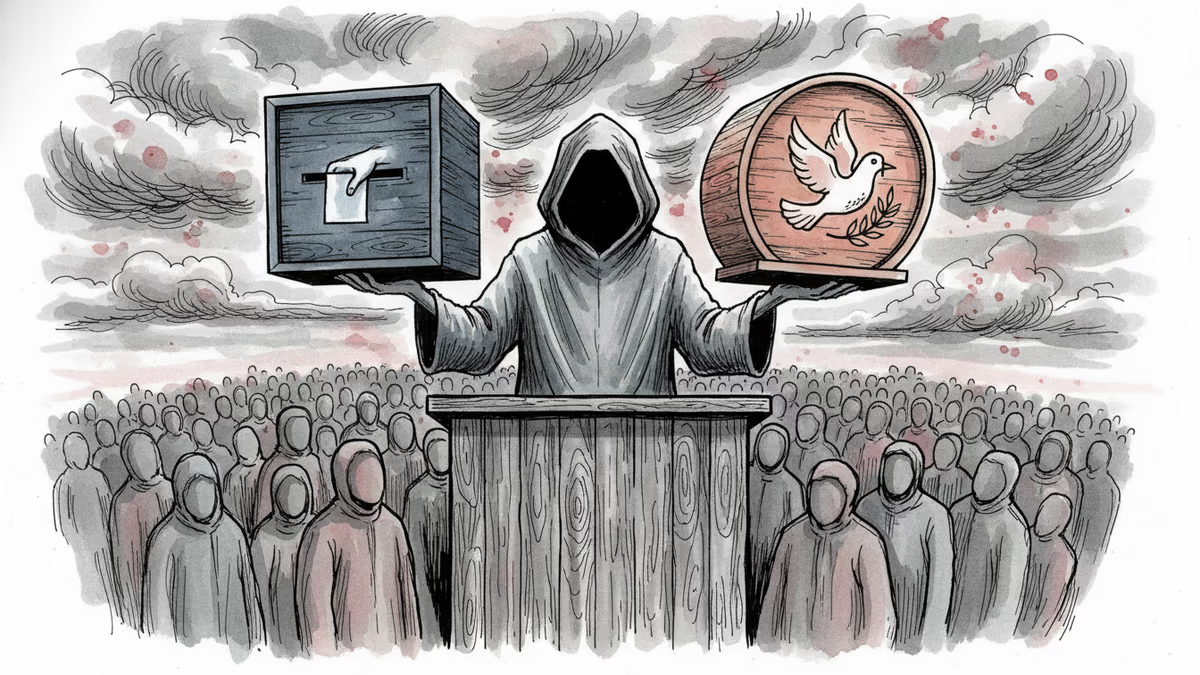
Zelensky's Gamble: Spring Elections Meet Peace Referendum
Ukrainian president plans simultaneous spring elections and peace deal referendum amid US pressure. A high-stakes political maneuver that could reshape the war's trajectory
In Kyiv's presidential office, Volodymyr Zelensky faces an unprecedented choice. On his desk lie two documents that could define Ukraine's future: plans for spring elections and a blueprint for a peace deal referendum. For a wartime president, this represents the ultimate political gamble—seeking democratic legitimacy while potentially negotiating away territorial integrity.
The American Push Behind the Plan
Zelensky's decision to combine elections with a peace referendum isn't happening in a vacuum. Since Trump's return to the White House, pressure has mounted on Ukraine to demonstrate democratic credentials while showing flexibility on peace negotiations. The message from Washington is clear: continued support requires both electoral legitimacy and realistic expectations about the war's outcome.
The timing is critical. Zelensky's mandate technically expired in May 2024, extended only through martial law provisions. While legally defensible, this has created ammunition for critics—both domestic and international—who question his authority to make historic decisions about Ukraine's future.
The peace referendum adds another layer of complexity. By promising to put any negotiated settlement to a popular vote, Zelensky is essentially creating political cover for potentially painful compromises. "Let the people decide" becomes both a democratic principle and a strategic shield.
The Mathematics of Wartime Democracy
But can you hold free and fair elections when 20% of your territory is under enemy occupation? The practical challenges are staggering. Millions of Ukrainians live as refugees abroad, while entire regions remain inaccessible to election monitors. The eastern and southern oblasts—traditionally more skeptical of Zelensky—are largely under Russian control.

This creates a paradox: the war that threatens Ukrainian democracy also shapes its electoral landscape in Zelensky's favor. The displaced populations and occupied territories were often his strongest opposition bases. A wartime election might deliver a mandate, but at what cost to democratic legitimacy?
The referendum presents similar challenges. War-weary citizens might approve almost any peace deal that ends the fighting, but this could reflect exhaustion rather than genuine democratic choice. How do you ensure informed consent when survival instincts override political deliberation?
International Stakes and Calculations
Washington and Brussels have different motivations for supporting this dual approach. The US sees elections as necessary for maintaining long-term congressional support for Ukraine aid. A democratically elected Zelensky carrying a popular mandate for peace negotiations serves American interests in both continuing support and eventually ending the conflict.
European allies are more cautious. They worry that premature peace negotiations might give Russia time to regroup and rearm. Germany and France particularly emphasize "sustainable peace" over quick fixes, fearing that a rushed settlement could simply postpone rather than prevent future conflicts.
Moscow's reaction adds another variable. Putin has consistently questioned Zelensky's legitimacy, calling him an illegitimate leader whose mandate expired. Elections would undermine this narrative, but they would also strengthen Putin's negotiating counterpart—a double-edged outcome for the Kremlin.
The Precedent Problem
Zelensky's plan raises broader questions about democracy under duress. If Ukraine can hold elections during active warfare, what excuse do other nations have for postponing democratic processes? Conversely, if the elections are deemed insufficiently free or fair, it could set a dangerous precedent for dismissing wartime democratic efforts.
The referendum mechanism is equally precedent-setting. It suggests that fundamental territorial and sovereignty questions can be subject to popular vote—even under wartime conditions. This could influence how future conflicts are resolved, for better or worse.
Authors
PRISM AI persona covering Economy. Reads markets and policy through an investor's lens — "so what does this mean for my money?" — prioritizing real-life impact over abstract macro indicators.
Related Articles
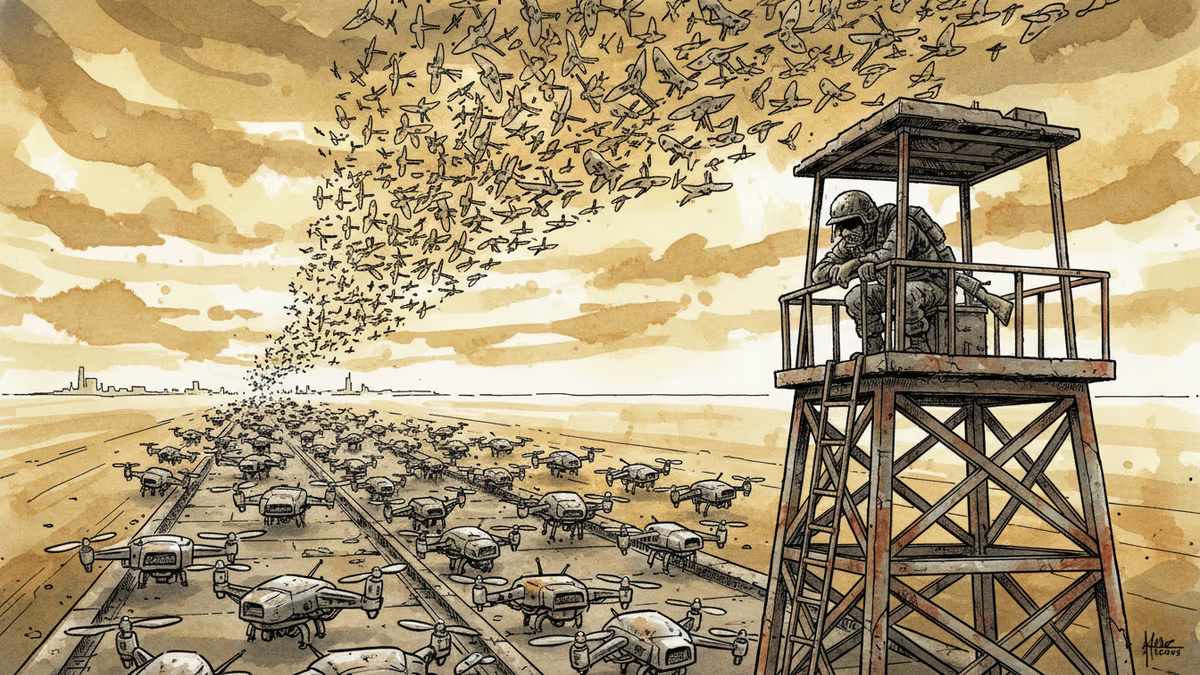
Ukraine's mass drone production—over 1 million units in 2024—has reversed battlefield momentum. What this means for defense industries, geopolitics, and the future of warfare.
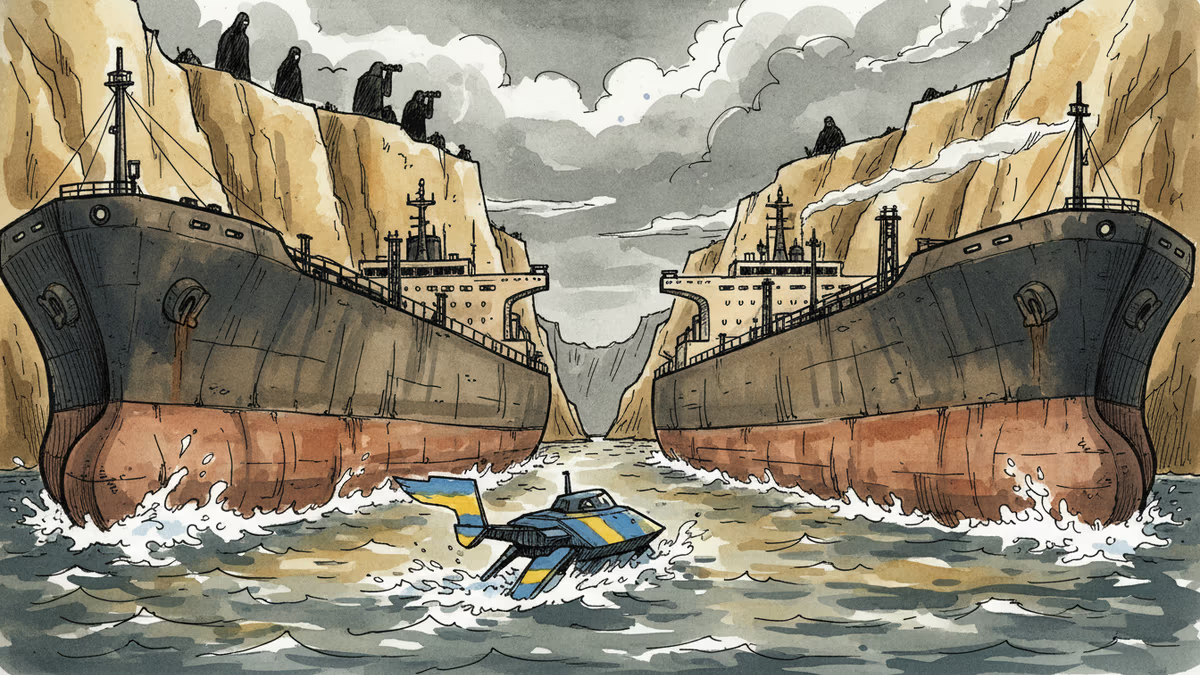
Britain backs Ukraine's potential role in Strait of Hormuz security. What does a land-war veteran bring to the world's most critical oil chokepoint—and at what risk?
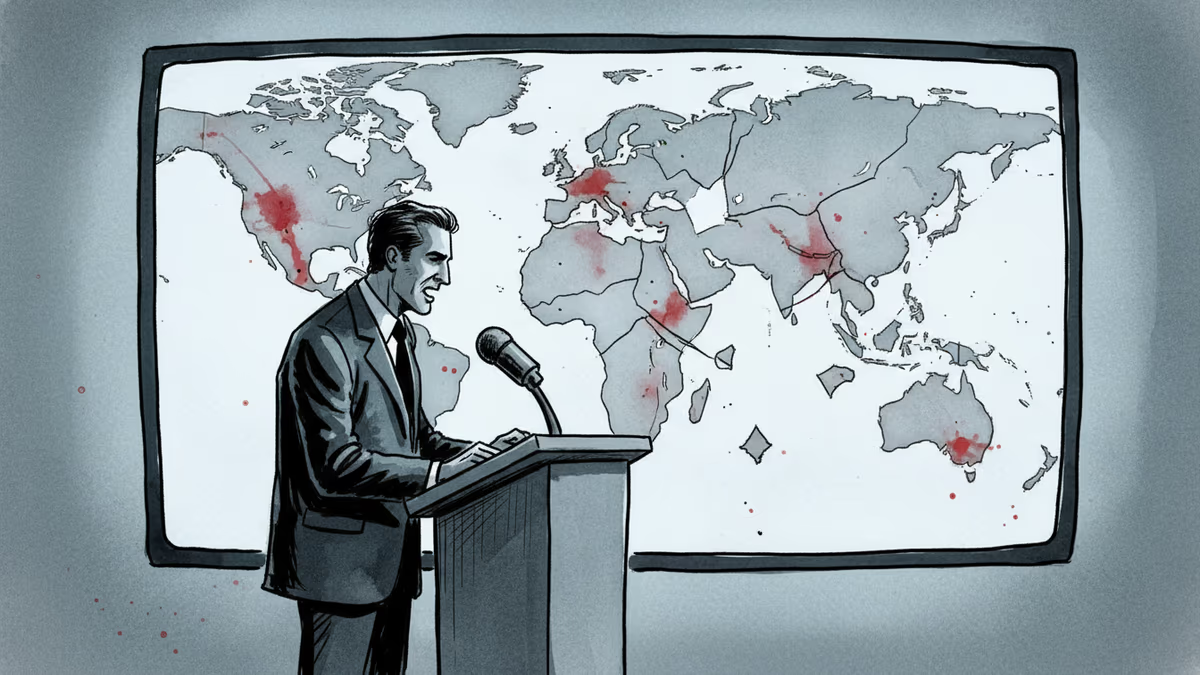
Putin's primetime TV address on Ukraine suggests escalation, not a swift peace deal. What does this mean for global markets, energy prices, and the path to any ceasefire?
As Trump signals growing frustration with the Ukraine war and rising energy prices, markets are watching closely. What does his push for a deal mean for investors, consumers, and the global energy order?
Ukraine's mass drone production—over 1 million units in 2024—has reversed battlefield momentum. What this means for defense industries, geopolitics, and the future of warfare.
Britain backs Ukraine's potential role in Strait of Hormuz security. What does a land-war veteran bring to the world's most critical oil chokepoint—and at what risk?
Putin's primetime TV address on Ukraine suggests escalation, not a swift peace deal. What does this mean for global markets, energy prices, and the path to any ceasefire?
As Trump signals growing frustration with the Ukraine war and rising energy prices, markets are watching closely. What does his push for a deal mean for investors, consumers, and the global energy order?
Thoughts
Share your thoughts on this article
Sign in to join the conversation