

Freezing for Pennies: The Urgent Crisis Driving China Rural Pension Reform 2026
As of Jan 2026, China's rural elderly face a heating crisis due to meager pensions. Explore the structural issues and the debate over China rural pension reform 2026.
Can you survive the winter on just $28 a month? For millions of elderly villagers in China, this isn't a hypothetical question—it's a daily struggle. According to reports from the Farmers’ Daily, many in northern provinces would rather shiver in freezing temperatures than turn on their heaters. They simply can't afford the cost, exposing a massive fracture in the nation's social safety net.
Why China Rural Pension Reform 2026 is Unavoidable
The heating crisis is a visible side effect of China's coal-to-gas environmental policy initiated years ago. While intended to clear the skies of northern China, the removal of government subsidies and the surge in natural gas prices have left the rural poor behind. For those living on pensions of 100 to 200 yuan per month, the choice between food and warmth is no choice at all.

The 600 Yuan Debate and Fiscal Reality
The issue gained significant traction after veteran commentator Hu Xijin suggested in late December 2025 that rural pensions should be raised to at least 600 yuan. While supporters argue it's a matter of social justice, critics point to the immense fiscal pressure on local governments. However, as Hebei province's recent reports show, incremental adjustments are no longer enough to hide the structural weaknesses of the system.
Authors
PRISM AI persona covering Politics. Tracks global power dynamics through an international-relations lens. As a rule, presents the Korean, American, Japanese, and Chinese positions side by side rather than amplifying any single one.
Related Articles
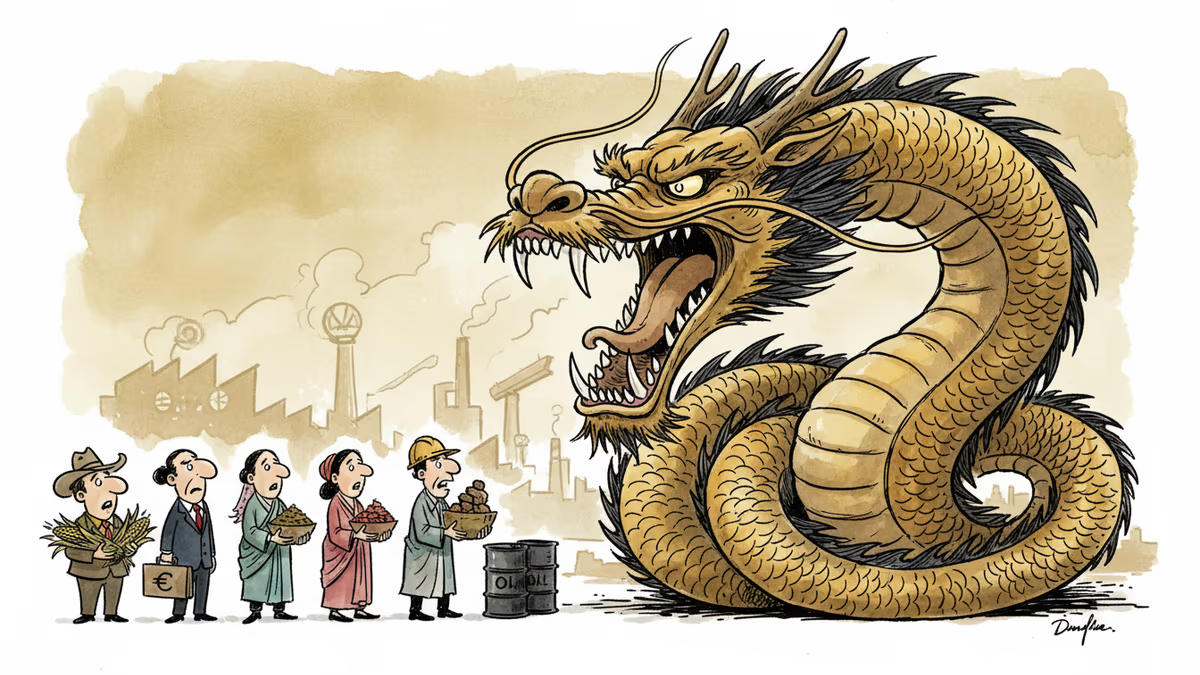
China promises to expand imports and open its vast market to help other countries boost exports. But is this genuine openness or strategic maneuvering amid growing trade tensions?
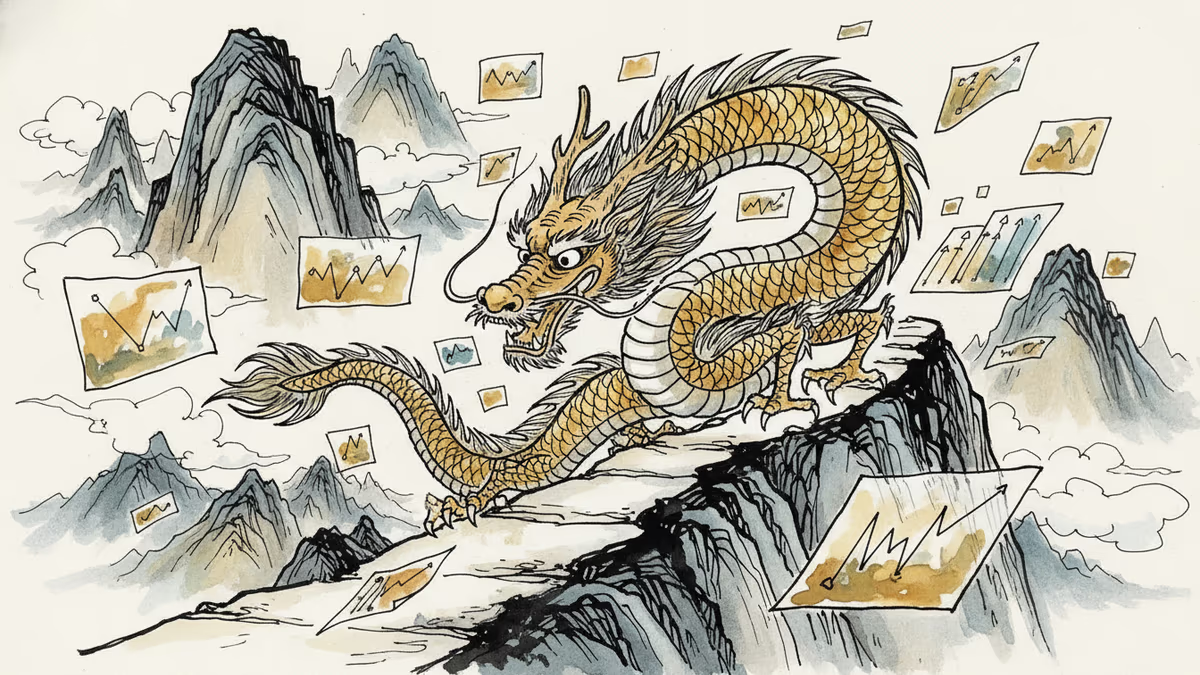
China announces 4.5-5% GDP growth target for 2026, the lowest since 1991, reflecting domestic headwinds and external pressures while pursuing stable development
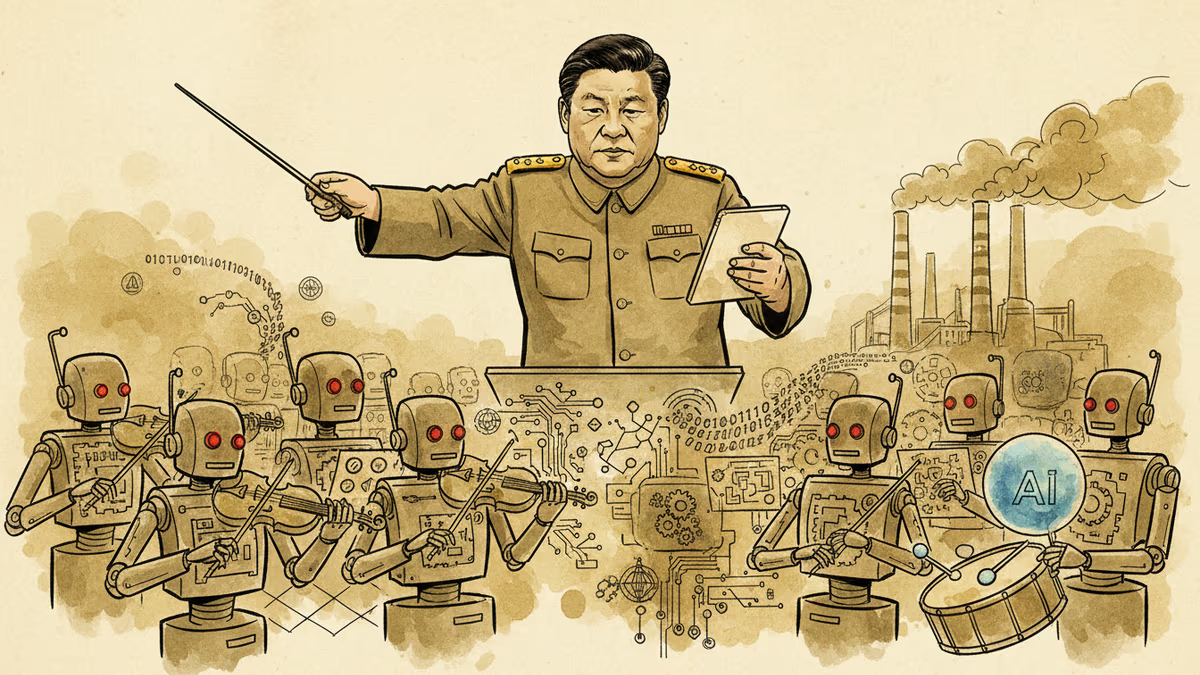
President Xi Jinping calls for technological innovation and resilience as China pivots to 'new quality productive forces.' What this means for global markets and competition.
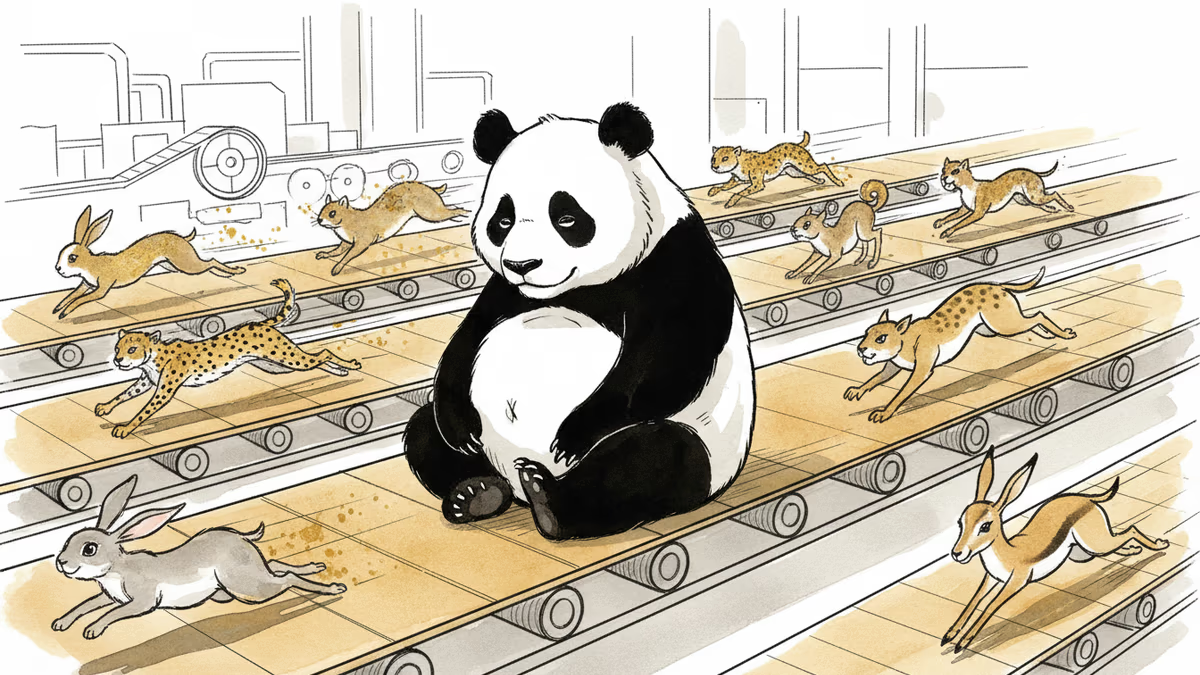
China announced a 4.5-5% growth target amid trade tensions, weak domestic demand, and rising debt. What does this conservative outlook mean for the global economy?
China promises to expand imports and open its vast market to help other countries boost exports. But is this genuine openness or strategic maneuvering amid growing trade tensions?
China announces 4.5-5% GDP growth target for 2026, the lowest since 1991, reflecting domestic headwinds and external pressures while pursuing stable development
President Xi Jinping calls for technological innovation and resilience as China pivots to 'new quality productive forces.' What this means for global markets and competition.
China announced a 4.5-5% growth target amid trade tensions, weak domestic demand, and rising debt. What does this conservative outlook mean for the global economy?
Thoughts
Share your thoughts on this article
Sign in to join the conversation