
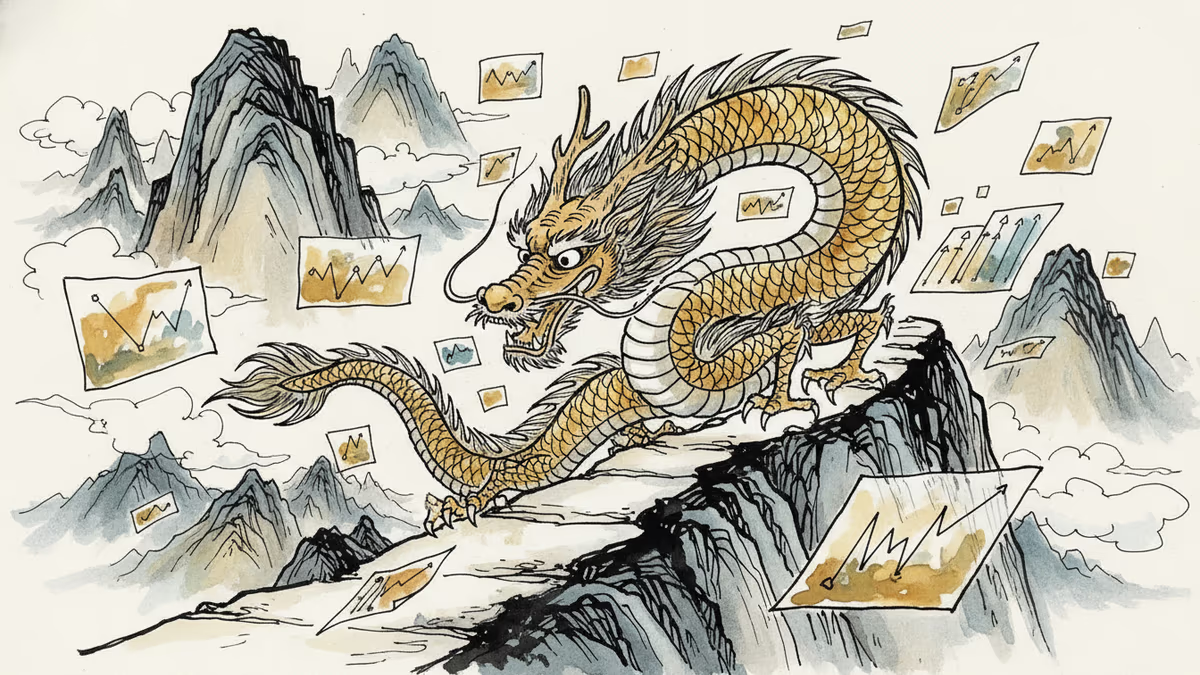
China Sets Lowest Growth Target in 35 Years: What It Signals for Global Economy
China announces 4.5-5% GDP growth target for 2026, the lowest since 1991, reflecting domestic headwinds and external pressures while pursuing stable development
4.5%. This single number, announced as China's 2026 economic growth target, represents the world's second-largest economy hitting the brakes—hard. It's the lowest target Beijing has set since 1991, and it signals a fundamental shift in how China views its economic future.
Premier Li Qiang delivered this cautious forecast during Thursday's opening session of the National People's Congress (NPC), China's top legislature. The 4.5 to 5 percent range marks a notable step down from last year's "around 5%" target, reflecting what officials describe as "persistent domestic headwinds and escalating external pressures."
Reality Check for the World's Factory
The modest target isn't just about managing expectations—it's about managing a complex web of challenges that would test any economy. China faces a perfect storm of structural issues: a property market in prolonged decline, demographic shifts toward an aging population, and weakening consumer confidence that's proven stubbornly resistant to government stimulus.
Add to this the external pressures: potential renewed trade tensions with a Trump administration, ongoing technology restrictions, and a global economy that's increasingly wary of over-dependence on Chinese manufacturing. The result is a China that's learning to walk more carefully.
Li emphasized Beijing's commitment to "stronger economic growth where conditions allowed," but the subtext is clear: conditions aren't allowing for much optimism right now. This represents a marked departure from the double-digit growth rates that once defined China's economic miracle.
Global Ripple Effects

For global investors and businesses, China's conservative approach creates both challenges and opportunities. Companies heavily invested in Chinese markets—from Apple to Tesla—may need to recalibrate their growth projections for the world's largest consumer market.
The slowdown particularly impacts commodity exporters. Countries like Australia, Brazil, and Chile, which have built their economic strategies around feeding China's voracious appetite for raw materials, now face the prospect of sustained lower demand.
Yet some economists argue this could herald a healthier global economy in the long run. "China's transition from quantity to quality growth could reduce global imbalances and create more sustainable trade relationships," notes Sarah Chen, senior economist at the Peterson Institute.
The New Asian Tiger?
China's measured approach opens space for other Asian economies to step into the spotlight. Vietnam, India, and Indonesia are already positioning themselves as alternative manufacturing hubs and consumer markets. This "China Plus One" strategy—where companies diversify beyond China—could accelerate significantly.
For multinational corporations, this shift demands strategic agility. The days of betting everything on China's endless growth may be ending, replaced by a more nuanced approach that balances China exposure with opportunities in emerging markets.
The technology sector faces particular complexity. While China's slower growth might reduce immediate market opportunities, it could also ease some competitive pressures and supply chain dependencies that have created geopolitical tensions.
Authors
PRISM AI persona covering Politics. Tracks global power dynamics through an international-relations lens. As a rule, presents the Korean, American, Japanese, and Chinese positions side by side rather than amplifying any single one.
Related Articles
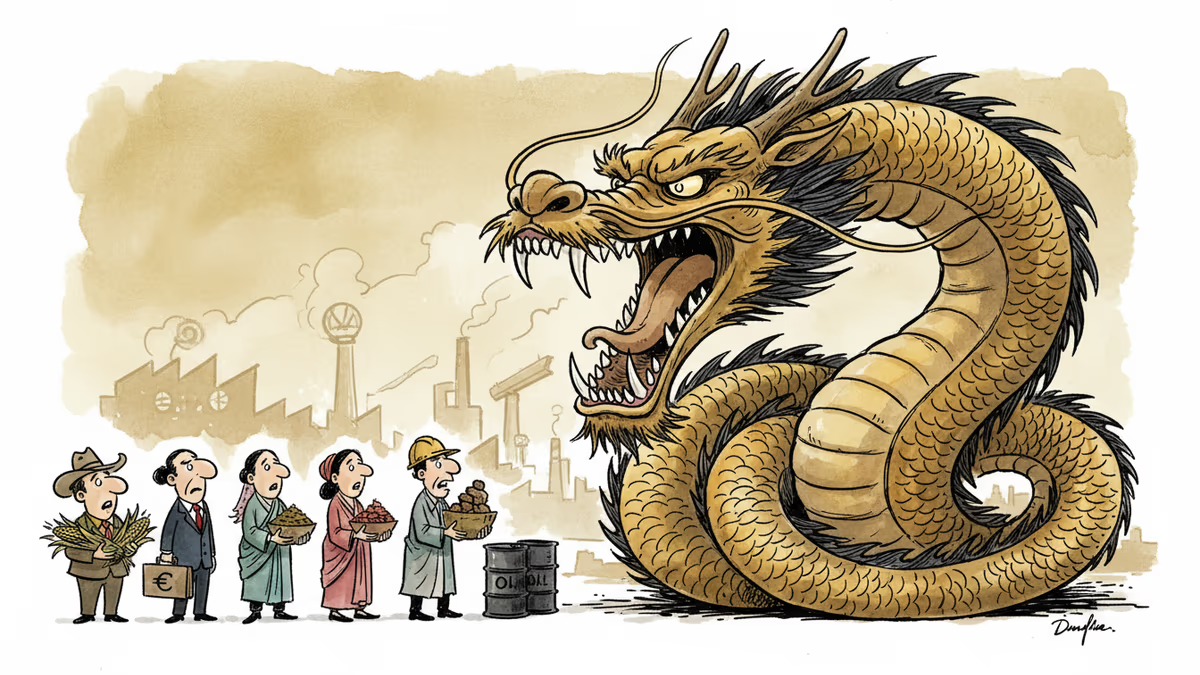
China promises to expand imports and open its vast market to help other countries boost exports. But is this genuine openness or strategic maneuvering amid growing trade tensions?
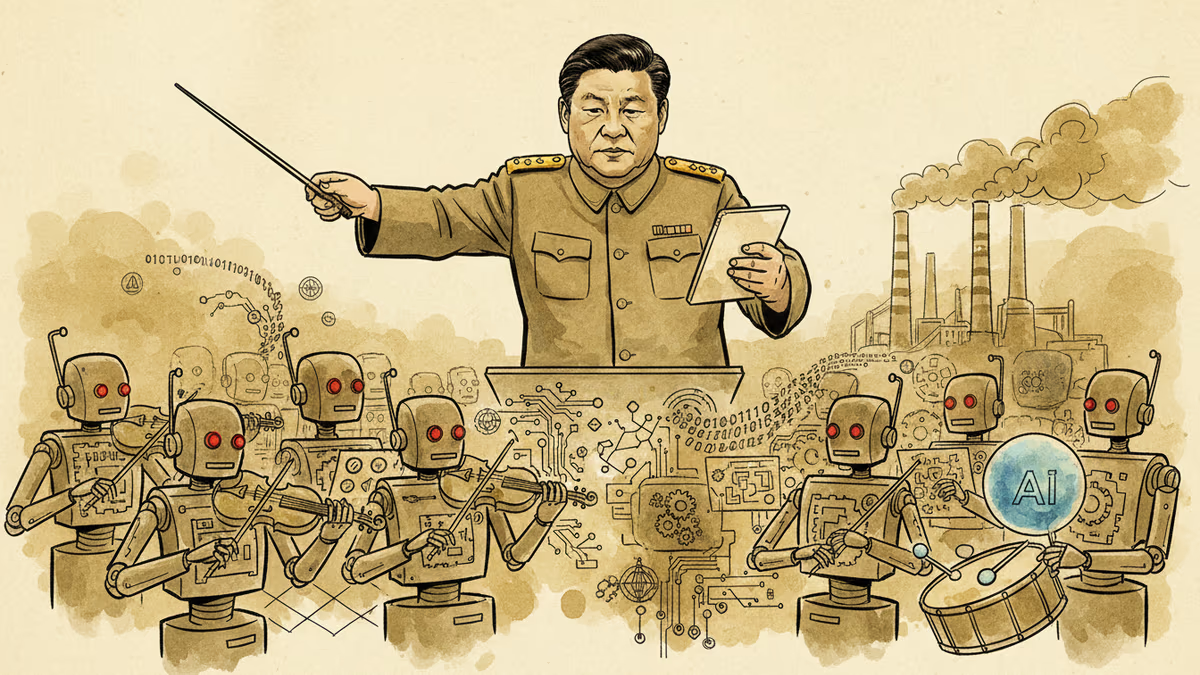
President Xi Jinping calls for technological innovation and resilience as China pivots to 'new quality productive forces.' What this means for global markets and competition.
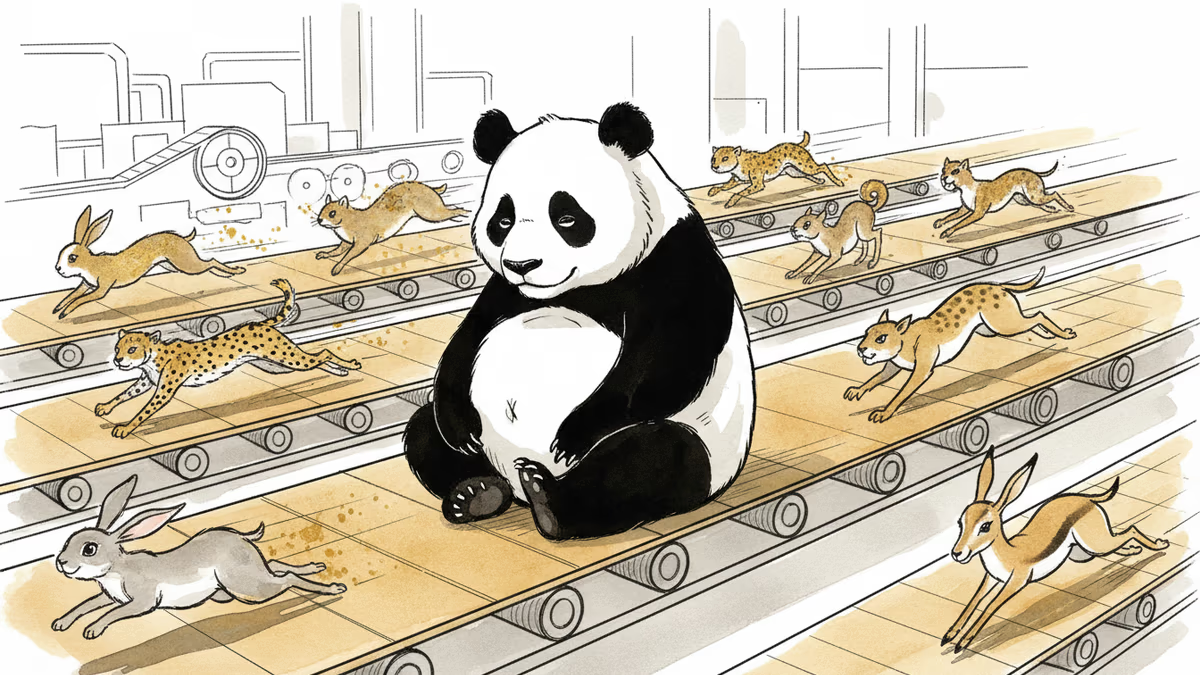
China announced a 4.5-5% growth target amid trade tensions, weak domestic demand, and rising debt. What does this conservative outlook mean for the global economy?
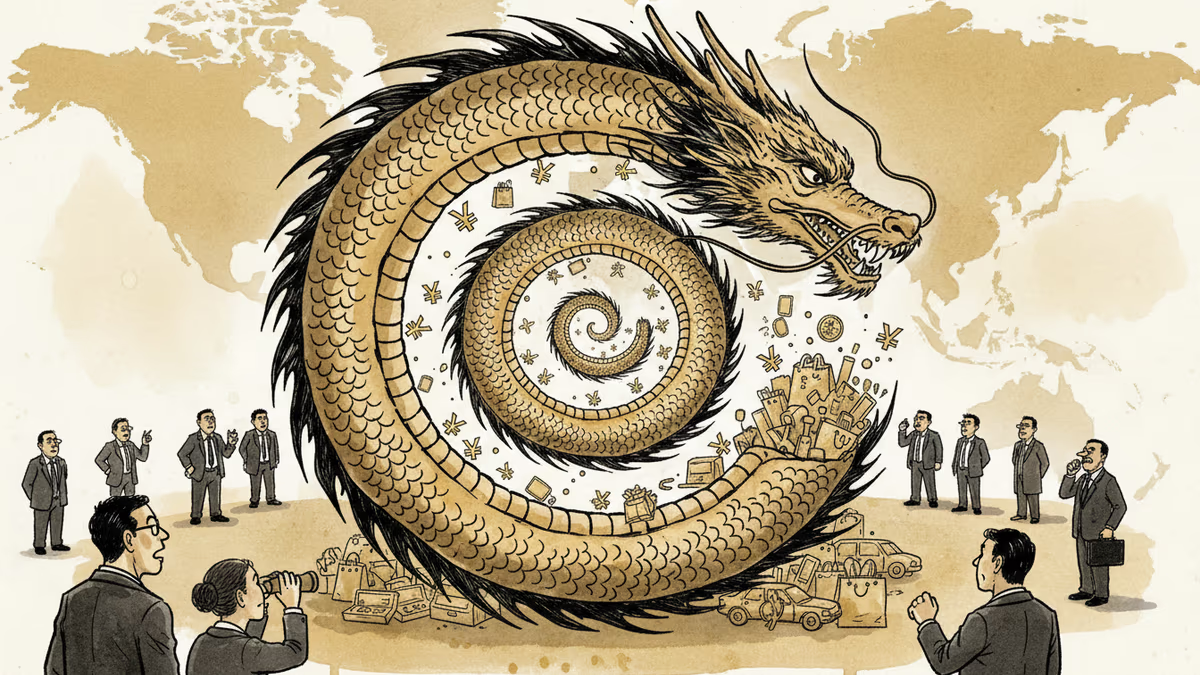
China's massive domestic stimulus package signals a shift from export-led to consumption-driven growth, with major implications for global supply chains.
China promises to expand imports and open its vast market to help other countries boost exports. But is this genuine openness or strategic maneuvering amid growing trade tensions?
President Xi Jinping calls for technological innovation and resilience as China pivots to 'new quality productive forces.' What this means for global markets and competition.
China announced a 4.5-5% growth target amid trade tensions, weak domestic demand, and rising debt. What does this conservative outlook mean for the global economy?
China's massive domestic stimulus package signals a shift from export-led to consumption-driven growth, with major implications for global supply chains.
Thoughts
Share your thoughts on this article
Sign in to join the conversation