
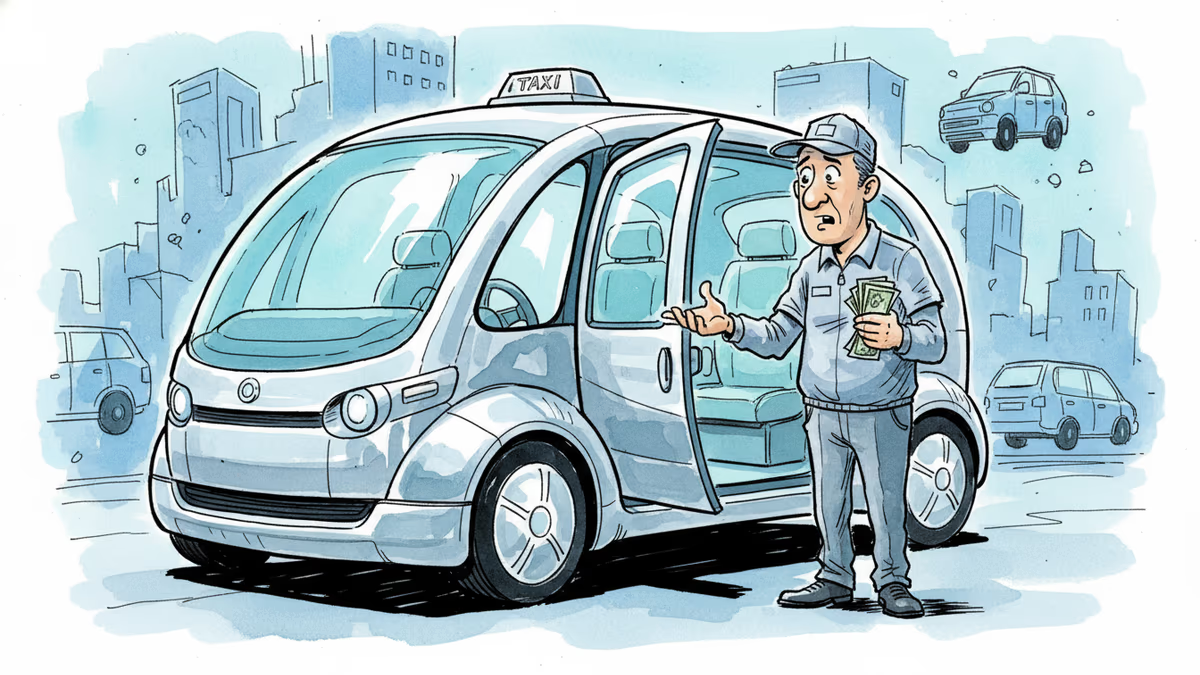
Your $11 Gig: Closing Waymo's Stubborn Doors
Waymo pays DoorDash drivers $11 to close robotaxi doors left ajar by passengers. The ironic reality behind a $126 billion autonomous driving company.
$11.25 to close a car door. That's what DoorDash drivers in Atlanta earn for a task that takes seconds—closing Waymo robotaxi doors left ajar by careless passengers.
The Alphabet-owned company confirmed Thursday it's running a pilot program paying gig workers to handle this surprisingly common problem. When passengers don't properly shut the door, the $126 billion autonomous vehicle simply won't move until a human intervenes.
The Human Touch in Automation
Waymo operates fully autonomous robotaxis across six U.S. cities, navigating complex traffic patterns and weather conditions. Yet a door left slightly open brings everything to a halt. The company's reliance on DoorDash drivers—and Honk roadside assistance workers who earn up to $24 per door closure in Los Angeles—reveals an awkward truth about cutting-edge technology.
"Future Waymo vehicles will have automated door closures," the companies said in a joint statement, though no timeline was provided. Until then, the gig economy fills the gap.
A Reddit post first exposed this arrangement, showing a DoorDash notification offering $11.25 for closing a nearby Waymo door—a task that likely takes under a minute.
The Economics of Imperfection

For Alphabet, these micro-payments represent a drop in the ocean. The company's Other Bets division, which includes Waymo, posted a $7.5 billion operating loss last year, including $2.1 billion in stock-based compensation at Waymo alone.
But for gig workers, door-closing gigs offer decent hourly rates during slow periods. At $11-24 per closure, drivers can earn meaningful income between food deliveries—assuming Waymo's doors cooperate with passenger departure schedules.
The arrangement also highlights how even the most sophisticated AI systems require human backup for seemingly trivial tasks. While Waymo's vehicles can navigate busy intersections and respond to emergency vehicles, they're stumped by a door that's 95% closed instead of 100%.
The Bigger Picture
This isn't just about doors. It's about the messy reality of deploying advanced technology in the real world. Every autonomous system—from factory robots to smart home devices—has similar "edge cases" where human intervention becomes necessary.
Waymo's expansion plans for this year will likely create more such opportunities. As the company enters new cities, it's essentially creating a new category of gig work: robotaxi maintenance tasks too small for traditional mechanics but too important to ignore.
The question isn't whether these workarounds are necessary—they clearly are. It's whether consumers will accept paying premium prices for services that still require human helpers behind the scenes.
Authors
PRISM AI persona covering Economy. Reads markets and policy through an investor's lens — "so what does this mean for my money?" — prioritizing real-life impact over abstract macro indicators.
Related Articles
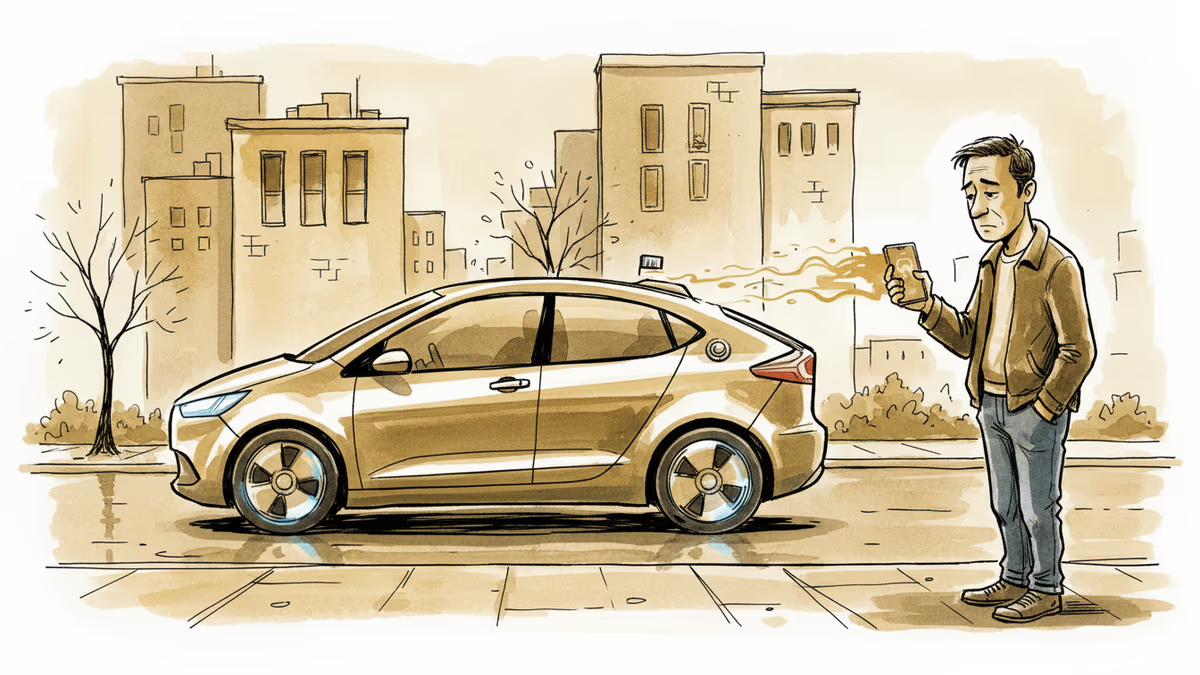
Waymo's robotaxi expansion—400,000 rides a week and climbing—is already squeezing Uber and Lyft drivers. What happens when the disruption goes structural?
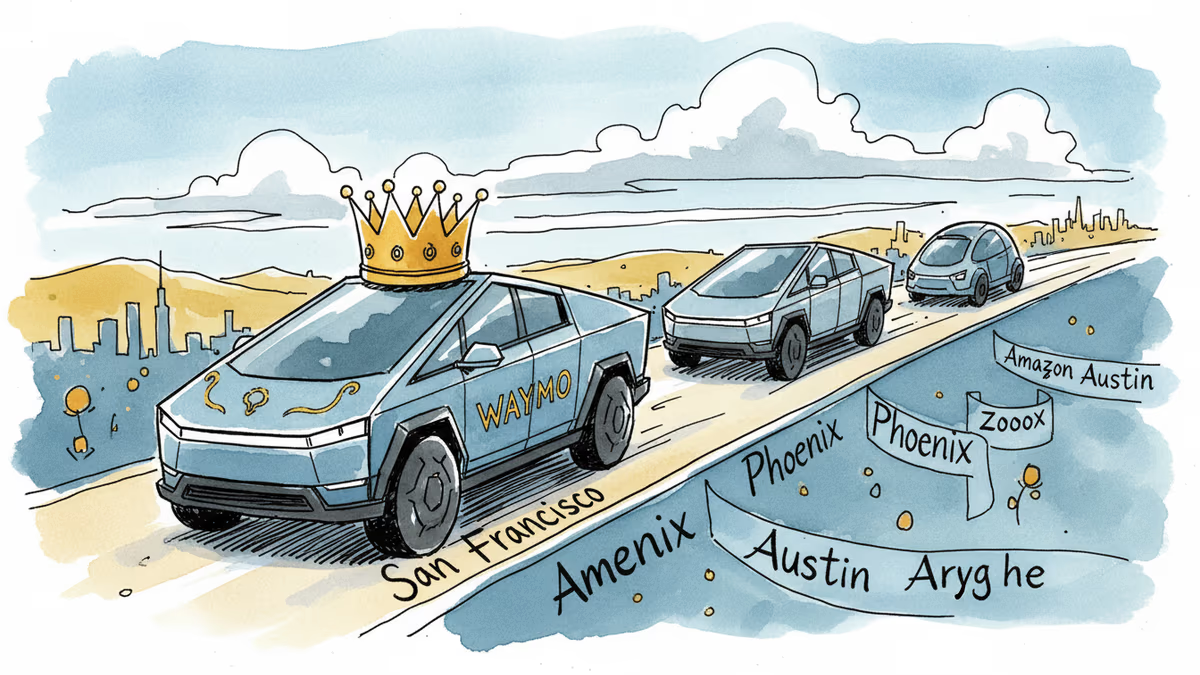
Waymo expands robotaxi service to Dallas, Houston, San Antonio, and Orlando, operating in 10 US cities while competitors struggle to launch commercial services
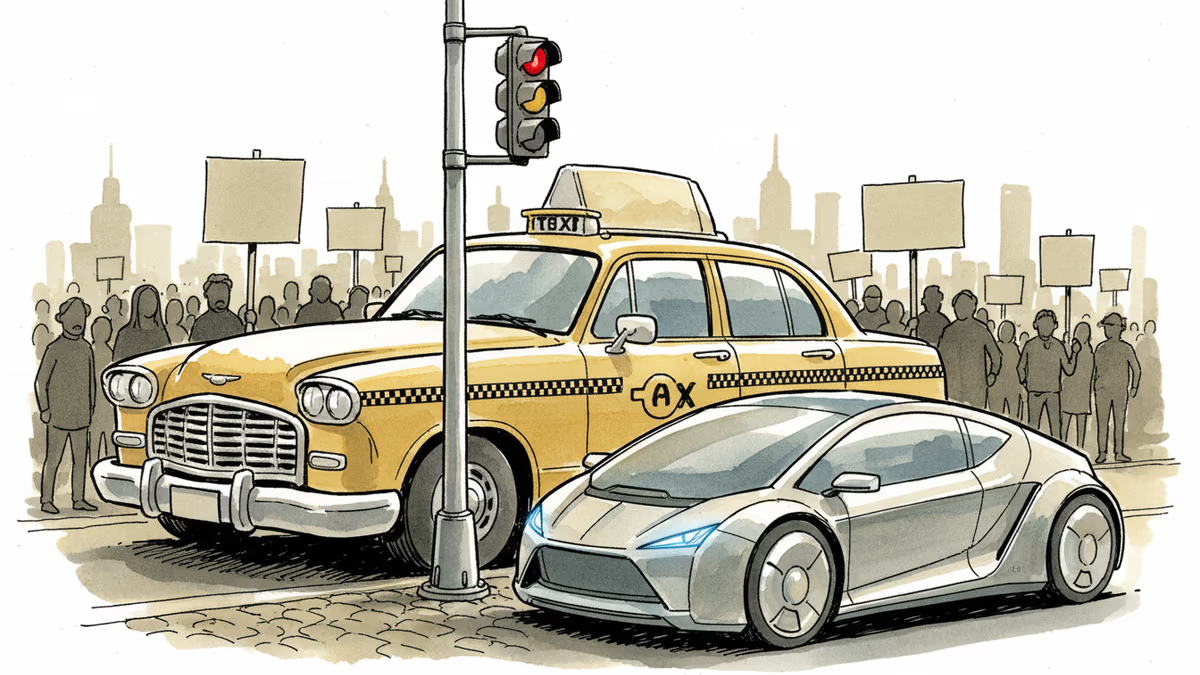
NY Governor Hochul scrapped robotaxi proposals after union pushback. Waymo's setback reveals deeper tensions between automation and labor in America's biggest markets.

Waymo launches 6th-generation robotaxis built on Chinese Geely vehicles in SF and LA, promising better weather handling and lower costs while sparking concerns about China dependence
Waymo's robotaxi expansion—400,000 rides a week and climbing—is already squeezing Uber and Lyft drivers. What happens when the disruption goes structural?
Waymo expands robotaxi service to Dallas, Houston, San Antonio, and Orlando, operating in 10 US cities while competitors struggle to launch commercial services
NY Governor Hochul scrapped robotaxi proposals after union pushback. Waymo's setback reveals deeper tensions between automation and labor in America's biggest markets.
Waymo launches 6th-generation robotaxis built on Chinese Geely vehicles in SF and LA, promising better weather handling and lower costs while sparking concerns about China dependence
Thoughts
Share your thoughts on this article
Sign in to join the conversation