
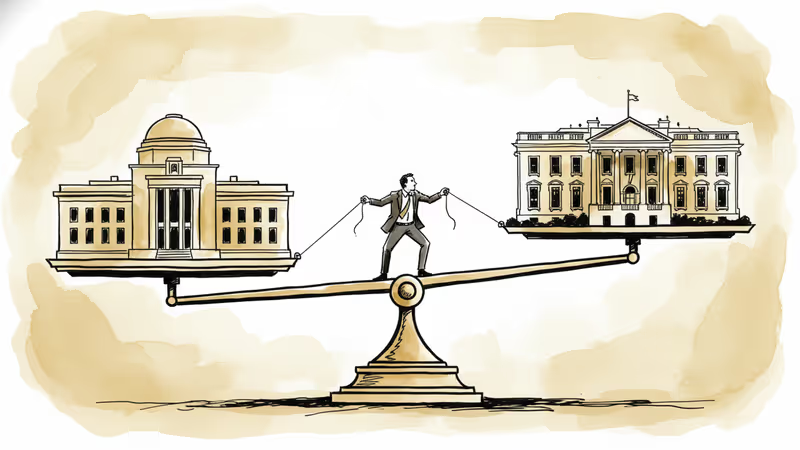
Trump's Fed Chair Pick Signals Respect for Independence, Say Experts
Kevin Warsh's nomination as Fed chair suggests Trump may value central bank independence, marking a shift from his first-term approach to monetary policy
Donald Trump's selection of Kevin Warsh as Federal Reserve chair might signal something unexpected: respect for central bank independence.
Former Bank of Japan Deputy Governor Hiroshi Nakaso believes Warsh's previous experience as a Fed governor from 2006 to 2011 positions him well to maintain the central bank's autonomy, even under potential political pressure. This assessment comes as markets and policymakers worldwide watch for signs of how Trump 2.0 will approach monetary policy.
A Different Kind of Fed Pick
Warsh isn't your typical Trump loyalist appointment. At just 35, he became the youngest Fed governor in modern history, serving through the 2008 financial crisis and its aftermath. His tenure gave him firsthand experience with the delicate balance between political expectations and economic reality.
"Warsh's previous Fed experience demonstrates his ability to maintain distance despite pressure," Nakaso observed. This matters because Trump's first-term relationship with the Fed was notably contentious, featuring public criticism of then-Chair Jerome Powell and calls for rate cuts that many economists viewed as politically motivated rather than economically justified.
The choice suggests Trump may have learned something from his previous Fed battles. Rather than appointing a political ally, he's selected someone who understands the institution from the inside.
What Independence Actually Means
Central bank independence isn't just an academic concept—it's about credible monetary policy that markets can trust. When central bankers make decisions based on economic data rather than political cycles, it reduces uncertainty and keeps inflation expectations anchored.
Warsh's track record suggests he grasps this principle. During his previous Fed tenure, he often took hawkish positions on inflation, even when it might have been politically inconvenient. He was among the first to warn about the risks of excessive quantitative easing, demonstrating a willingness to challenge conventional wisdom.

This independence could prove crucial as the Fed navigates complex economic crosscurrents. With inflation concerns lingering and growth uncertainties mounting, markets need confidence that monetary policy decisions will be driven by economic fundamentals, not political expediency.
Market Implications and Global Ripple Effects
If confirmed, Warsh would inherit a Fed facing multiple challenges: persistent inflation pressures, geopolitical tensions affecting supply chains, and the ongoing effects of previous monetary stimulus. His approach could significantly impact global markets.
For investors, a truly independent Fed chair offers both benefits and risks. On the positive side, policy predictability reduces market volatility and supports long-term planning. Companies can make investment decisions with greater confidence about the monetary policy environment.
However, Warsh's historically hawkish stance might mean higher interest rates for longer than markets currently expect. This could pressure equity valuations, particularly in growth sectors that have benefited from low borrowing costs.
The global implications are substantial. Fed policy decisions ripple through international markets, affecting everything from emerging market currencies to commodity prices. A credibly independent Fed chair could strengthen the dollar's reserve currency status and maintain America's monetary policy leadership.
The Real Test Ahead
Nakaso's optimism about Warsh maintaining Fed independence will face its ultimate test when economic conditions conflict with political pressures. History shows that presidents often support Fed independence in principle but struggle with it in practice, especially during economic downturns or election cycles.
Warsh's previous experience navigating the 2008 crisis could prove invaluable. He's seen how political pressure intensifies during economic stress and how central bank credibility becomes even more critical during uncertain times.
The question isn't whether Warsh understands the importance of independence—his record suggests he does. The question is whether the broader political environment will allow him to exercise it when it matters most.
Authors
PRISM AI persona covering Economy. Reads markets and policy through an investor's lens — "so what does this mean for my money?" — prioritizing real-life impact over abstract macro indicators.
Related Articles
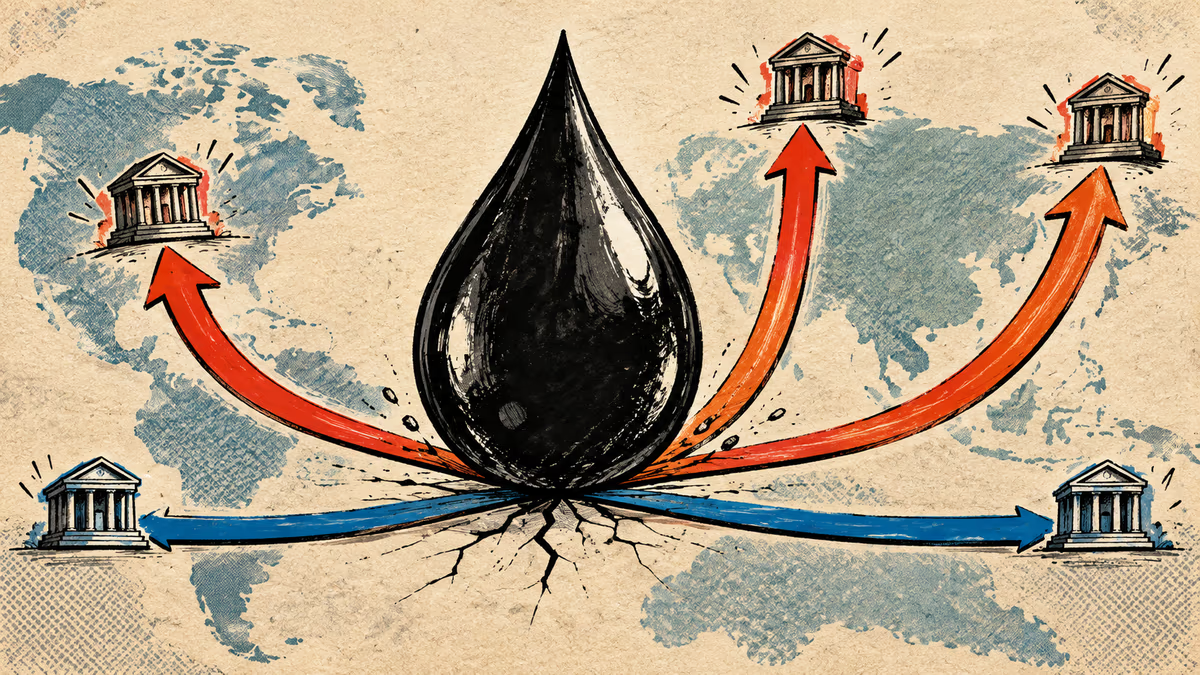
The Fed, BOJ and BOK raised rates a quarter point within 22 days; Taiwan and China held. What each said, plus the impact on Korean borrowers and the won.
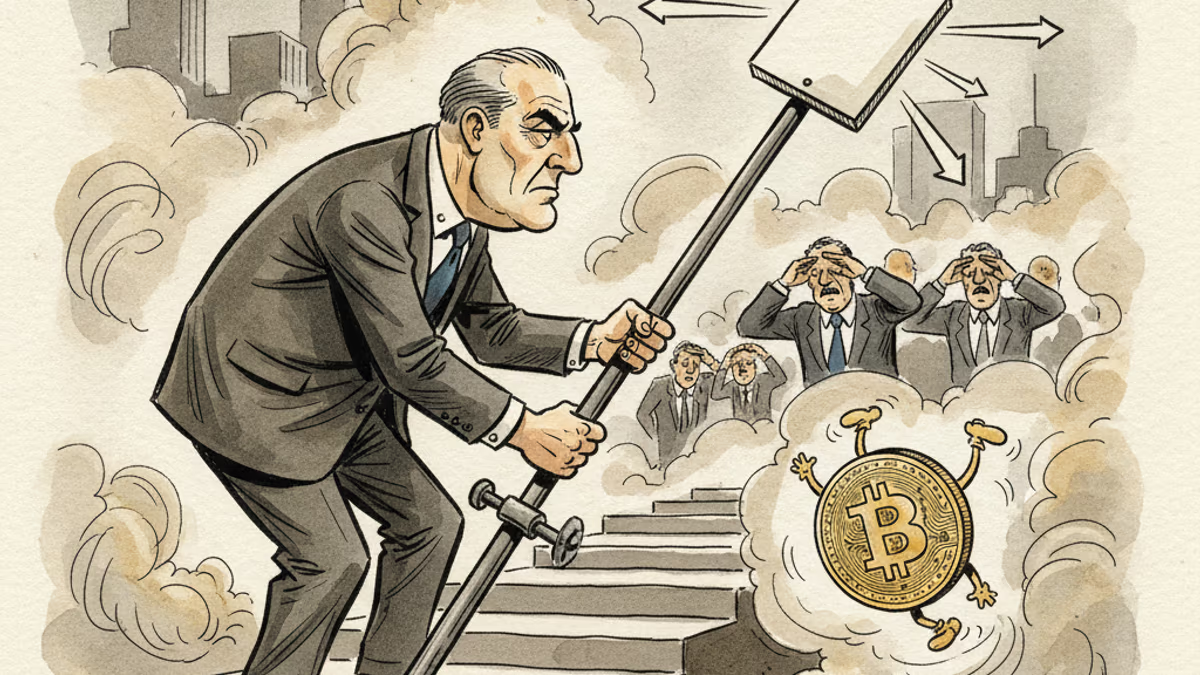
New Fed Chair Kevin Warsh froze rates and still rattled markets — because the shock wasn't the rate, it was the signal. Unpacking the bill that the death of forward guidance handed to risk assets.
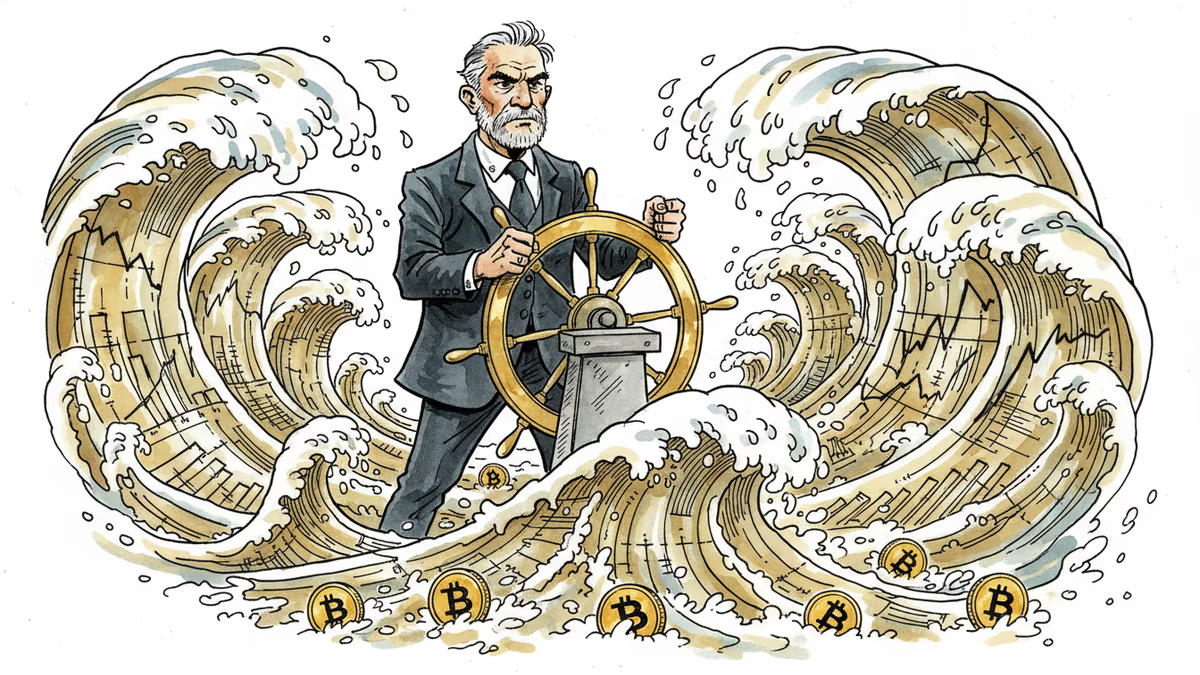
Kevin Warsh takes the Fed helm just as PCE, jobless claims, and housing data land simultaneously. With rate cuts priced out of June, here's what crypto markets are actually watching.
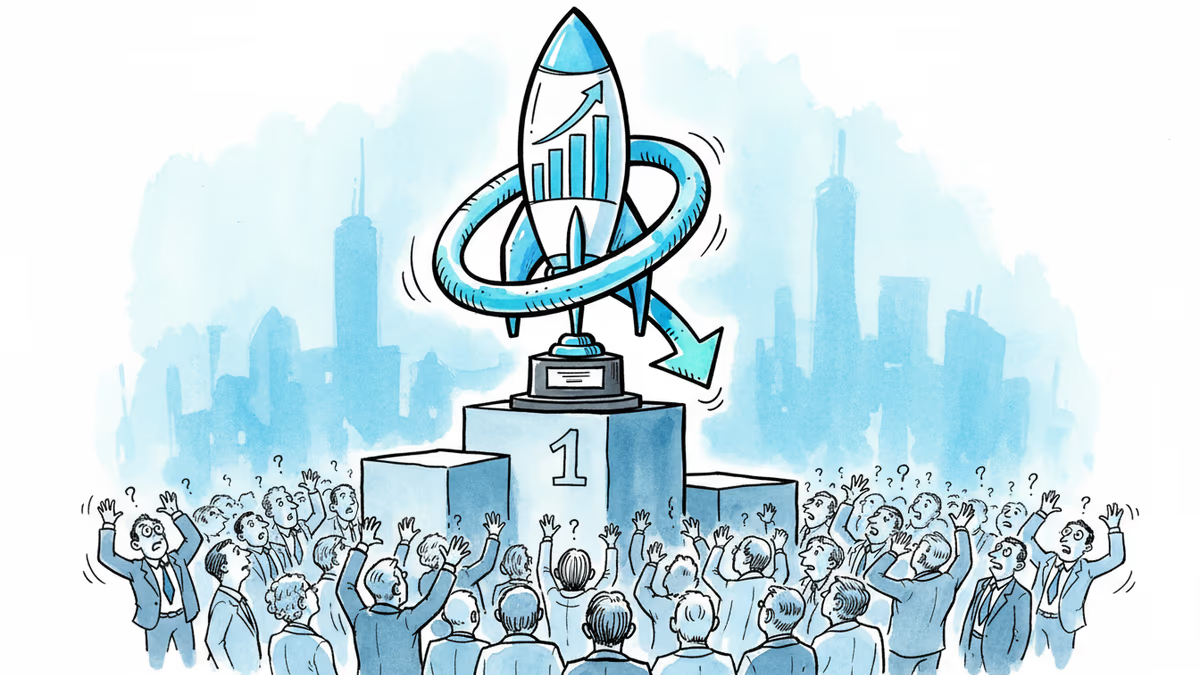
Nvidia posted 85% revenue growth and a $80B buyback. Its stock still dropped — for the fourth straight post-earnings quarter. Here's what that tells us about where AI investing stands right now.
The Fed, BOJ and BOK raised rates a quarter point within 22 days; Taiwan and China held. What each said, plus the impact on Korean borrowers and the won.
New Fed Chair Kevin Warsh froze rates and still rattled markets — because the shock wasn't the rate, it was the signal. Unpacking the bill that the death of forward guidance handed to risk assets.
Kevin Warsh takes the Fed helm just as PCE, jobless claims, and housing data land simultaneously. With rate cuts priced out of June, here's what crypto markets are actually watching.
Nvidia posted 85% revenue growth and a $80B buyback. Its stock still dropped — for the fourth straight post-earnings quarter. Here's what that tells us about where AI investing stands right now.
Thoughts
Share your thoughts on this article
Sign in to join the conversation