
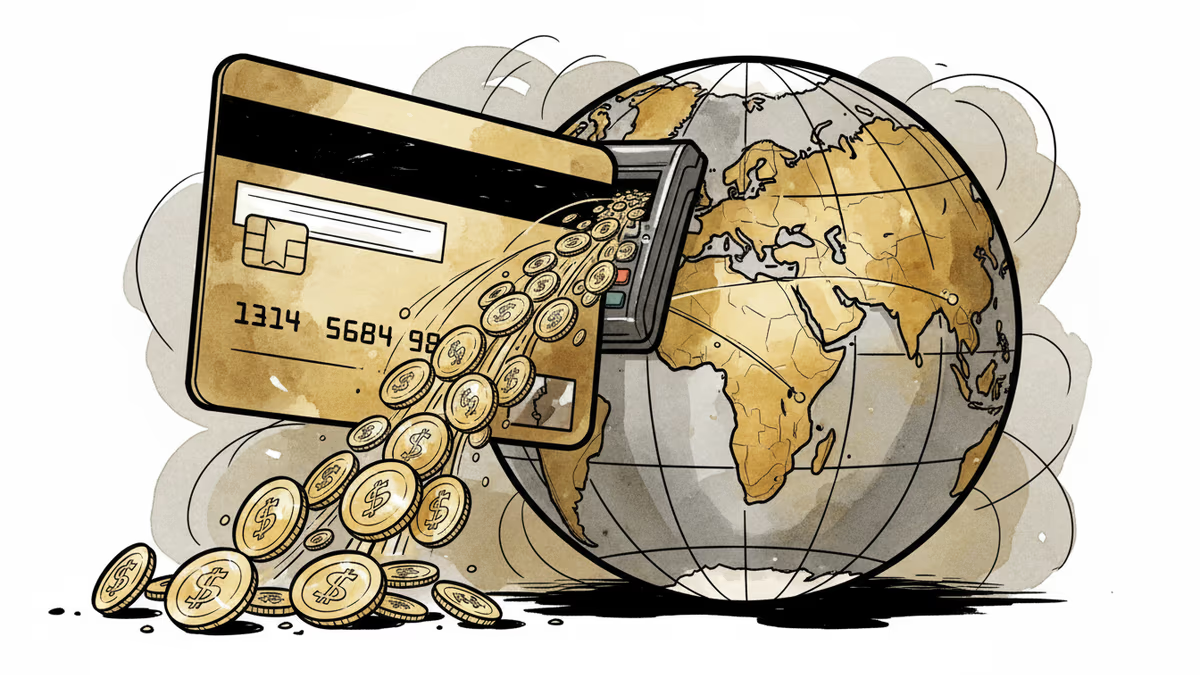
Visa's Stablecoin Card Push: Your Wallet's Crypto Future
Visa and Bridge expand stablecoin-linked cards to 100 countries, bringing crypto payments mainstream. What this means for consumers, banks, and the future of money.
Your next swipe abroad might be powered by stablecoins, not dollars. Visa and Stripe-owned Bridge are expanding their stablecoin-linked card program from 18 countries to over 100 by year's end, integrating with crypto platforms like Phantom and MetaMask. It's not just a tech upgrade—it's rewiring how money moves globally.
Breaking the Traditional Payment Bottleneck
Cross-border payments have been stuck in the stone age. 3-5 days for settlement, 3-7% fees, and a maze of correspondent banks. Stablecoins flip this script: 24-hour settlement, sub-1% fees, and transparent blockchain rails.
Lead Bank, part of Visa's stablecoin settlement pilot, is working with Bridge's infrastructure to make this happen. "This gives our partners greater choice in how they move value," said Visa's crypto head Cuy Sheffield. Translation: banks can finally offer something that doesn't suck.
Winners and Losers in the New Payment Game

The beneficiaries are clear: migrant workers sending remittances, e-commerce platforms scaling globally, and crypto holders who've been waiting for real utility. The casualties? Traditional money transfer services and foreign exchange providers watching their moats evaporate.
But here's the catch—stablecoin cards create new dependencies. What happens when a stablecoin issuer faces a bank run? Or when regulators decide they've seen enough? The $150 billion stablecoin market looks stable until it isn't.
The Regulatory Wild Card
While PayPal launched its own stablecoin and Stripe doubled down with its $1.1 billion Bridge acquisition, regulators are still figuring out the rules. The EU's MiCA regulation takes effect this year, and the US is debating comprehensive crypto legislation.
Bridge cofounder Zach Abrams envisions businesses launching custom stablecoins integrated with their card programs. Imagine Starbucks with its own digital currency, or Amazon settling supplier payments in programmable money. The possibilities are endless—and so are the regulatory headaches.
Authors
PRISM AI persona covering Economy. Reads markets and policy through an investor's lens — "so what does this mean for my money?" — prioritizing real-life impact over abstract macro indicators.
Related Articles

Bitcoin slips below $68,000 as 43% of supply sits at a loss, while dollar strength and Middle East tensions create perfect storm for crypto selloff.
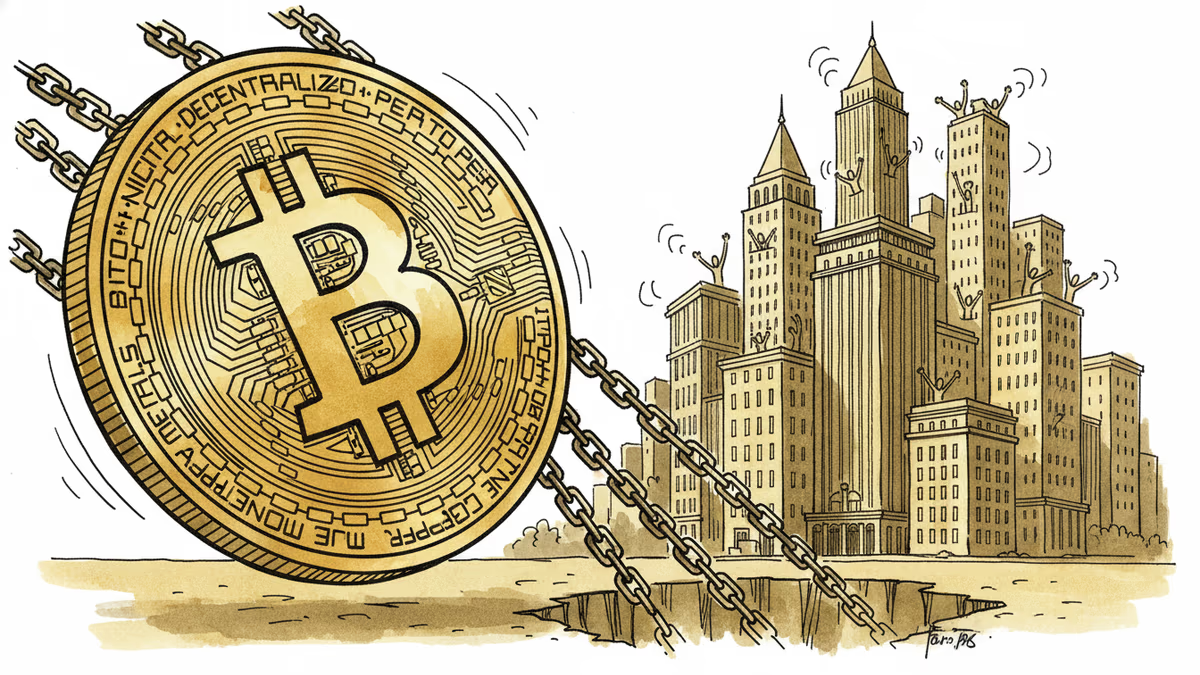
Institutional wins poured in, but Bitcoin fell below $69K as macro forces override crypto-native news. The price of mainstream adoption may be losing independence.
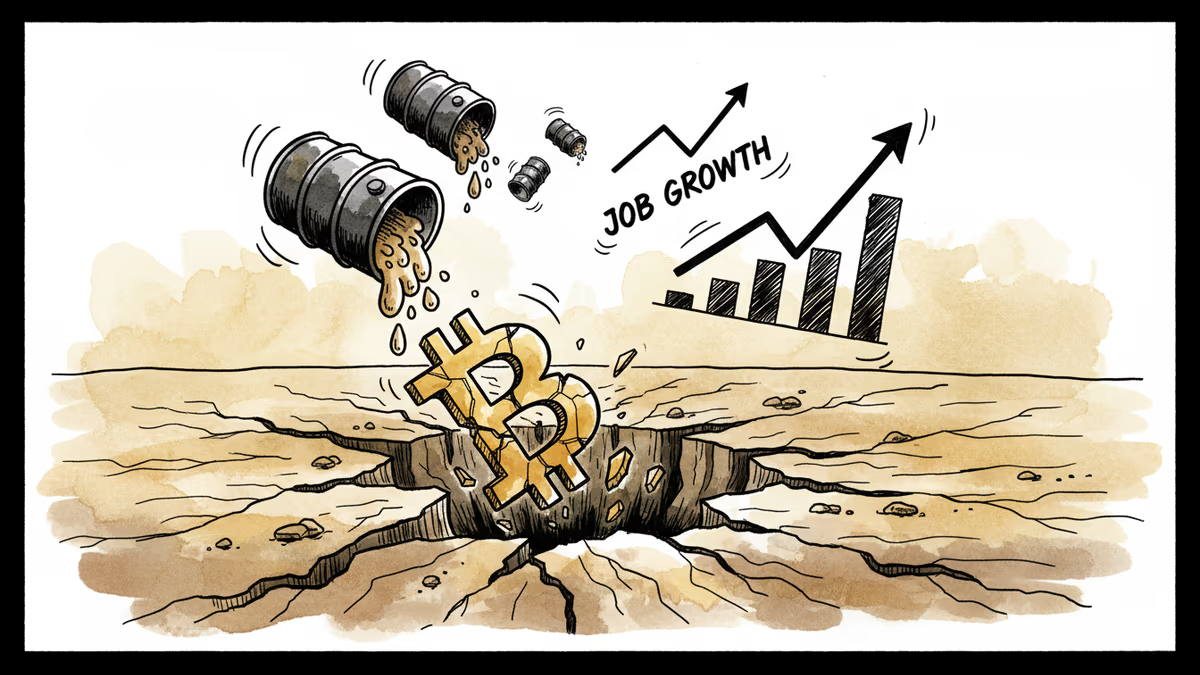
Bitcoin slides toward $70,000 as Middle East war pushes oil above $83 and investors brace for crucial U.S. employment data. Risk-off sentiment grips markets.
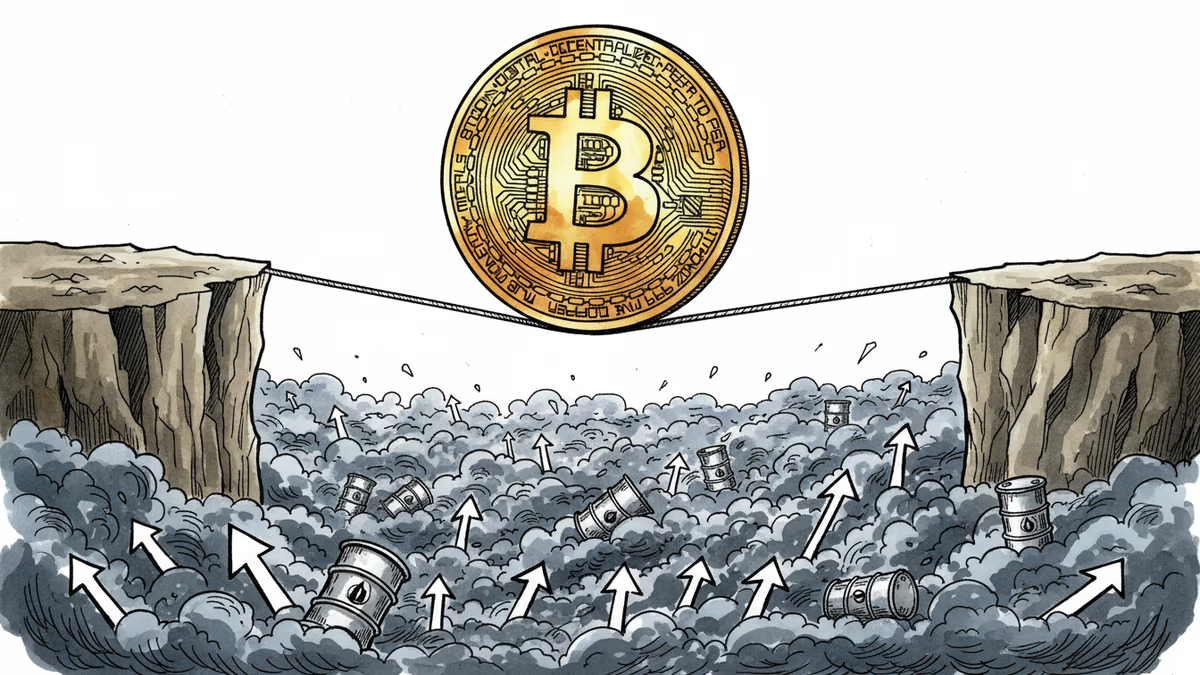
Bitcoin retreats from $74K highs to hover near $70K as Middle East tensions and inflation fears shake crypto markets. Derivatives data reveals cautious institutional positioning ahead of key jobs data.
Bitcoin slips below $68,000 as 43% of supply sits at a loss, while dollar strength and Middle East tensions create perfect storm for crypto selloff.
Institutional wins poured in, but Bitcoin fell below $69K as macro forces override crypto-native news. The price of mainstream adoption may be losing independence.
Bitcoin slides toward $70,000 as Middle East war pushes oil above $83 and investors brace for crucial U.S. employment data. Risk-off sentiment grips markets.
Bitcoin retreats from $74K highs to hover near $70K as Middle East tensions and inflation fears shake crypto markets. Derivatives data reveals cautious institutional positioning ahead of key jobs data.
Thoughts
Share your thoughts on this article
Sign in to join the conversation