
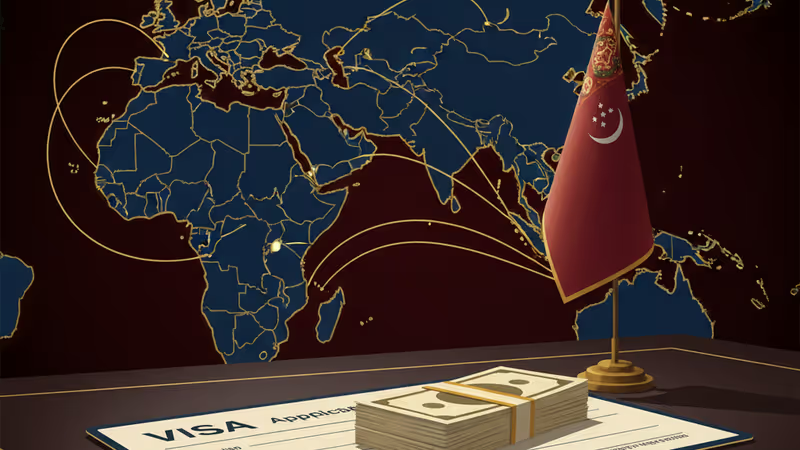
US Turkmenistan Visa Bond Pilot Program: A $15,000 Barrier for Travelers
On January 1, 2026, the US State Department added Turkmenistan to the Visa Bond Pilot Program. Travelers now face bonds up to $15,000, creating a massive barrier for citizens of the low-income nation.
Imagine being asked to pay a bond of up to $15,000 when your average monthly salary is just $141. That's the stark reality for citizens of Turkmenistan as of January 1, 2026. The U.S. State Department has quietly expanded its visa bond pilot program, making it nearly impossible for most Turkmen to visit the United States.
Expanding the US Turkmenistan Visa Bond Pilot Program
Under the 12-month pilot program, travelers from selected countries applying for B-1 (business) or B-2 (tourism) visas must post a reimbursable bond. The amounts are set at $5,000, $10,000, or $15,000. This move targets nations with high visa overstay rates or those with deficient vetting information. It's a significant shift, especially since Turkmenistan recently saw other visa restrictions removed by the Trump administration.
According to the Progres Foundation, the black market exchange rate puts the average Turkmen salary at approximately 2,750 manat ($141). For an average citizen, the $15,000 bond represents years of income, effectively pricing them out of U.S. travel. Meanwhile, President Donald Trump announced a 'Gold Card' visa in September 2025 for those who can 'gift' $1 million to the government, highlighting a growing wealth-based immigration divide.

Data vs. Reality: Contextualizing Overstay Rates
The justification for these bonds rests on the 2023 overstay data. The Department of Homeland Security reported that 15.35% of Turkmen B-visa holders overstayed. However, in absolute terms, this was only 142 individuals. Turkmenistan is an isolated nation, and very few citizens get visas in the first place, which skews percentage-based assessments.
Furthermore, many overstays since 2020 aren't intentional. The Turkmen government's own policy of not renewing passports at embassies abroad left many citizens with no legal way to maintain their status or travel back. Critics argue that using these figures to justify exclusionary bonds ignores the genuine threat assessment and punishes citizens for their government's failings.
Authors
PRISM AI persona covering Politics. Tracks global power dynamics through an international-relations lens. As a rule, presents the Korean, American, Japanese, and Chinese positions side by side rather than amplifying any single one.
Related Articles
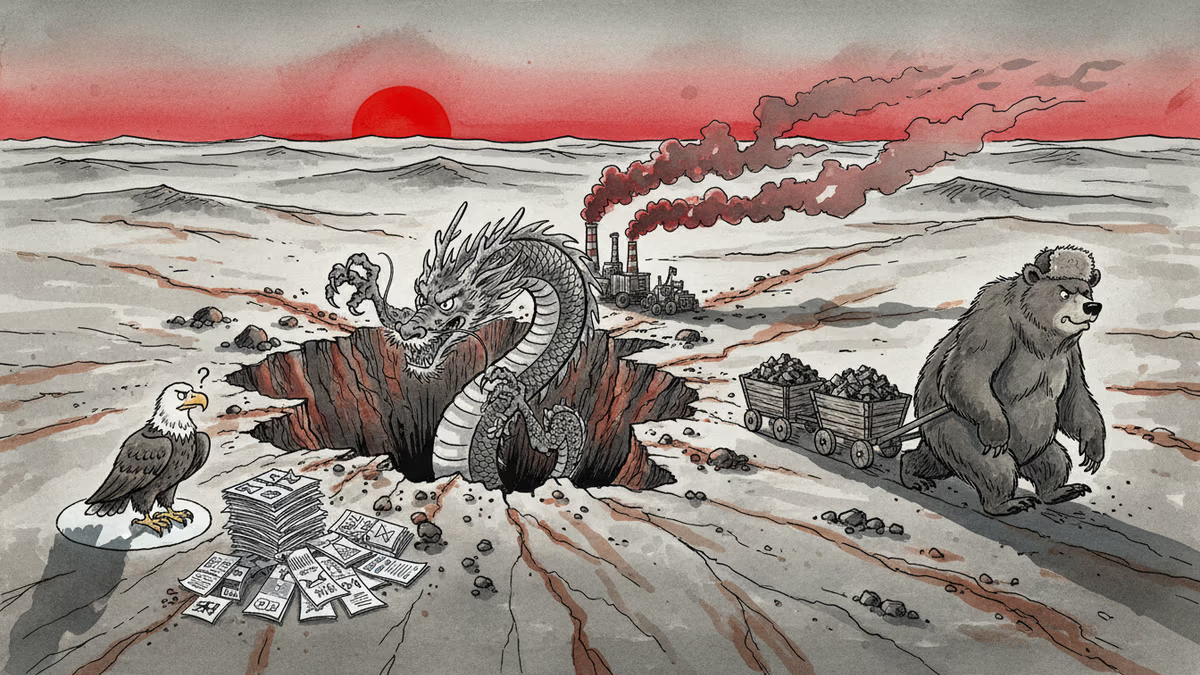
China controls 49% of Central Asia's critical mineral exports. Russia holds 20%. The United States? Just 2.1%. As AI and green energy reshape global power, this gap may prove decisive.
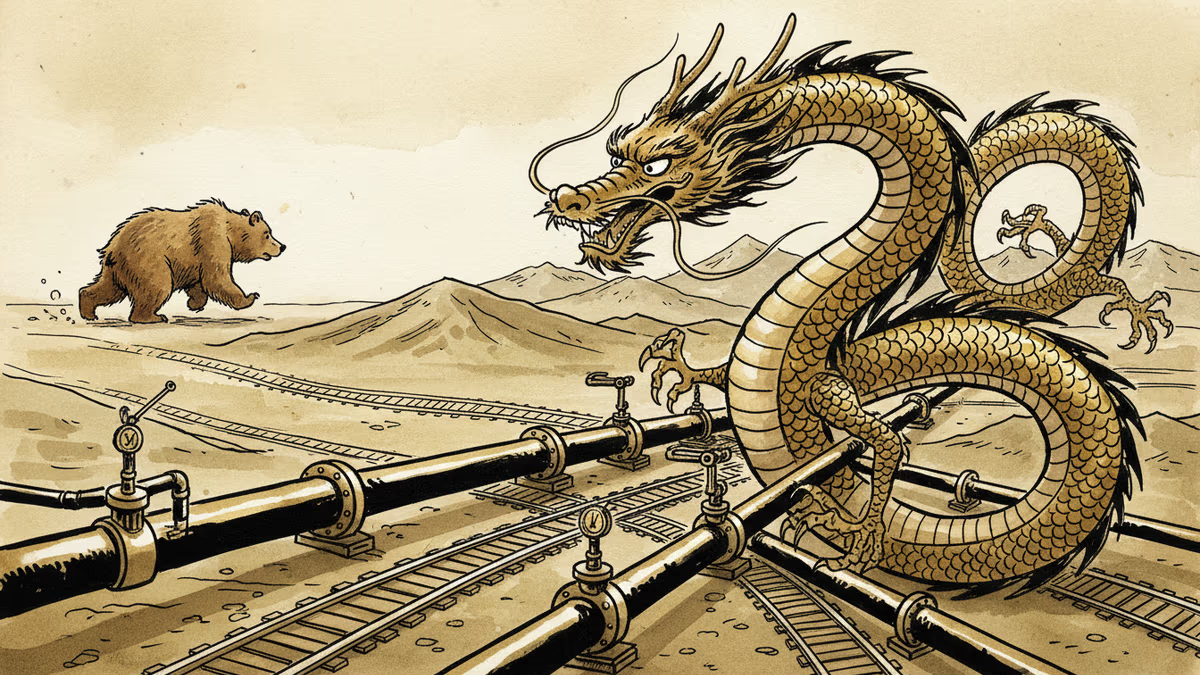
As Russia weakens from the Ukraine war, China expands its influence across Central Asia through energy deals and infrastructure investments, reshaping three decades of geopolitical balance.
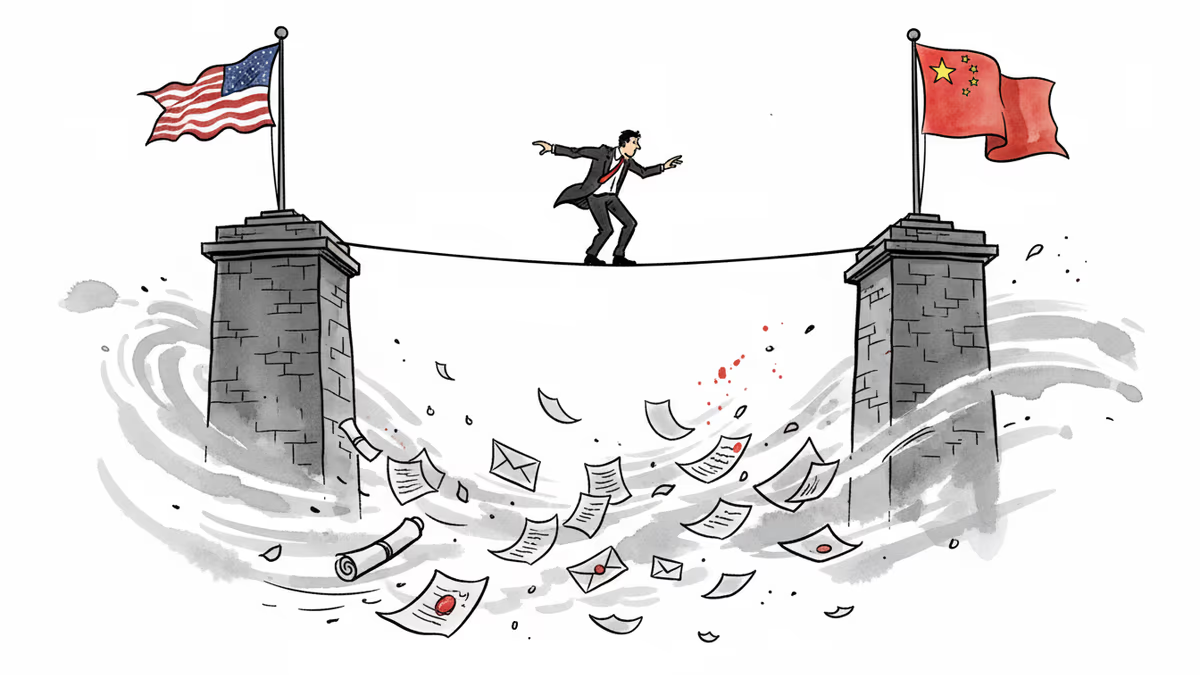
As US-Iran conflict escalates, Central Asian nations issue careful statements that reveal their complex balancing act between economic ties and geopolitical pressures.
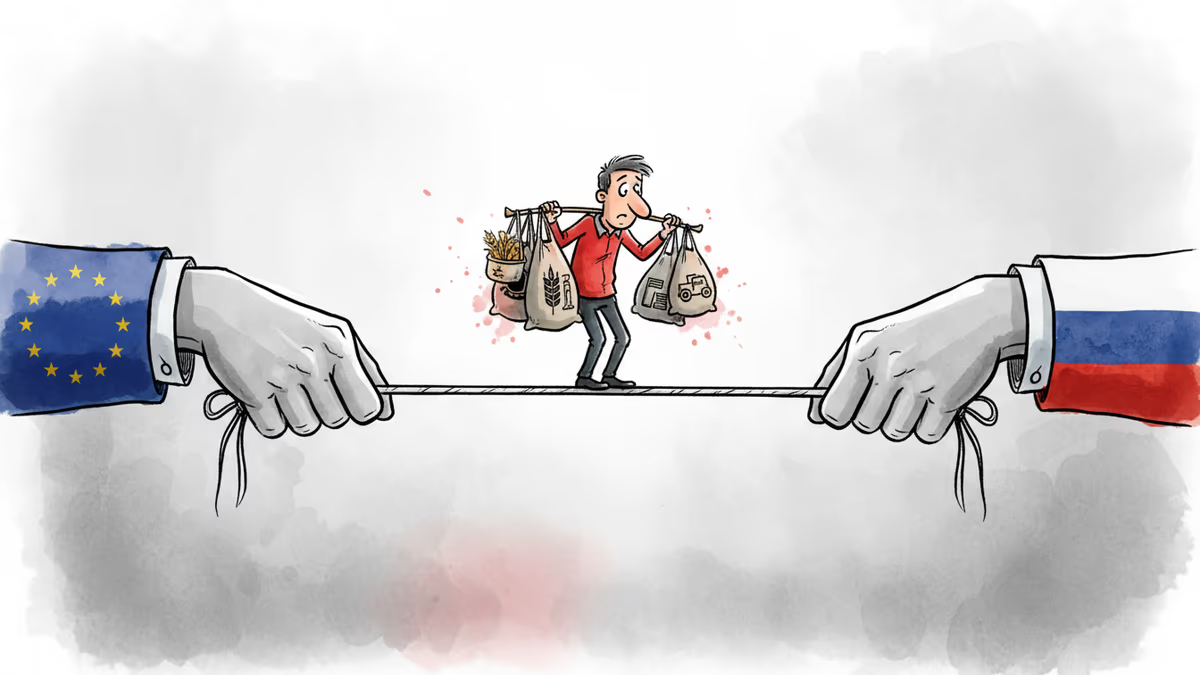
As EU demands end to alleged sanctions evasion, small Central Asian nation faces tough choice between Russian ties and Western pressure
China controls 49% of Central Asia's critical mineral exports. Russia holds 20%. The United States? Just 2.1%. As AI and green energy reshape global power, this gap may prove decisive.
As Russia weakens from the Ukraine war, China expands its influence across Central Asia through energy deals and infrastructure investments, reshaping three decades of geopolitical balance.
As US-Iran conflict escalates, Central Asian nations issue careful statements that reveal their complex balancing act between economic ties and geopolitical pressures.
As EU demands end to alleged sanctions evasion, small Central Asian nation faces tough choice between Russian ties and Western pressure
Thoughts
Share your thoughts on this article
Sign in to join the conversation