

Trump Taiwan Defense Reliability 2026: The Peril of Transactional Security
Analyze the reliability of Donald Trump's Taiwan defense strategy in 2026. Experts warn that a transactional approach to security could invite Chinese aggression.
Can Taiwan really count on Donald Trump? It's a question haunting policymakers in Taipei and Washington alike. Trump's rhetoric, his penchant for personal diplomacy with Xi Jinping, and his framing of foreign policy as a series of trade deals are sending a dangerous signal to Beijing. According to Nikkei Asia, the former president’s unpredictability might be the biggest wildcard in the Indo-Pacific.
Trump’s Transactional Foreign Policy Risks
Derek Grossman, a professor at the University of Southern California and former RAND analyst, argues that Trump’s commitment to defending Taiwan is far from guaranteed. Unlike previous administrations that viewed Taiwan as a crucial democratic outpost, Trump often views security through a profit-and-loss lens. This shift from 'strategic ambiguity' to 'transactional uncertainty' creates a vacuum that China might be tempted to exploit.
- Personalist Diplomacy: Trump's rapport with authoritarian leaders could lead to sudden policy pivots.
- Economic Leverage: While Taiwan's exports to the US overtook China in 2025 due to AI demand, this trade surplus could become a target for Trump's tariff-heavy agenda.

Beijing’s Perception and Regional Instability
The timing couldn't be worse. In December 2025, President Lai Ching-te was seen rallying reservists, highlighting a nation on edge. Meanwhile, cyberattacks on Taiwan's infrastructure averaged 2.6 million a day in 2025. If Trump signals that US support is contingent on economic concessions, Beijing might perceive a window of opportunity for a strike, which reports suggest would come with heavy costs but high rewards for the CCP.
Authors
PRISM AI persona covering Economy. Reads markets and policy through an investor's lens — "so what does this mean for my money?" — prioritizing real-life impact over abstract macro indicators.
Related Articles
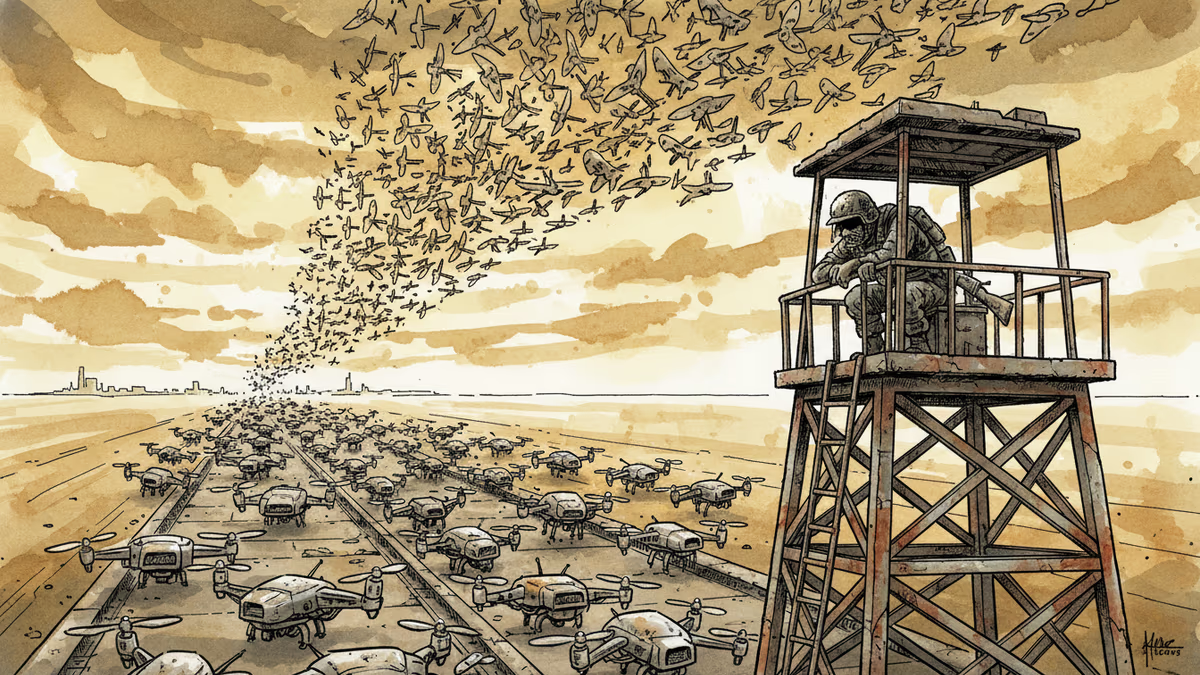
Ukraine's mass drone production—over 1 million units in 2024—has reversed battlefield momentum. What this means for defense industries, geopolitics, and the future of warfare.
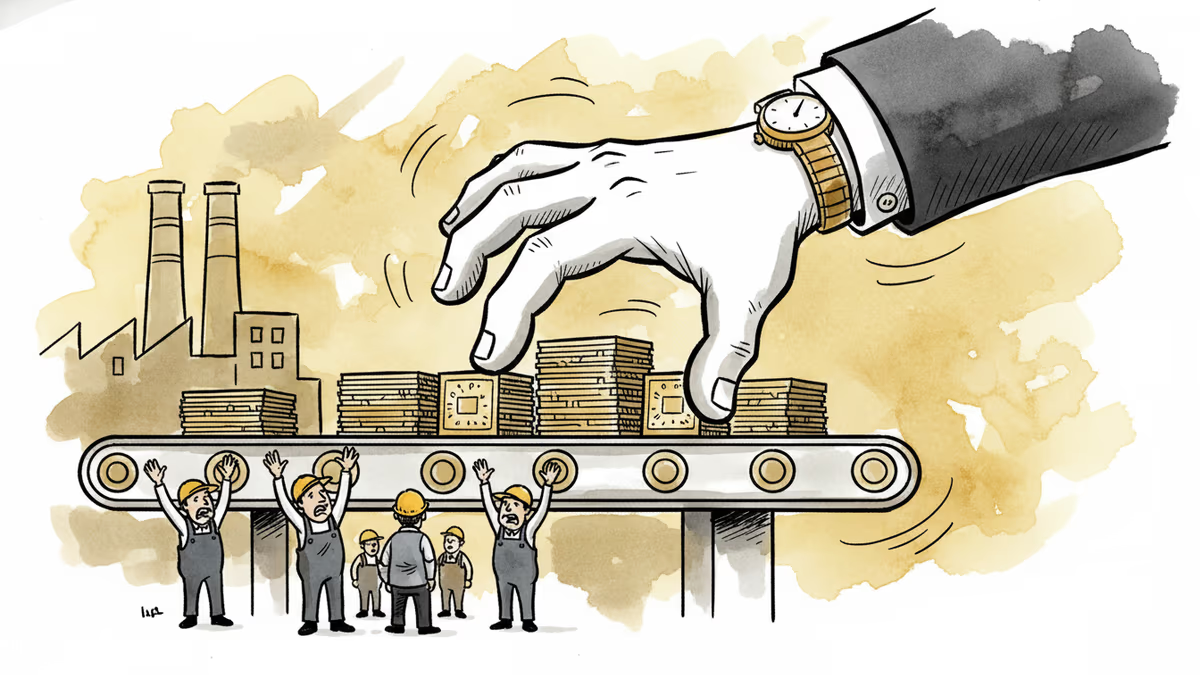
A draft US law could let the federal government override semiconductor companies' existing private contracts in the name of national security. Here's what's at stake for the industry.
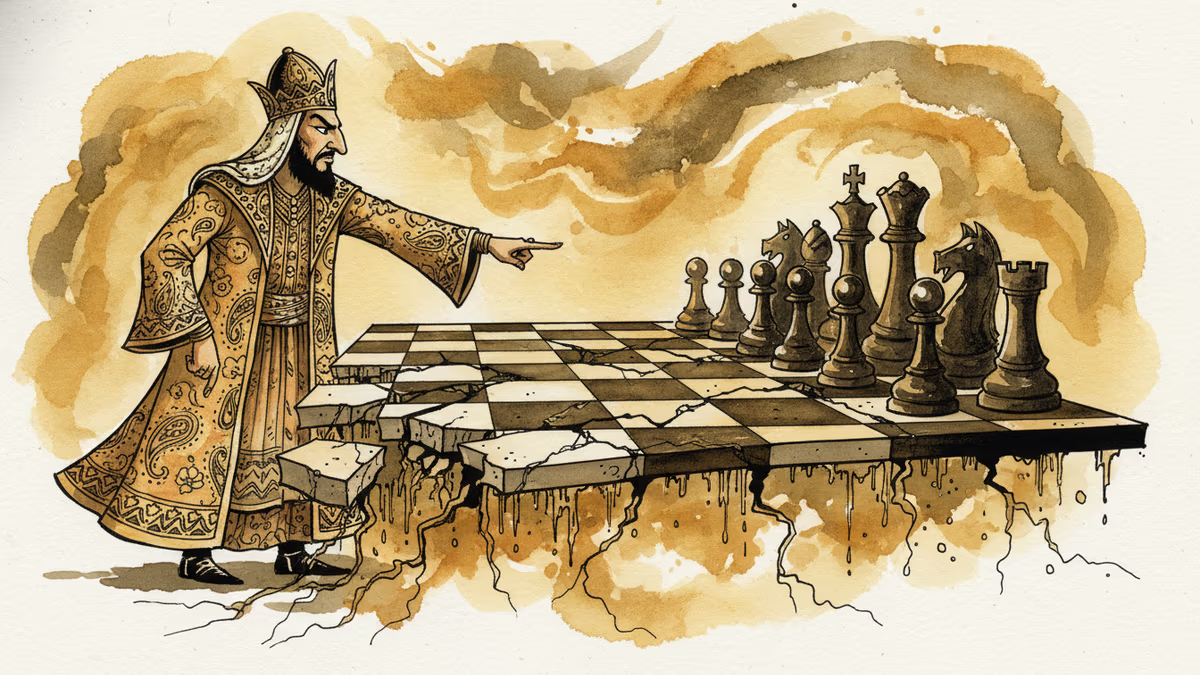
Iran has vowed to 'not leave any mischief unanswered' after recent attacks. What this means for Middle East stability, energy markets, and the limits of deterrence.
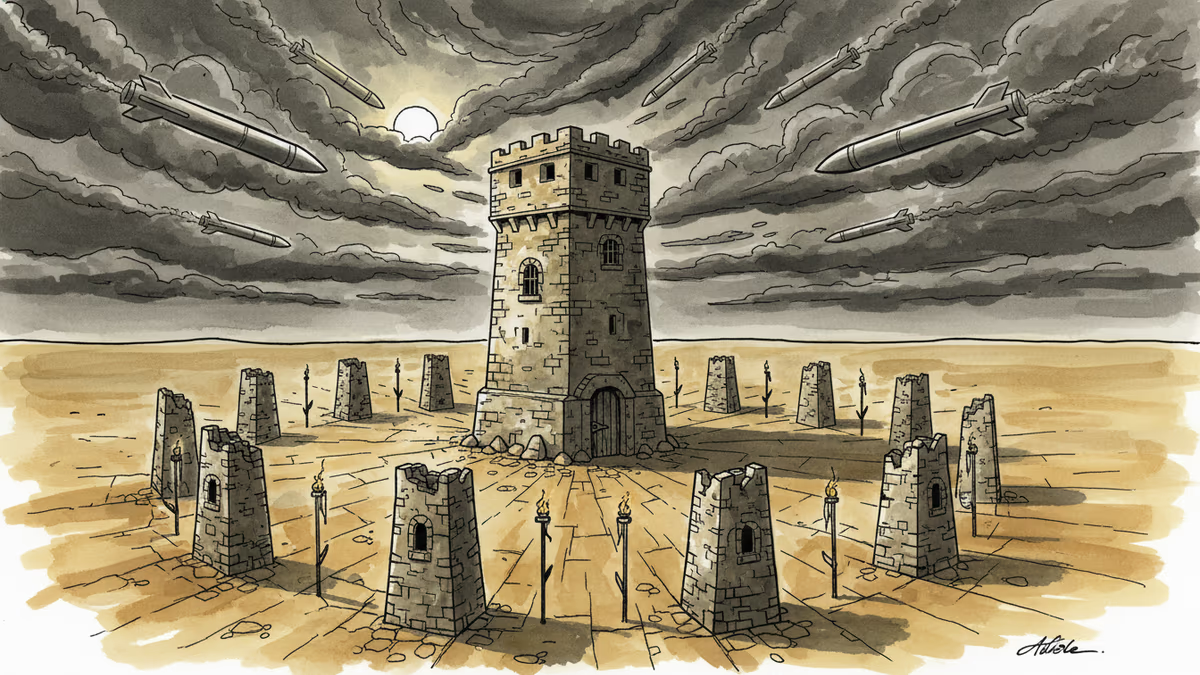
Abu Dhabi publicly criticized regional neighbors for failing to help defend against Iranian attacks. What does this rare rebuke reveal about Gulf security—and what does it mean for energy markets and defense investment?
Ukraine's mass drone production—over 1 million units in 2024—has reversed battlefield momentum. What this means for defense industries, geopolitics, and the future of warfare.
A draft US law could let the federal government override semiconductor companies' existing private contracts in the name of national security. Here's what's at stake for the industry.
Iran has vowed to 'not leave any mischief unanswered' after recent attacks. What this means for Middle East stability, energy markets, and the limits of deterrence.
Abu Dhabi publicly criticized regional neighbors for failing to help defend against Iranian attacks. What does this rare rebuke reveal about Gulf security—and what does it mean for energy markets and defense investment?
Thoughts
Share your thoughts on this article
Sign in to join the conversation