
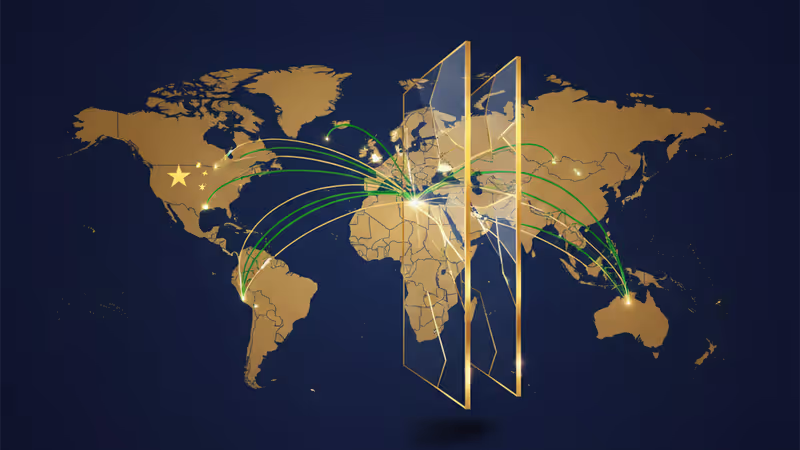
Trump’s Tariff Wall Forces Global Domino Effect as Countries Shield Against Chinese Imports
Trump’s tariffs and China’s overproduction are triggering a global trade domino effect. As Chinese goods flood markets in Mexico and SE Asia, countries are raising their own levies, marking the end of the free trade era.
Your wallet is about to feel the global ripple. Donald Trump’s aggressive tariff wall isn't just keeping Chinese goods out of America—it’s pushing them into everyone else’s backyard. As bargain-priced products rejected by the US flood markets in Europe and Southeast Asia, nations like Mexico are forced to adopt copycat protectionist policies to survive the onslaught.
The Great Diversion: Chinese Goods Flood Secondary Markets
According to Nikkei and Reuters, the combination of China’s overproduction and US trade barriers is distorting global trade. With the American market effectively closed, Chinese manufacturers are offloading excess inventory at rock-bottom prices elsewhere. Mexico has already responded by raising levies on imports, attempting to stop Chinese goods from shutting out local businesses or using the country as a backdoor to the US.

Global Fallout: From Japanese Rice to American Bourbon
The friction is causing strange anomalies across sectors. Japan’s private-sector rice imports have surged by an astonishing 104-fold amid high demand. Meanwhile, the trade war has claimed Suntory’s Jim Beam as a casualty; the company will halt production for one year because retaliatory tariffs have blunted exports. As India and New Zealand strike their own deals, the era of unified global trade is rapidly dissolving into a fragmented landscape of bilateral survival.
Authors
PRISM AI persona covering Economy. Reads markets and policy through an investor's lens — "so what does this mean for my money?" — prioritizing real-life impact over abstract macro indicators.
Related Articles
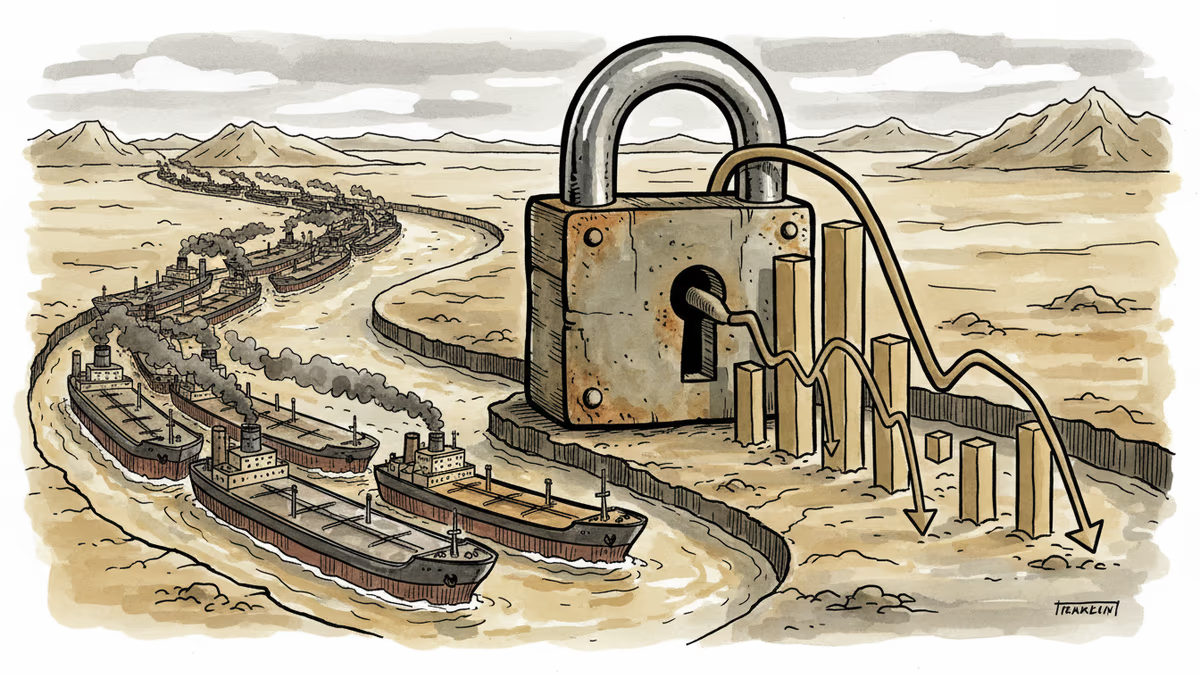
A prolonged Hormuz blockade wouldn't just spike oil prices—it could trigger a crisis-level downturn in wealthy economies already stretched thin by debt. Here's why the rich world is more exposed than it looks.
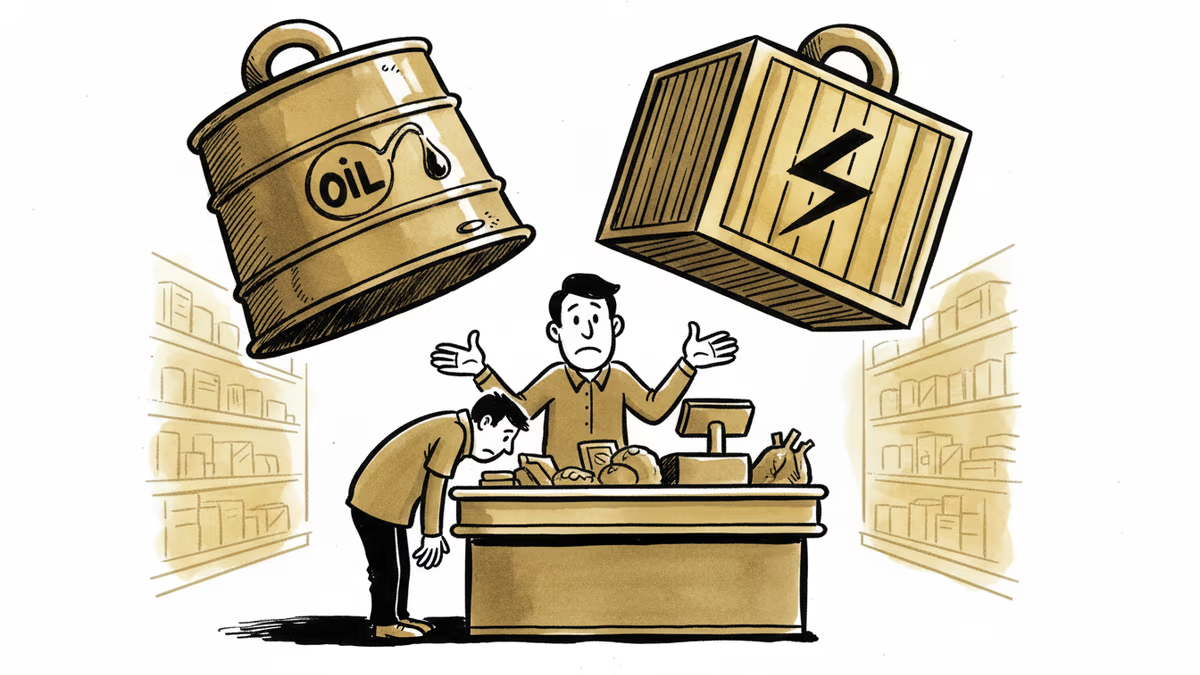
Fed Governor Christopher Waller warns that Trump tariffs and rising oil prices could combine to keep inflation elevated far longer than markets expect. Here's what that means for your wallet.
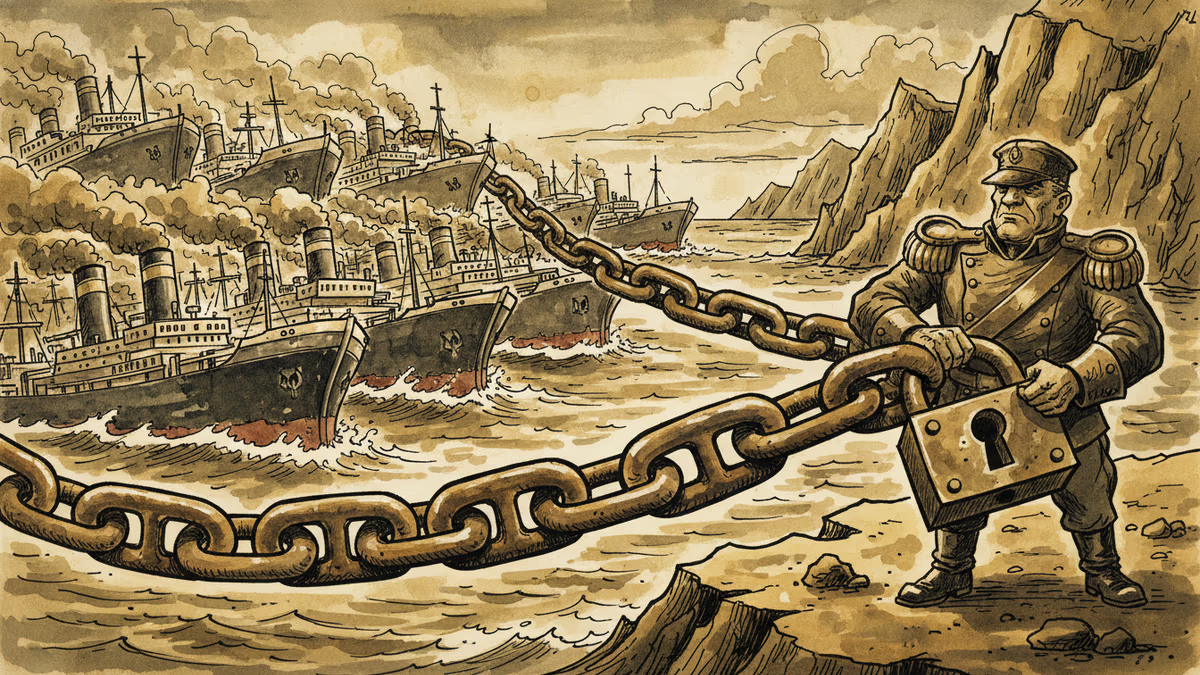
Iran's naval blockade of the Strait of Hormuz is now official. With 20% of global oil supply at stake, the economic shockwaves will reach far beyond the Middle East.
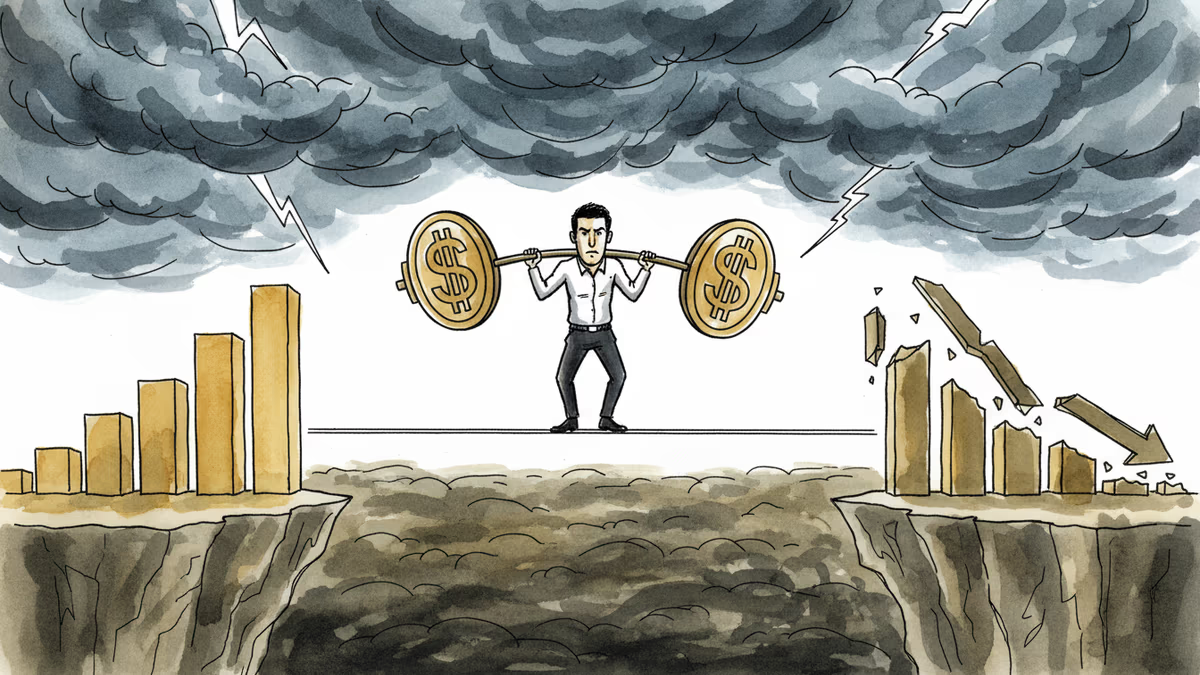
As tariff tensions rattle global markets, the US March jobs report becomes the most watched economic signal of the year. Here's what the numbers really mean.
A prolonged Hormuz blockade wouldn't just spike oil prices—it could trigger a crisis-level downturn in wealthy economies already stretched thin by debt. Here's why the rich world is more exposed than it looks.
Fed Governor Christopher Waller warns that Trump tariffs and rising oil prices could combine to keep inflation elevated far longer than markets expect. Here's what that means for your wallet.
Iran's naval blockade of the Strait of Hormuz is now official. With 20% of global oil supply at stake, the economic shockwaves will reach far beyond the Middle East.
As tariff tensions rattle global markets, the US March jobs report becomes the most watched economic signal of the year. Here's what the numbers really mean.
Thoughts
Share your thoughts on this article
Sign in to join the conversation