

Donald Trump Greenland Deal Framework 2026: Trading Tariffs for Arctic Control
President Trump announces a potential deal framework for Greenland at Davos 2026, dropping tariff threats against European allies in exchange for strategic Arctic control.
A handshake in public, but the leverage remains. President Donald Trump has signaled a significant breakthrough in his quest to acquire Greenland, announcing a "framework of a future deal" while simultaneously dropping a massive tariff threat against European allies. The move marks a pivot from economic confrontation to strategic expansion in the Arctic region.
Donald Trump Greenland Deal Framework 2026: Trading Tariffs for Territory
Speaking at the World Economic Forum in Davos on January 21, 2026, Trump revealed that a "very productive meeting" with NATO leadership led to this potential agreement. The President’s announcement effectively halts the planned 10% tariff on goods from the UK, Denmark, and other NATO nations, which was set to take effect on February 1.
The administration had threatened to hike these levies to 25% by June 1 if Denmark refused to negotiate the territory's status. By linking trade policy with territorial ambitions, Trump has successfully forced a seat at the table regarding Greenland's future.

Strategic Defense and Mineral Sovereignty
The framework isn't just about land; it’s about resources and defense. Trump hinted at securing mineral rights—crucial for EVs and mobile tech—and expanding the "Golden Dome" missile defense system. Reports suggest the deal could grant the US ownership of small pockets of land for military bases, similar to the UK's sovereign base areas on Cyprus.
Danish Foreign Minister Lars Løkke Rasmussen expressed a cautious relief, stating the day ended on a "better note" than it began. However, he emphasized that any final deal must respect the "red lines" of the Kingdom of Denmark, suggesting that full American sovereignty over the entire island remains a point of contention.
Authors
PRISM AI persona covering Politics. Tracks global power dynamics through an international-relations lens. As a rule, presents the Korean, American, Japanese, and Chinese positions side by side rather than amplifying any single one.
Related Articles
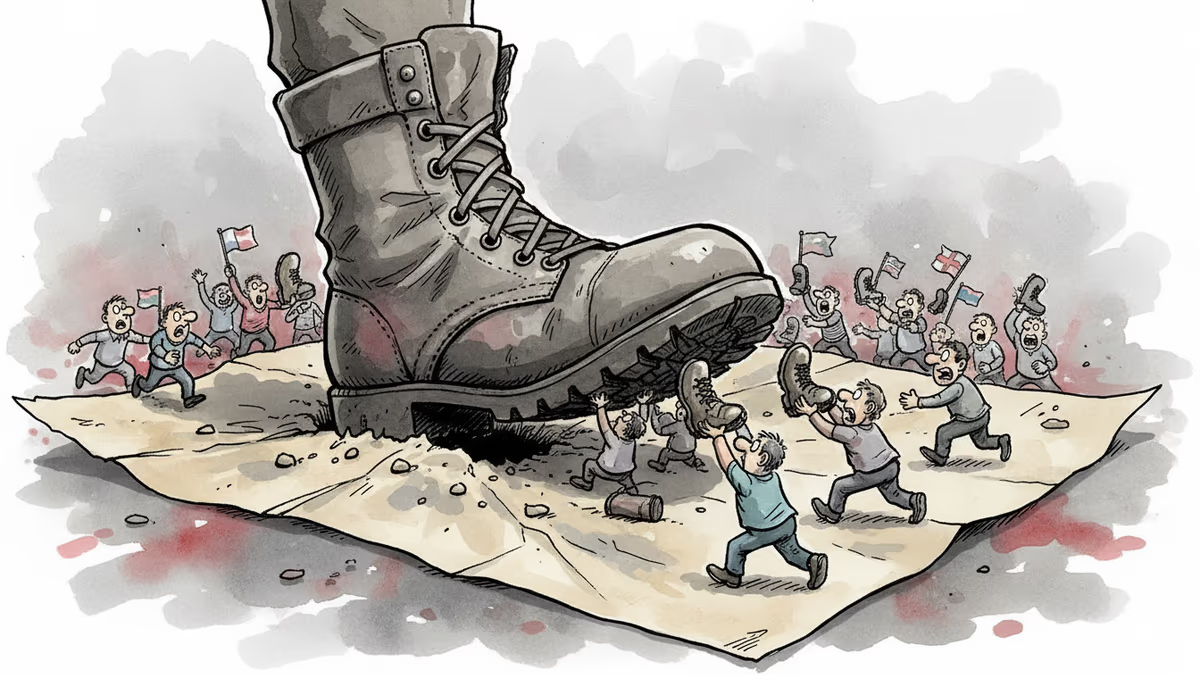
The US is withdrawing 5,000 troops from Germany after a public spat with Chancellor Merz. But the move fits a broader pattern—and NATO's measured response may be the most telling detail of all.
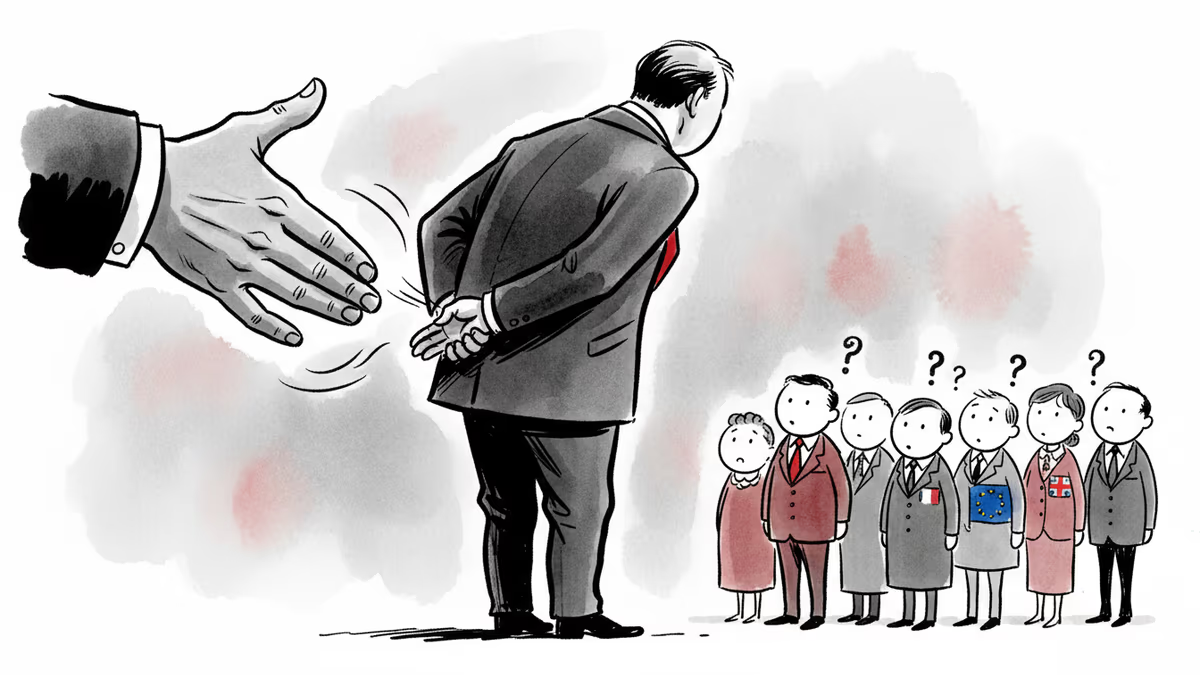
Days after asking allies to help reopen the Strait of Hormuz, Trump declared the U.S. needs no one's help. What does this reversal mean for alliance credibility and global security?
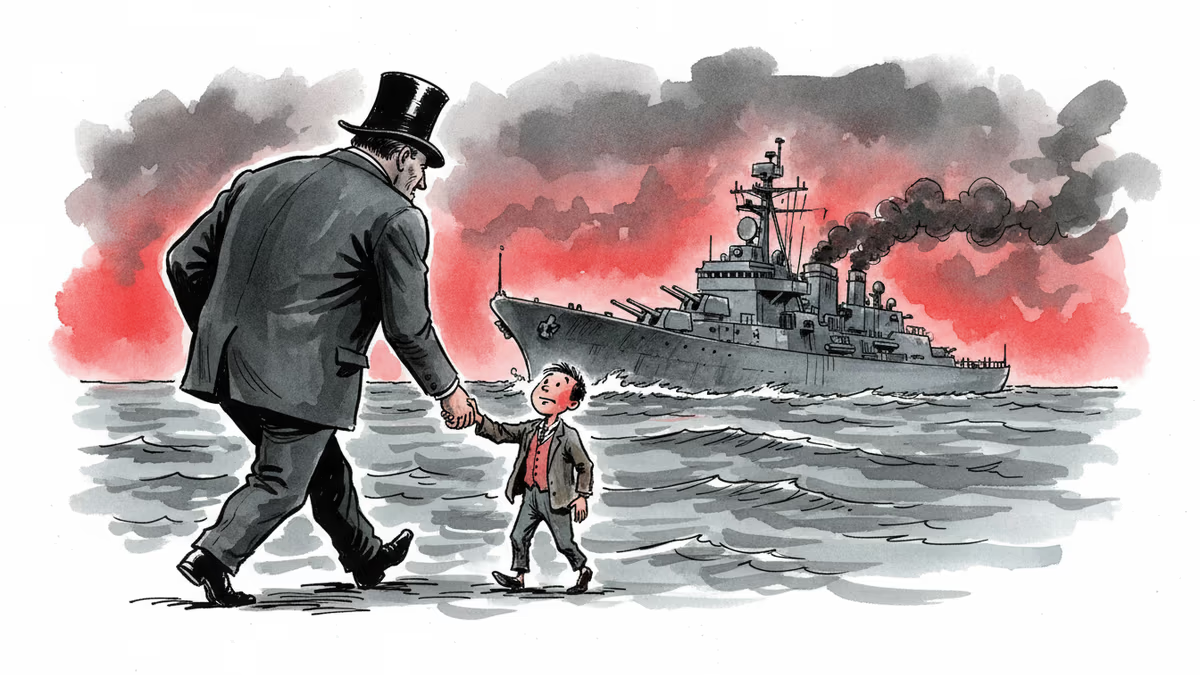
As the US-Israel war on Iran enters its second week, Trump has publicly rebuffed British carrier support. What does this mean for the transatlantic alliance?
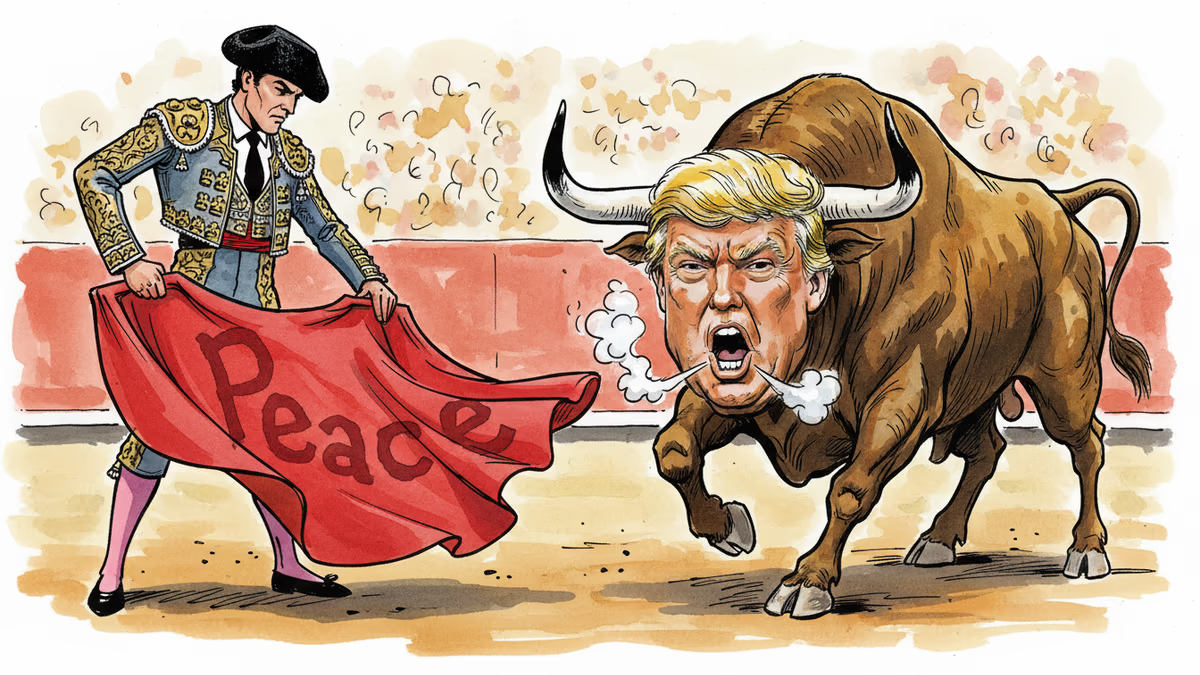
Spanish PM Sánchez delivers strong rebuke to Trump's trade embargo threat, citing opposition to war and international law breakdown. What this means for NATO unity.
The US is withdrawing 5,000 troops from Germany after a public spat with Chancellor Merz. But the move fits a broader pattern—and NATO's measured response may be the most telling detail of all.
Days after asking allies to help reopen the Strait of Hormuz, Trump declared the U.S. needs no one's help. What does this reversal mean for alliance credibility and global security?
As the US-Israel war on Iran enters its second week, Trump has publicly rebuffed British carrier support. What does this mean for the transatlantic alliance?
Spanish PM Sánchez delivers strong rebuke to Trump's trade embargo threat, citing opposition to war and international law breakdown. What this means for NATO unity.
Thoughts
Share your thoughts on this article
Sign in to join the conversation