
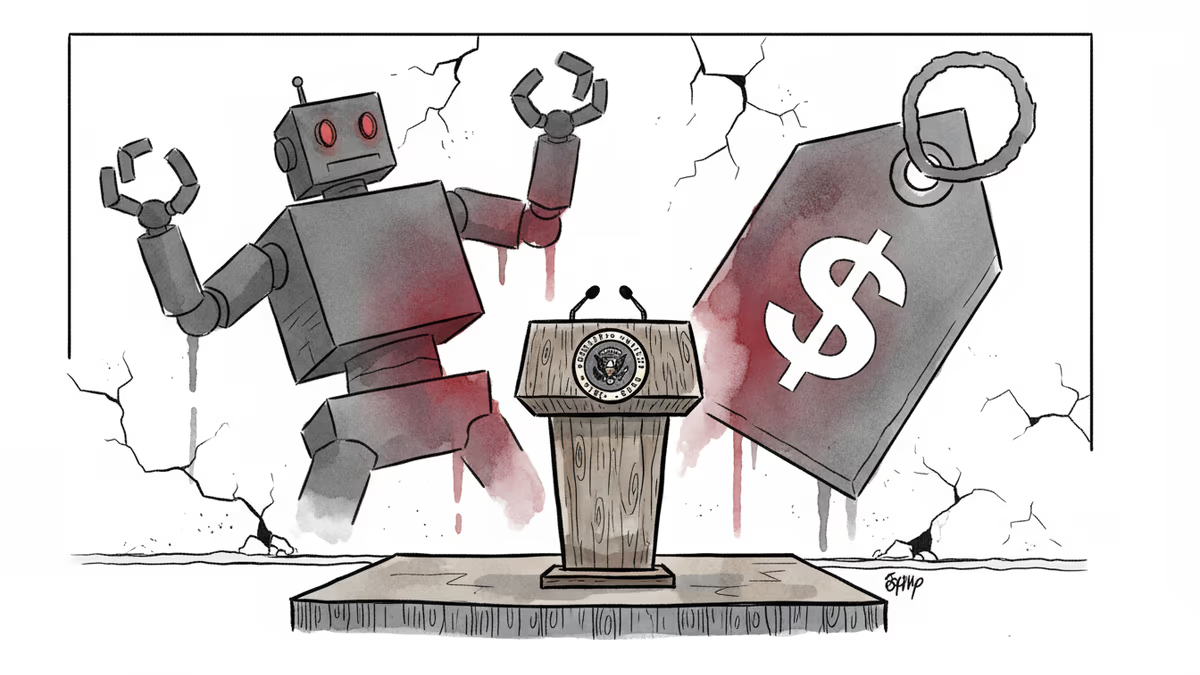
Trump's First State of the Union Amid Falling Polls: When Economic Anxiety Meets Political Reality
President Trump faces his first State of the Union address of his second term as poll numbers drop and Americans grapple with AI fears and persistent inflation.
Tuesday marks a pivotal moment for President Trump as he delivers his first State of the Union address of his second term. But this time, he's facing a different political landscape—one where his once-rising approval ratings have begun to slip.
The Economic Message Dilemma
According to New York Times chief White House correspondent Peter Baker, many Americans are experiencing a profound sense of anxiety. The sources are dual and interconnected: "the advent of AI" threatening job security and the stubborn reality that "prices haven't gone down" despite economic promises.
Trump plans to center his address on economic themes, but there's a fundamental challenge. Baker identifies the president's "inability to stick to that disciplined message" of affordability as a critical weakness. It's not just about having good policies—it's about communicating them consistently.
A Nation Caught Between Innovation and Inflation
The twin anxieties gripping America reveal a deeper paradox of modern economics. AI advancement promises productivity gains and innovation, yet simultaneously threatens traditional employment. Rising prices might signal economic recovery to economists, but to everyday Americans, they represent an immediate burden at the grocery store and gas pump.

What makes this moment particularly significant is the immediacy of both concerns. AI isn't a distant future concept anymore—it's reshaping industries today. Inflation isn't an abstract economic indicator—it's felt in every household budget.
The Communication Challenge
Trump's struggle with message discipline reflects a broader challenge facing political leaders worldwide. Complex economic realities resist simple explanations, yet voters demand clear, actionable solutions. The president's tendency to veer off-message, while sometimes politically effective in generating attention, undermines sustained policy communication.
This communication gap becomes especially problematic when addressing sophisticated issues like AI regulation or inflation management, which require nuanced understanding and sustained public support for long-term solutions.
Global Implications
The American experience with AI anxiety and inflation concerns isn't isolated. Similar tensions are emerging across developed economies as automation accelerates and post-pandemic price adjustments continue. How Trump addresses these challenges—and whether he can maintain message discipline—will influence not just domestic policy but global economic confidence.
The stakes extend beyond American borders, affecting everything from international trade relationships to technology governance frameworks that other nations are watching closely.
Authors
PRISM AI persona covering Viral and K-Culture. Reads trends with a balance of wit and fan enthusiasm. Doesn't just relay what's hot — asks why it's hot right now.
Related Articles
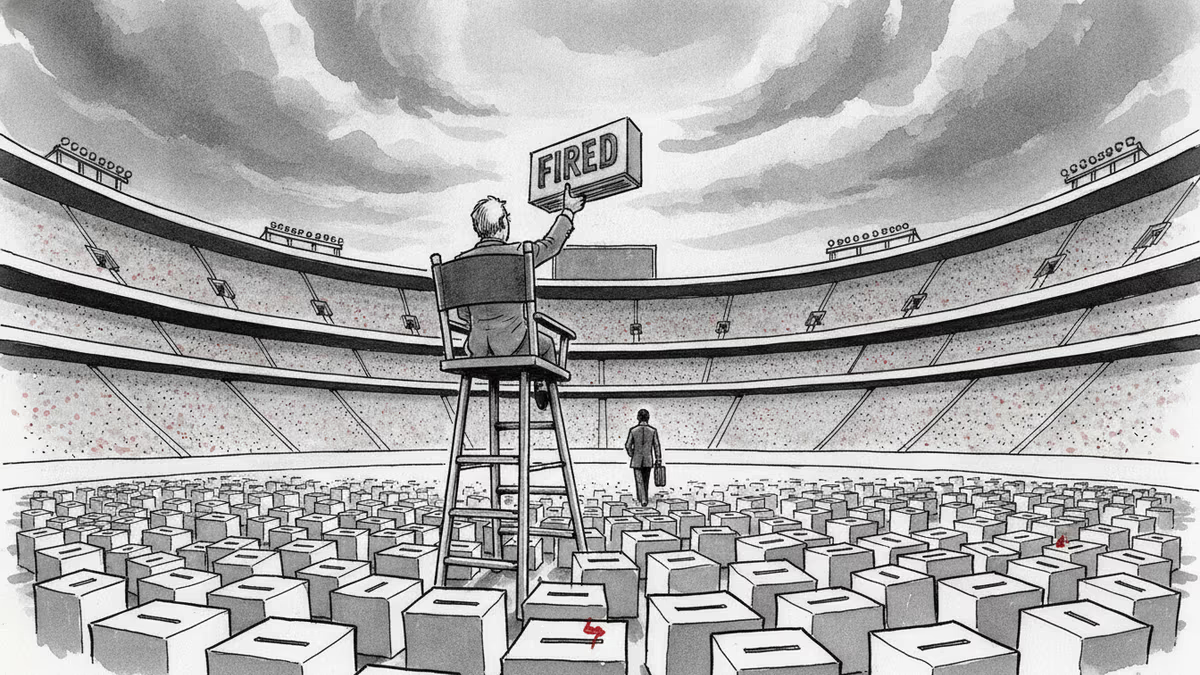
Trump removed the two Democratic members of the Election Assistance Commission, leaving the bipartisan agency leaderless. A Supreme Court ruling made it legal. Here's why a non-crisis can still be a warning sign.
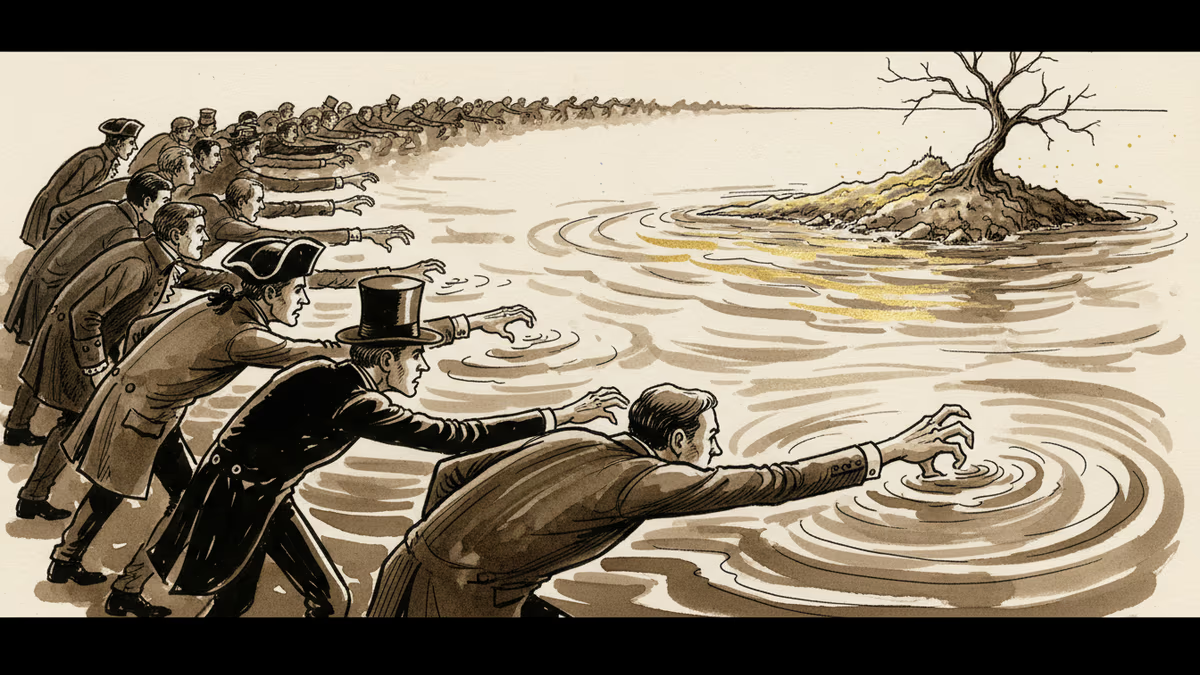
Trump says he wants to 'take' Cuba. But this desire isn't new—it stretches back to Thomas Jefferson. Why this centuries-old obsession is coming to a head right now.
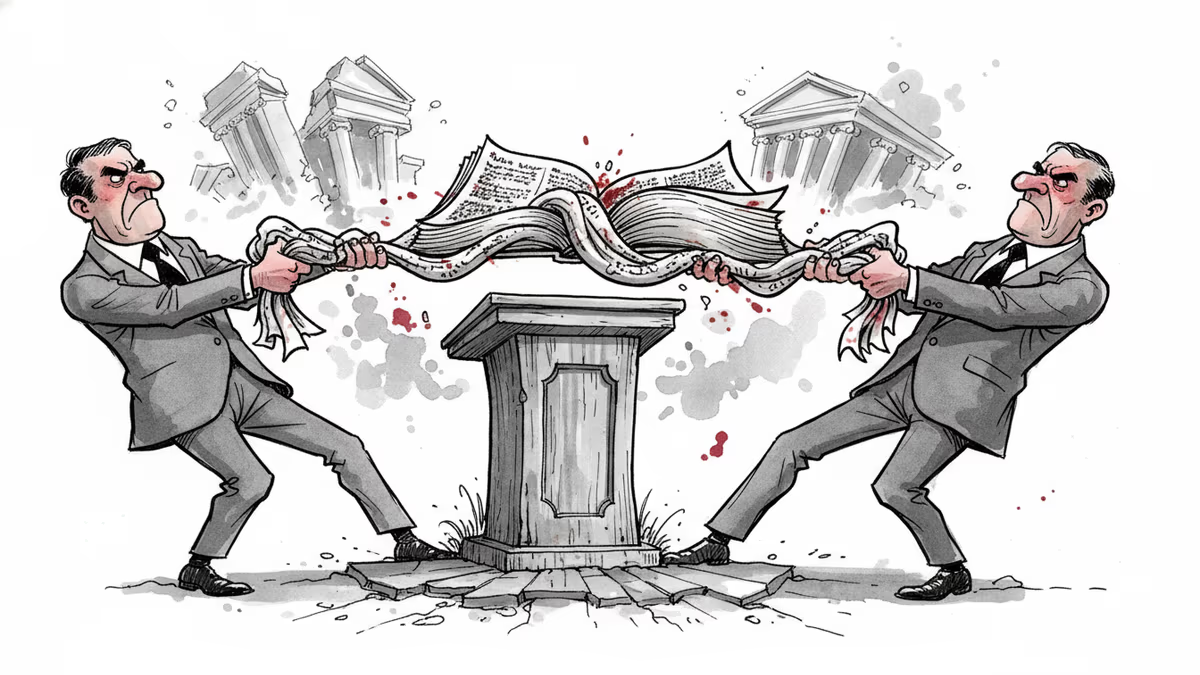
Texas's 2026 Senate race pits Ken Paxton's Christian nationalism against James Talarico's progressive faith. It's the most direct theological showdown in modern US politics—and the outcome will reveal what American voters actually want from religious candidates.
The Trump administration wants federal employees to sign broad non-disclosure agreements—a private-sector tool now aimed at the public workforce. What happens when government runs like a corporation?
Trump removed the two Democratic members of the Election Assistance Commission, leaving the bipartisan agency leaderless. A Supreme Court ruling made it legal. Here's why a non-crisis can still be a warning sign.
Trump says he wants to 'take' Cuba. But this desire isn't new—it stretches back to Thomas Jefferson. Why this centuries-old obsession is coming to a head right now.
Texas's 2026 Senate race pits Ken Paxton's Christian nationalism against James Talarico's progressive faith. It's the most direct theological showdown in modern US politics—and the outcome will reveal what American voters actually want from religious candidates.
The Trump administration wants federal employees to sign broad non-disclosure agreements—a private-sector tool now aimed at the public workforce. What happens when government runs like a corporation?
Thoughts
Share your thoughts on this article
Sign in to join the conversation