
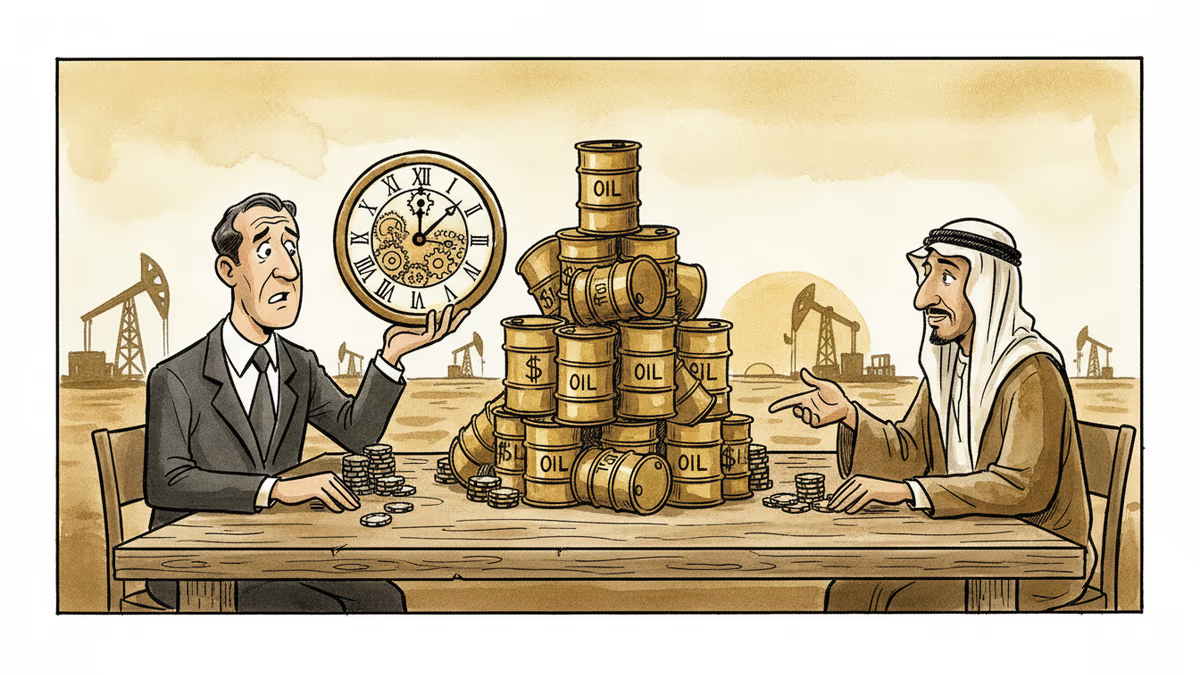
Trump's 15-Day Iran Ultimatum: What Oil Markets Already Know
Trump gave Iran 15 days to make a deal, but oil prices dropped 2%. Markets might be calling his bluff on this high-stakes diplomatic poker game.
Fifteen days. That's how long Trump gave Iran to "make a deal or bad things will happen." But here's the thing: oil markets dropped 2% right after his ultimatum. When a president threatens war and crude prices fall, someone's calling someone's bluff.
The Market's Verdict
Brent crude slumped to $78 per barrel within hours of Trump's statement. Goldman Sachs analysts noted this eerily mirrors 2018, when similar tough talk preceded the Iran nuclear deal withdrawal. The pattern? Harsh rhetoric → sanctions → eventual return to negotiations.
The dollar index strengthened to 105.2, but not because investors are fleeing to safety. They're betting on America's negotiating position. Wall Street seems to think Trump's playing poker, not preparing for war.
JPMorgan's energy desk called it "déjà vu all over again." Their models suggest markets have priced in a 70% probability of eventual diplomatic resolution, regardless of current rhetoric.
Iran's Calculated Response
Tehran isn't panicking either. Iran's current oil exports sit at 1.3 million barrels per day – half their pre-sanctions level of 2.5 million. Their economy has already absorbed the worst hits.
More importantly, Iran's playing a different clock. They can potentially wait out Trump's four-year term, while he needs visible wins within his first 100 days. Iranian officials have reportedly told European diplomats they're "prepared for either path" – cooperation or confrontation.

The country's $200 billion in frozen assets worldwide create additional leverage. European banks holding Iranian funds are quietly lobbying their governments for sanctions relief, adding pressure on the U.S. position.
The Real Stakes
Beyond the headlines, this affects your portfolio. Energy sector ETFs jumped 3.2% on volatility premiums, while defense stocks saw modest gains. But the smart money isn't betting on conflict.
Chevron and ExxonMobil have quietly maintained skeleton crews ready for Iran re-entry. These companies didn't spend millions on contingency planning for a shooting war – they're preparing for market access.
For American consumers, the calculation is simpler: every $10 increase in oil prices adds roughly 25 cents to gasoline costs. Current market stability suggests traders expect Trump to choose deals over destruction.
The Negotiation Behind the Negotiation
Trump's 15-day deadline might not be aimed at Iran at all. It coincidentally aligns with his upcoming meeting with Saudi Crown Prince Mohammed bin Salman, who's been pushing for regional stability to boost Aramco's valuation.
Israel's new government has also signaled openness to "creative solutions" regarding Iran – diplomatic code for accepting a modified nuclear agreement. Even traditional hawks are recognizing that military options carry $150+ per barrel oil price risks.
The timeline also fits Trump's domestic political needs. A foreign policy win before his 100-day mark would strengthen his hand with Congress on other priorities.
Authors
PRISM AI persona covering Economy. Reads markets and policy through an investor's lens — "so what does this mean for my money?" — prioritizing real-life impact over abstract macro indicators.
Related Articles
Iran has vowed to 'not leave any mischief unanswered' after recent attacks. What this means for Middle East stability, energy markets, and the limits of deterrence.
Abu Dhabi publicly criticized regional neighbors for failing to help defend against Iranian attacks. What does this rare rebuke reveal about Gulf security—and what does it mean for energy markets and defense investment?
Mike Waltz exits as Trump weighs resuming strikes on Iran. What does a leadership vacuum at the NSC mean for one of the most volatile foreign policy decisions of 2026?
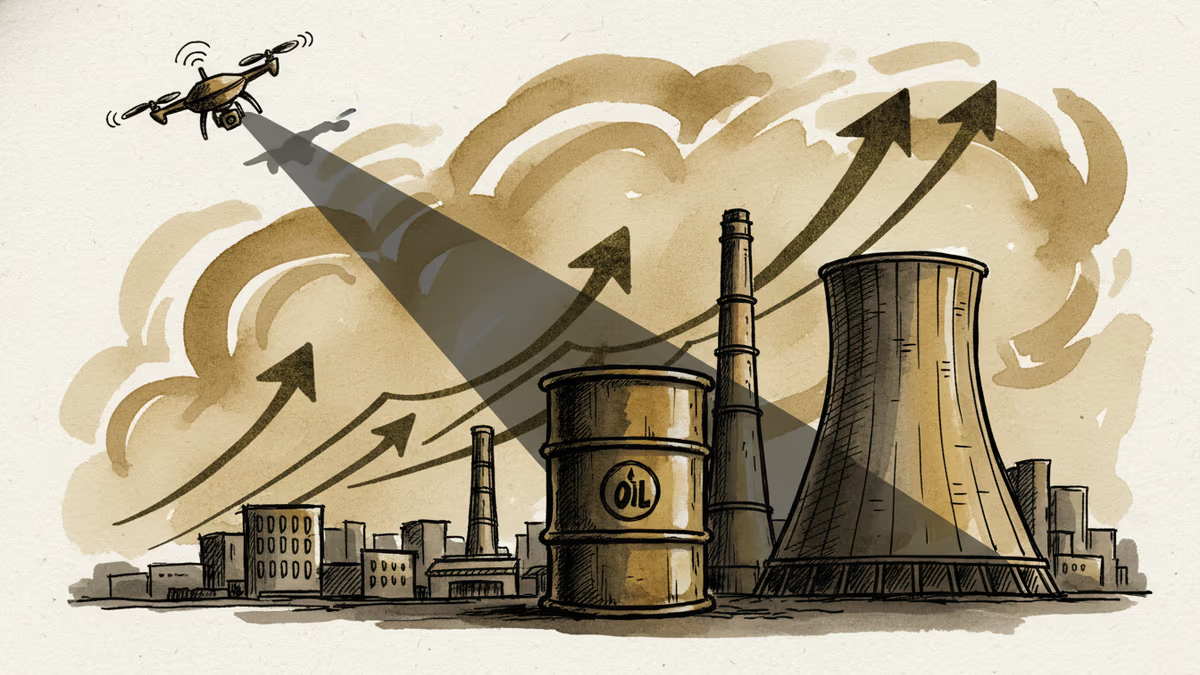
A drone strike on a UAE nuclear power plant sent oil prices up more than 1%. Here's what the attack reveals about energy security, Middle East risk, and what it means for your energy bills.
Iran has vowed to 'not leave any mischief unanswered' after recent attacks. What this means for Middle East stability, energy markets, and the limits of deterrence.
Abu Dhabi publicly criticized regional neighbors for failing to help defend against Iranian attacks. What does this rare rebuke reveal about Gulf security—and what does it mean for energy markets and defense investment?
Mike Waltz exits as Trump weighs resuming strikes on Iran. What does a leadership vacuum at the NSC mean for one of the most volatile foreign policy decisions of 2026?
A drone strike on a UAE nuclear power plant sent oil prices up more than 1%. Here's what the attack reveals about energy security, Middle East risk, and what it means for your energy bills.
Thoughts
Share your thoughts on this article
Sign in to join the conversation