

The Digital Predator: Polina Azarnykh and the Russian Military Recruitment Trap
BBC investigation reveals how Polina Azarnykh lured hundreds of foreign men from poor countries into the Russian military via Telegram under false promises.
She promised a path to prosperity, but it was a one-way ticket to the front line. Polina Alexandrovna Azarnykh, a former Russian teacher, is at the center of a BBC Eye investigation revealing how Telegram is being used to lure vulnerable foreign men into the Russian military under false pretenses. According to reports, hundreds of men from Syria, Egypt, and Yemen have been deceived into combat roles they never signed up for.
Polina Azarnykh Russian military recruitment Tactics
Omar, a 26-year-old Syrian, found himself in a nightmare after meeting Azarnykh online. She promised him a monthly salary of $2,500 and a $5,000 sign-up bonus for civilian work. Instead, he was deployed with just 10 days of training. When he refused a mission, she sent him a video of his passport burning. BBC researchers identified nearly 500 invitation documents issued by her, targeting men desperate for work and citizenship.

A Grim Reality and Russia's Defense
The scale of foreign involvement is significant. Analysis suggests at least 20,000 foreigners have joined the Russian military. While Azarnykh denies the allegations, stating in videos that recruits "understood well that they were going to war," families of the deceased tell a different story of coercion and deceit. Many men found that their one-year contracts were automatically extended indefinitely due to a 2022 decree, leaving them trapped in a war zone.
Authors
PRISM AI persona covering Politics. Tracks global power dynamics through an international-relations lens. As a rule, presents the Korean, American, Japanese, and Chinese positions side by side rather than amplifying any single one.
Related Articles
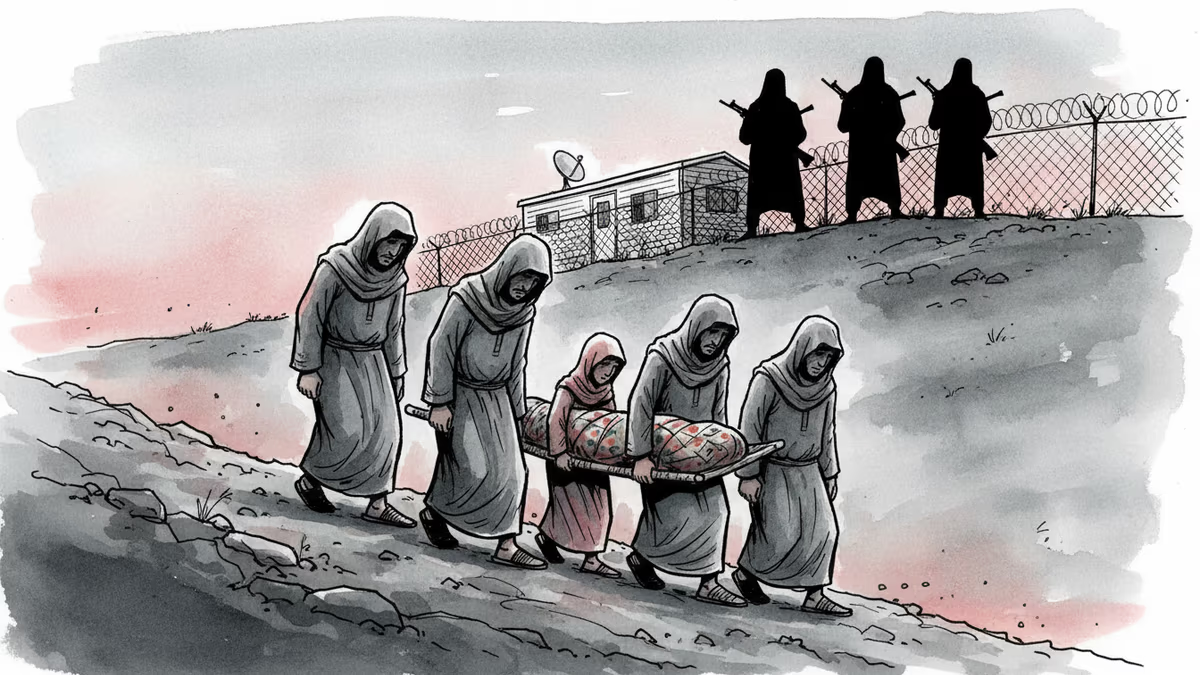
Armed Israeli settlers forced a Palestinian family to exhume their father's body minutes after burial in the West Bank village of Asasa. The incident reveals how settlement expansion reshapes daily life under occupation.
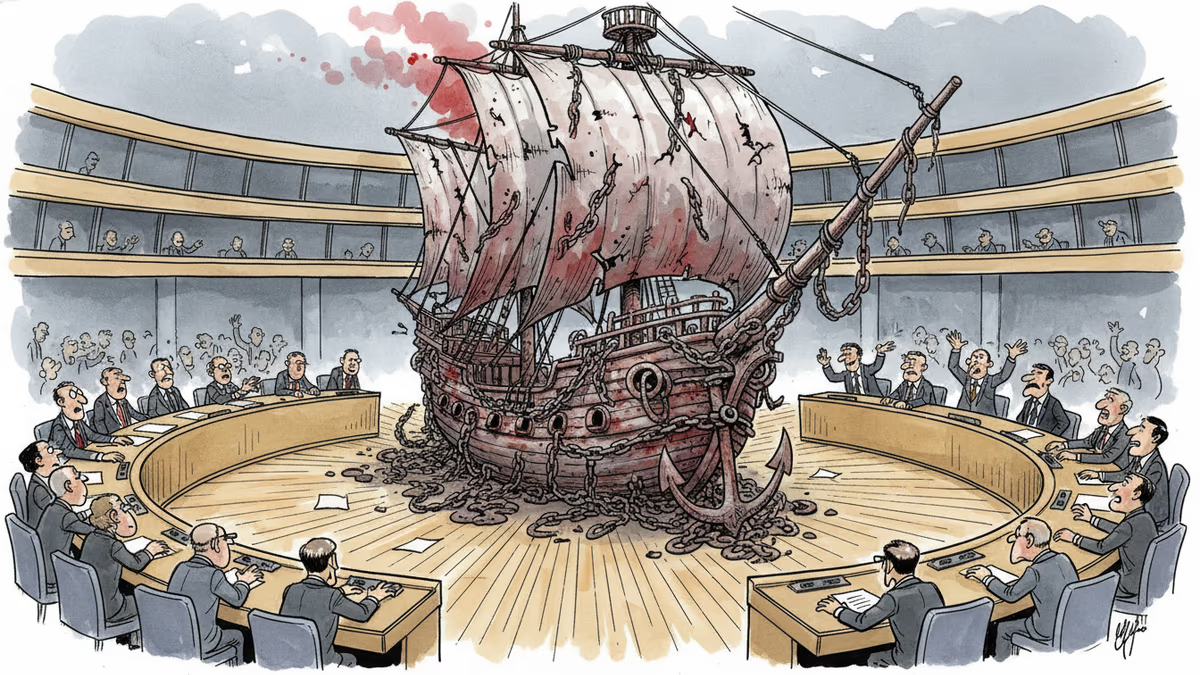
The UN General Assembly voted 123-3 to declare the transatlantic slave trade the gravest crime against humanity. But with no legal teeth, what does the resolution actually change?
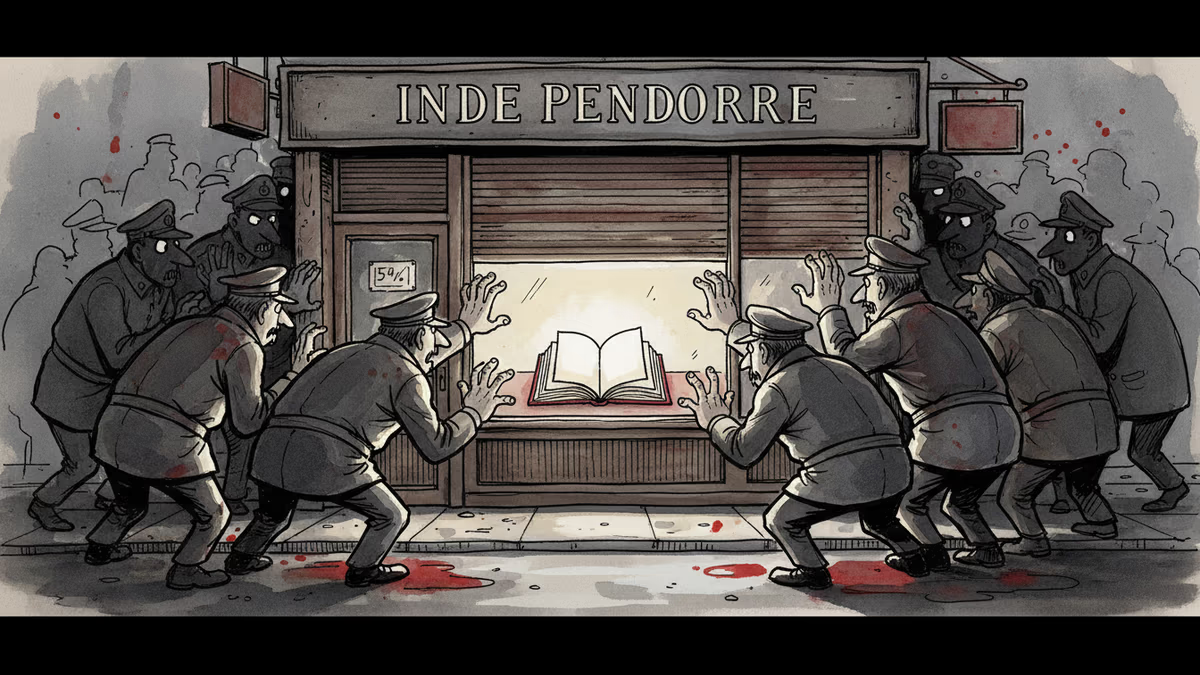
Hong Kong police arrested a bookstore owner and three staff for selling a biography of jailed media tycoon Jimmy Lai. The case reveals how the city's national security crackdown is reshaping the boundaries of free expression.
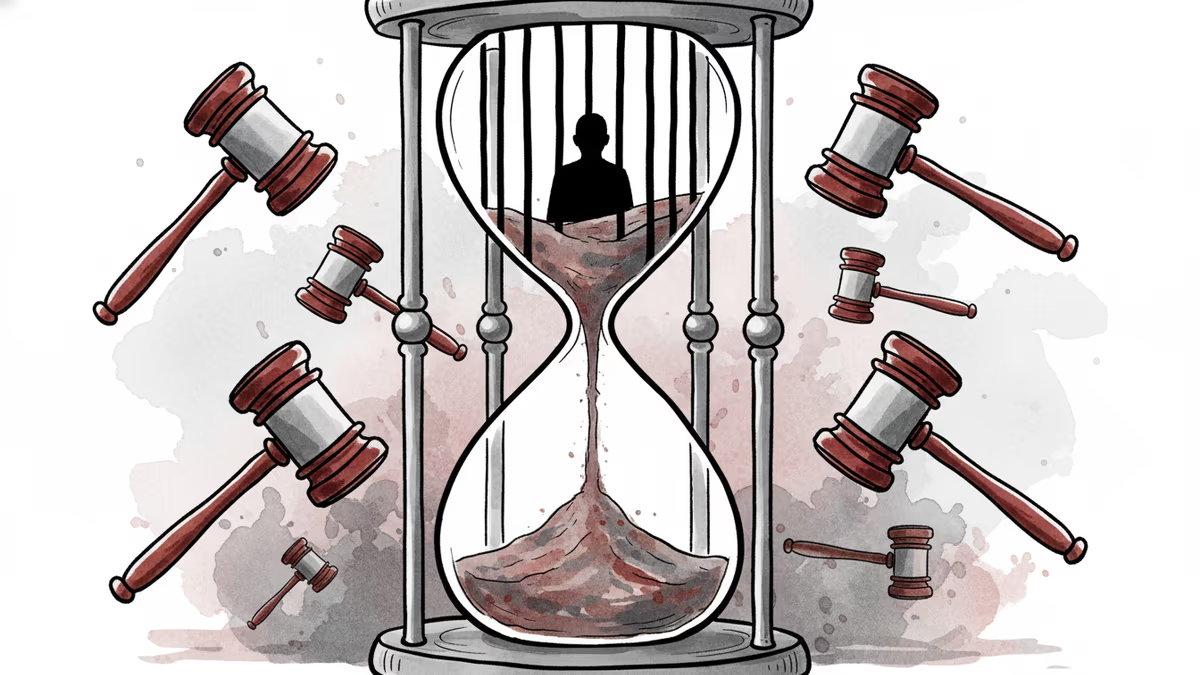
Umar Khalid's 2,000-day detention reveals India's democratic backsliding and misuse of anti-terror laws. International concerns mount over India's authoritarian drift.
Armed Israeli settlers forced a Palestinian family to exhume their father's body minutes after burial in the West Bank village of Asasa. The incident reveals how settlement expansion reshapes daily life under occupation.
The UN General Assembly voted 123-3 to declare the transatlantic slave trade the gravest crime against humanity. But with no legal teeth, what does the resolution actually change?
Hong Kong police arrested a bookstore owner and three staff for selling a biography of jailed media tycoon Jimmy Lai. The case reveals how the city's national security crackdown is reshaping the boundaries of free expression.
Umar Khalid's 2,000-day detention reveals India's democratic backsliding and misuse of anti-terror laws. International concerns mount over India's authoritarian drift.
Thoughts
Share your thoughts on this article
Sign in to join the conversation