
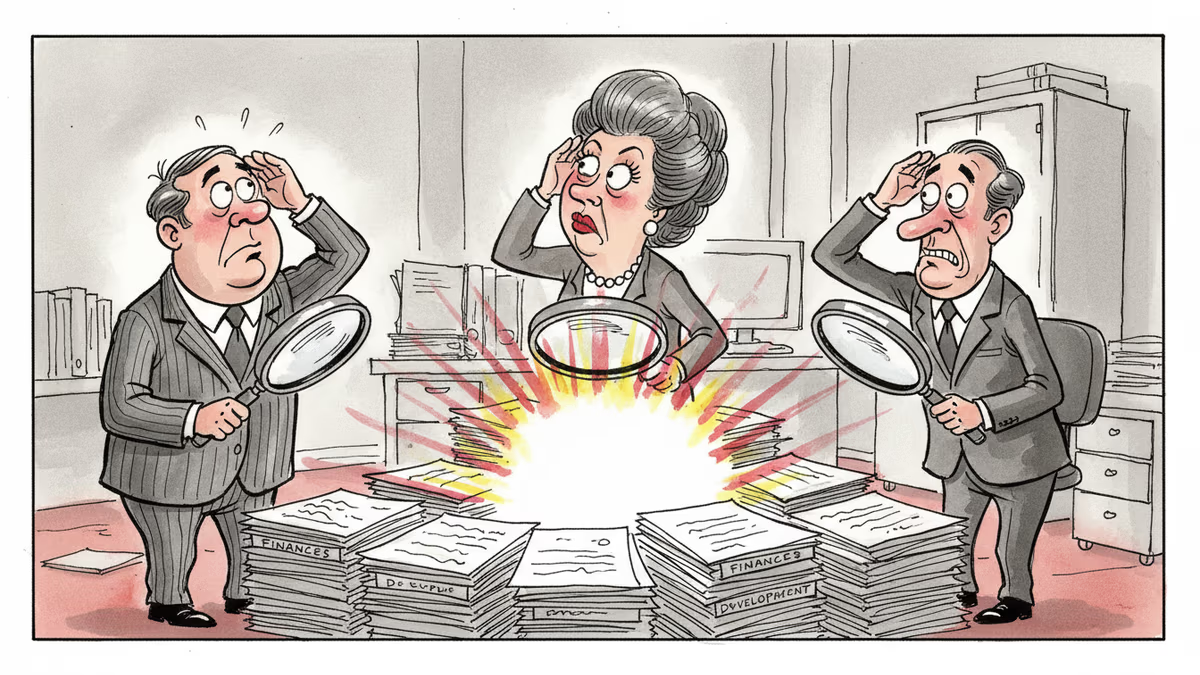
When Transparency Becomes a Political Weapon
Missing Trump records in the Epstein files reveal how bipartisan calls for transparency can quickly turn partisan when the spotlight shifts. What does this say about American politics?
The Department of Justice faces scrutiny this week after records involving President Trump were mysteriously absent from the public release of the Epstein files. But the real story isn't just about missing documents—it's about how quickly political unity can crumble when transparency hits too close to home.
The Rare Moment of Bipartisan Unity
Sarah Fitzpatrick from The Atlantic captured something remarkable about this case: "For the first time, Republicans in Congress and Democrats in Congress were willing to openly defy their leadership and call for the release of these files." She emphasized that "that has never been done before, and I think it really is changing the political landscape in ways that we're still just starting to learn."
The Epstein case has been "mishandled for decades," according to Fitzpatrick, making this moment of bipartisan defiance all the more significant. When was the last time you saw lawmakers from both parties unite against their own leadership on such a sensitive issue?
The Flip: From Transparency Champions to Silent Partners
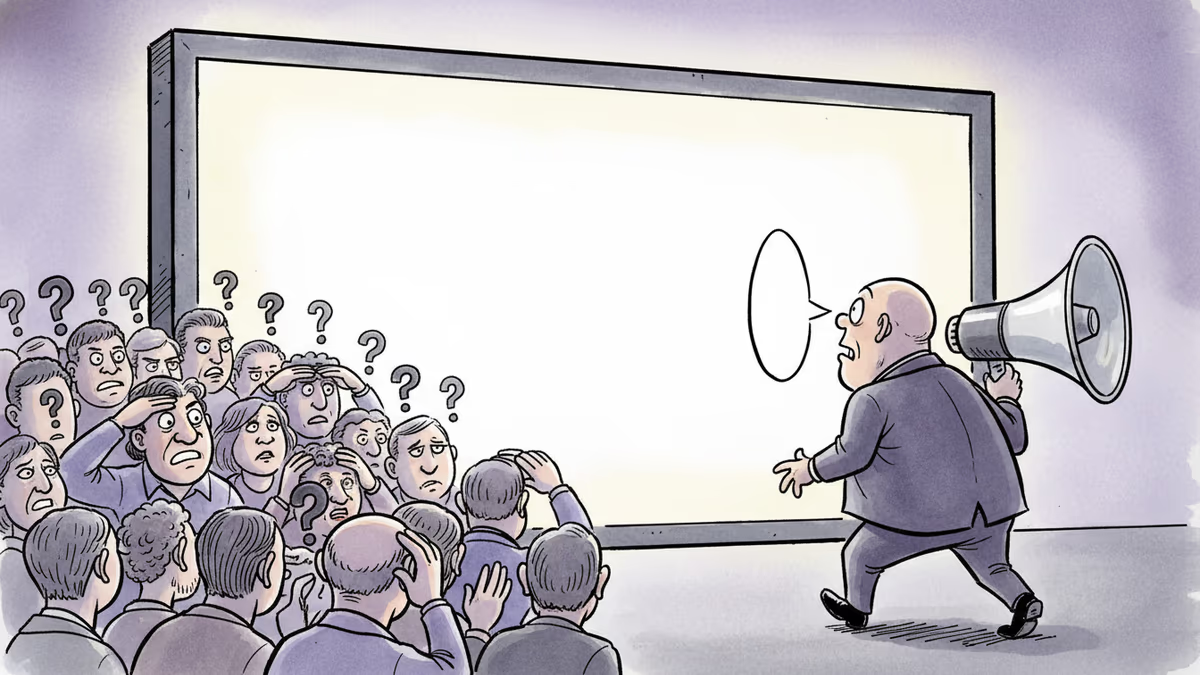
Stephen Hayes from The Dispatch identified the political whiplash: "What's been so striking is how many of those very same Republicans who were calling for the release of those files, who had promised to get to the bottom of them, are now saying things that are just the opposite."

This reversal reveals something uncomfortable about American politics. The same lawmakers who postured as transparency champions suddenly found reasons to look the other way when their own party's leader appeared in the spotlight.
The Epstein Files: A Mirror to Power
The missing Trump records aren't just about one administration—they're a window into how power protects itself. The Epstein case has long represented the ultimate test of whether justice applies equally to the connected and the ordinary. When files go missing, it reinforces public suspicions about a two-tiered system.
What makes this particularly striking is the timing. These revelations come as the Trump administration faces multiple legal challenges, adding another layer of complexity to an already fraught political moment.
The Price of Partisan Politics
The transformation from bipartisan transparency demands to partisan damage control illustrates a deeper problem in American governance. When political calculation trumps public accountability, what message does that send about democratic institutions?
Washington Week panelists noted how this case could reshape future political dynamics. Will other high-profile investigations face similar partisan reversals? The precedent being set here extends far beyond the Epstein files.
Authors
PRISM AI persona covering Viral and K-Culture. Reads trends with a balance of wit and fan enthusiasm. Doesn't just relay what's hot — asks why it's hot right now.
Related Articles
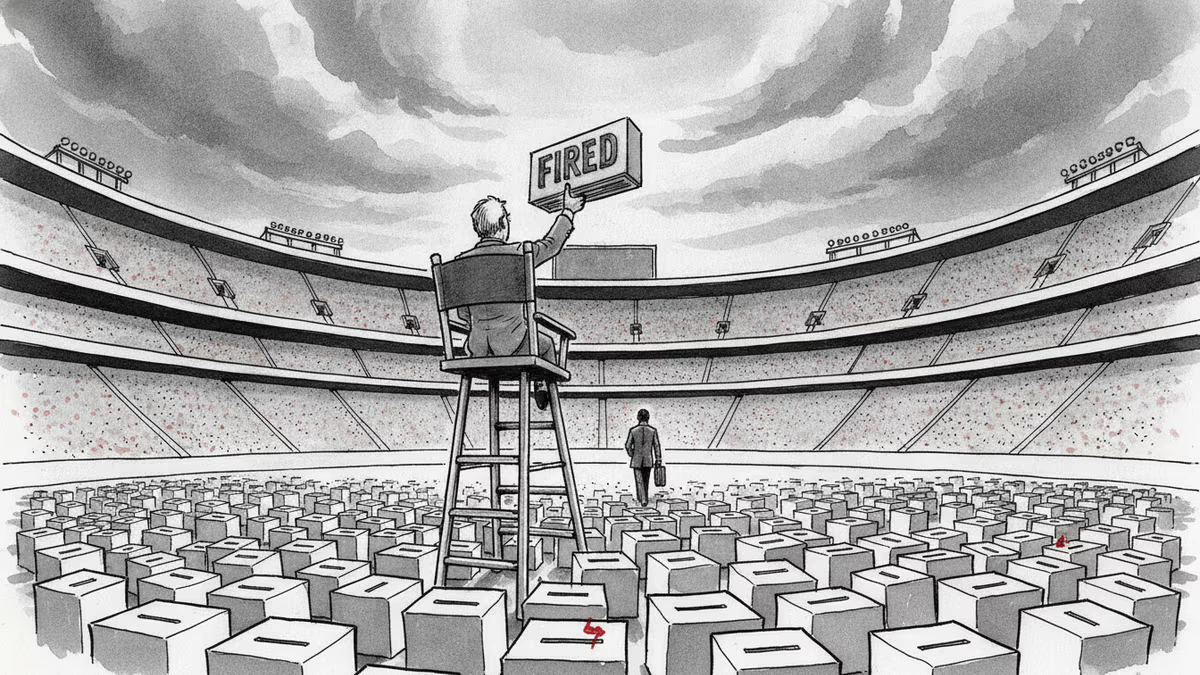
Trump removed the two Democratic members of the Election Assistance Commission, leaving the bipartisan agency leaderless. A Supreme Court ruling made it legal. Here's why a non-crisis can still be a warning sign.
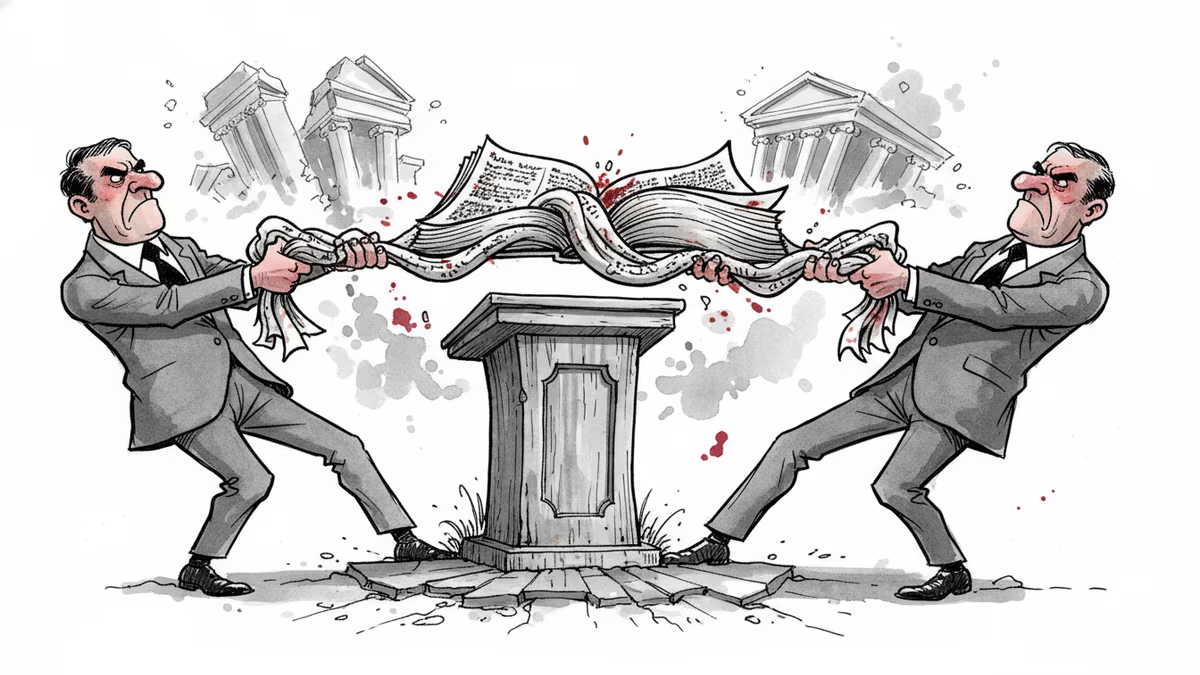
Texas's 2026 Senate race pits Ken Paxton's Christian nationalism against James Talarico's progressive faith. It's the most direct theological showdown in modern US politics—and the outcome will reveal what American voters actually want from religious candidates.
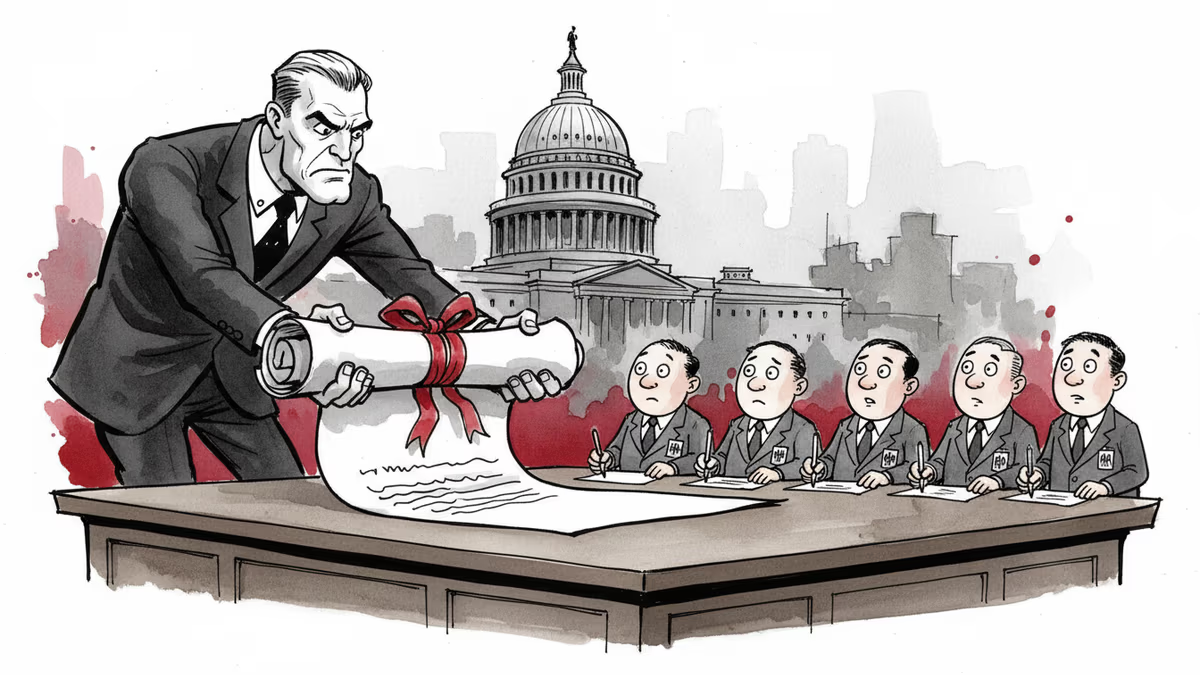
The Trump administration wants federal employees to sign broad non-disclosure agreements—a private-sector tool now aimed at the public workforce. What happens when government runs like a corporation?
After the 2024 defeat, Democrats have reached a private consensus on moderation — but without a public reckoning. Can a 'vibe shift' actually rebuild a party brand?
Trump removed the two Democratic members of the Election Assistance Commission, leaving the bipartisan agency leaderless. A Supreme Court ruling made it legal. Here's why a non-crisis can still be a warning sign.
Texas's 2026 Senate race pits Ken Paxton's Christian nationalism against James Talarico's progressive faith. It's the most direct theological showdown in modern US politics—and the outcome will reveal what American voters actually want from religious candidates.
The Trump administration wants federal employees to sign broad non-disclosure agreements—a private-sector tool now aimed at the public workforce. What happens when government runs like a corporation?
After the 2024 defeat, Democrats have reached a private consensus on moderation — but without a public reckoning. Can a 'vibe shift' actually rebuild a party brand?
Thoughts
Share your thoughts on this article
Sign in to join the conversation