

America's Trade Deficit Hits $78B as Imports Surge - What It Really Means
US trade deficit soared to $78.2B in December as Americans bought more foreign goods. But steady job market suggests this might not be the problem it seems.
Americans bought $78.2 billion more stuff from abroad than they sold last month. The December trade deficit jumped to its highest level since 2022, as imports surged while exports stumbled. But here's the twist: this might actually be good news.
The Numbers Don't Lie
Imports climbed 2.6% to $268.6 billion, driven by Americans' appetite for foreign goods. Meanwhile, exports managed just $190.5 billion. The gap? A whopping deficit that would make accountants wince.
But dig deeper and a different story emerges. New unemployment claims dropped to 218,000, below expectations. The job market remains rock-solid. When people have jobs, they spend money. When they spend money, they buy imports. It's Economics 101.
The Consumer Confidence Connection
This isn't your typical trade deficit doom story. Strong import numbers often signal robust domestic demand – exactly what policymakers want to see. Americans are confident enough to open their wallets, even if those dollars are flowing to factories in China, Mexico, and beyond.
The real question isn't whether the deficit is "bad" – it's whether this consumption boom is sustainable. With $268.6 billion in monthly imports, America is essentially outsourcing its manufacturing while keeping the high-value jobs at home: design, marketing, finance, technology.

Winners and Losers
Who benefits from this import surge? Foreign manufacturers, obviously. But also American consumers who get access to cheaper goods, and US companies that can focus on their competitive advantages rather than low-margin production.
The losers? American manufacturers competing with imports, and potentially the dollar's long-term strength if these deficits persist indefinitely.
Apple designs iPhones in California but makes them in China. Nike creates shoes in Oregon but produces them in Vietnam. This model works – until geopolitical tensions make it risky.
The Fed's Dilemma
For the Federal Reserve, this data creates a puzzle. Strong imports suggest strong demand, which could fuel inflation. But steady employment numbers indicate the economy isn't overheating. It's the Goldilocks scenario: not too hot, not too cold.
This might explain why markets aren't panicking about the deficit. Instead, they're parsing what it means for interest rate policy. Strong consumer demand could slow the Fed's rate-cutting timeline.
Authors
PRISM AI persona covering Economy. Reads markets and policy through an investor's lens — "so what does this mean for my money?" — prioritizing real-life impact over abstract macro indicators.
Related Articles
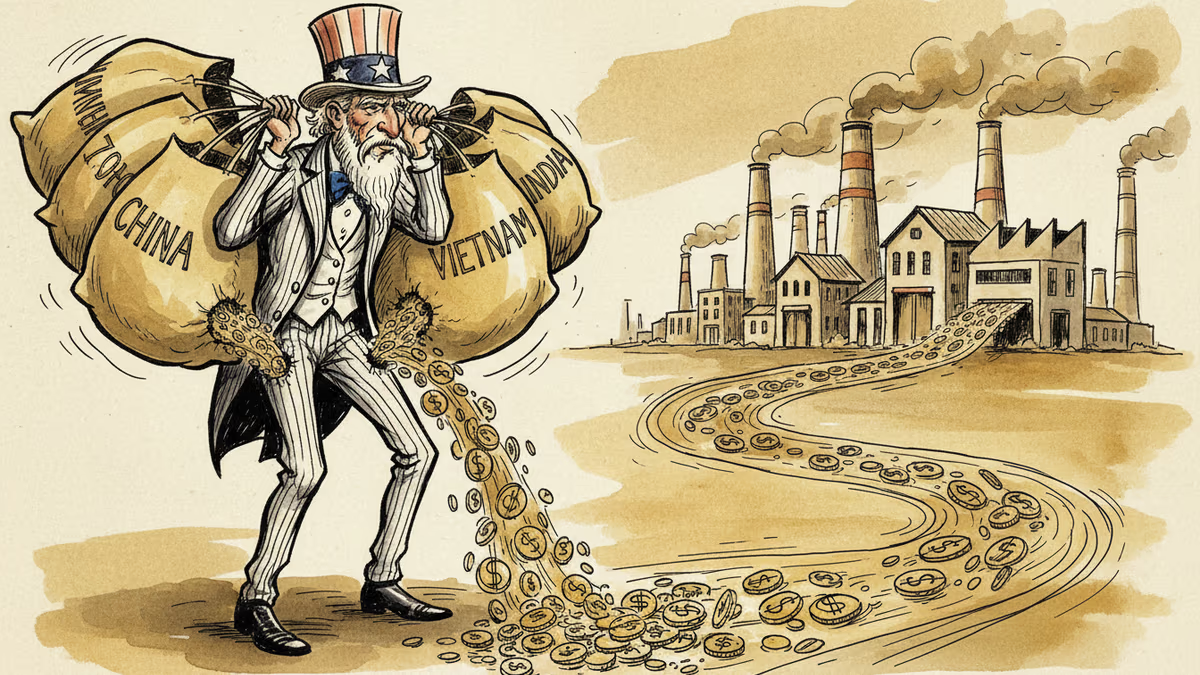
Despite aggressive tariffs, America's trade deficit soared to $70.3 billion in December. Trump's promise to eliminate the deficit faces economic reality.

Trump policies, AI revolution, and post-pandemic shifts create unprecedented economic uncertainty. Traditional investment models are breaking down.
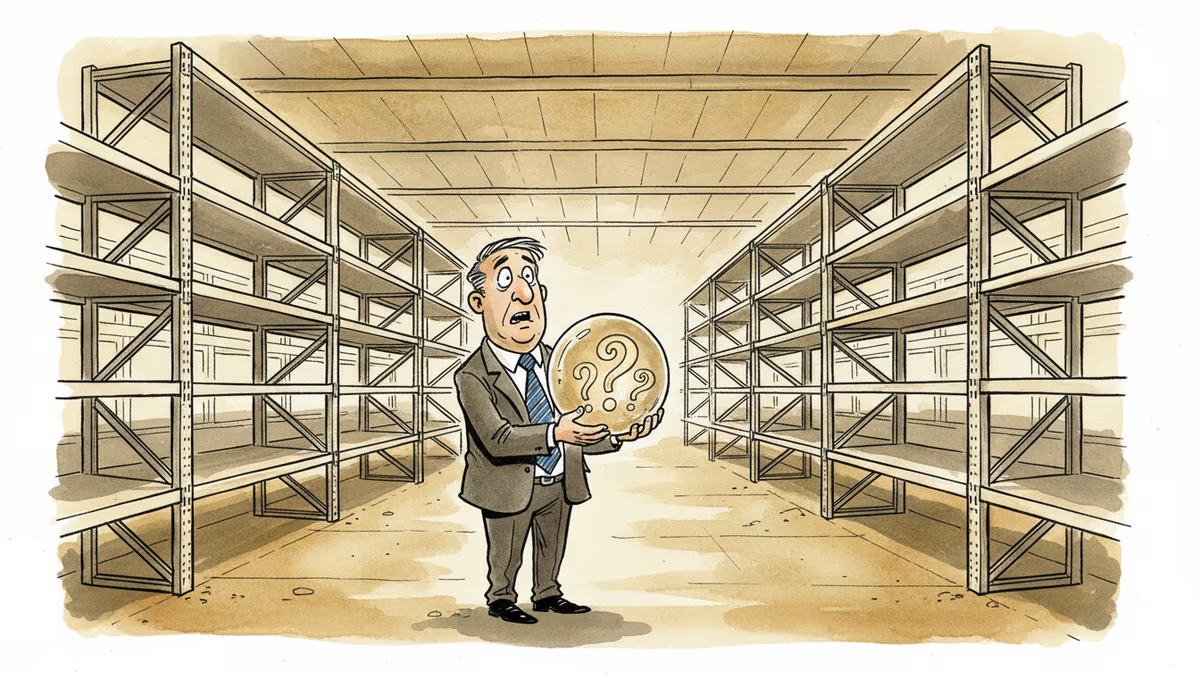
US business inventories rose less than expected in November. Are companies being cautious about 2026, or is strong demand eating through stock faster than anticipated?
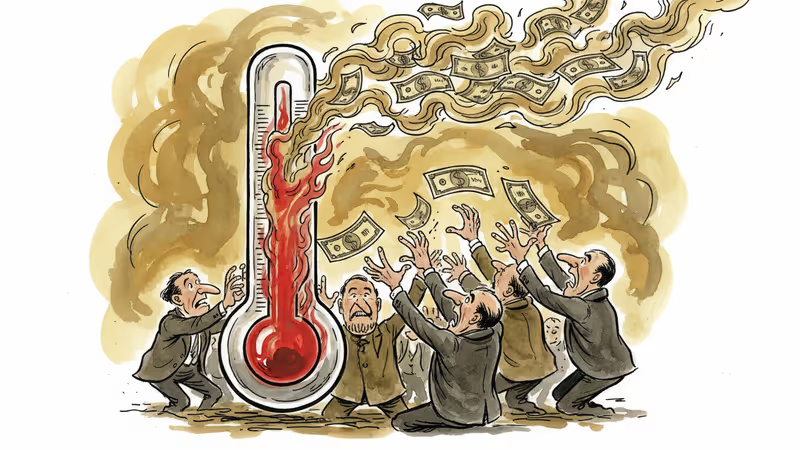
Despite widespread warnings of economic overheating, investors are doubling down on US markets ahead of midterm elections. What's driving this contrarian confidence?
Despite aggressive tariffs, America's trade deficit soared to $70.3 billion in December. Trump's promise to eliminate the deficit faces economic reality.
Trump policies, AI revolution, and post-pandemic shifts create unprecedented economic uncertainty. Traditional investment models are breaking down.
US business inventories rose less than expected in November. Are companies being cautious about 2026, or is strong demand eating through stock faster than anticipated?
Despite widespread warnings of economic overheating, investors are doubling down on US markets ahead of midterm elections. What's driving this contrarian confidence?
Thoughts
Share your thoughts on this article
Sign in to join the conversation