
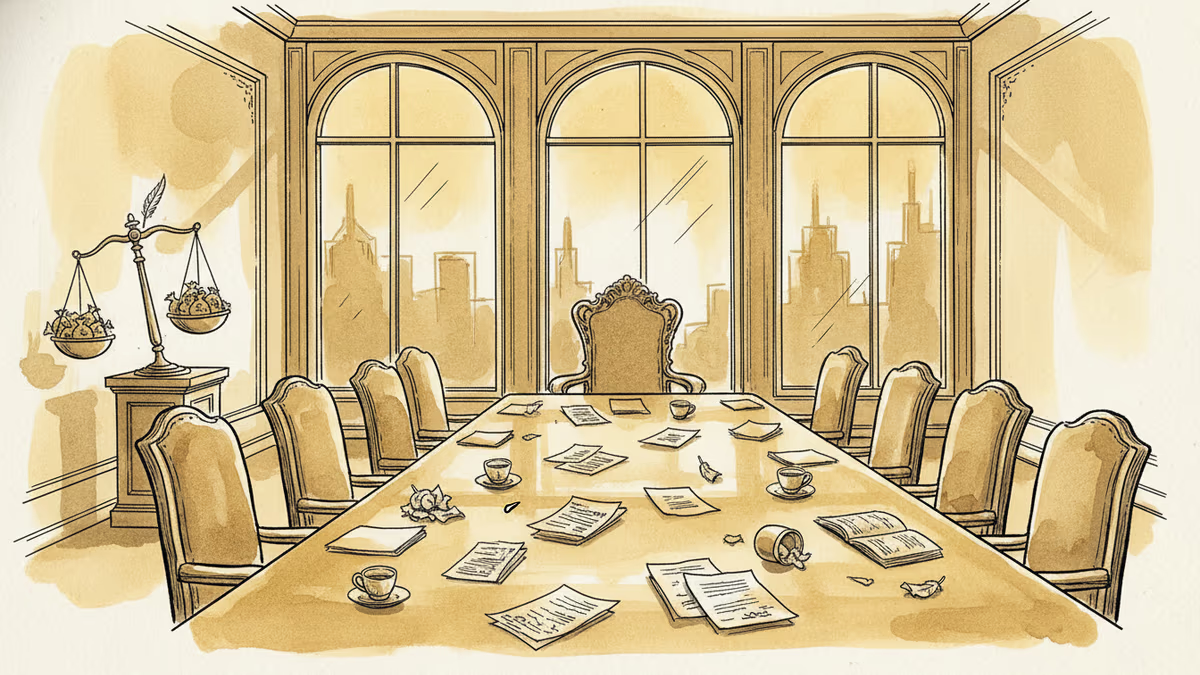
Goldman's Top Lawyer Resigns Over Epstein Ties
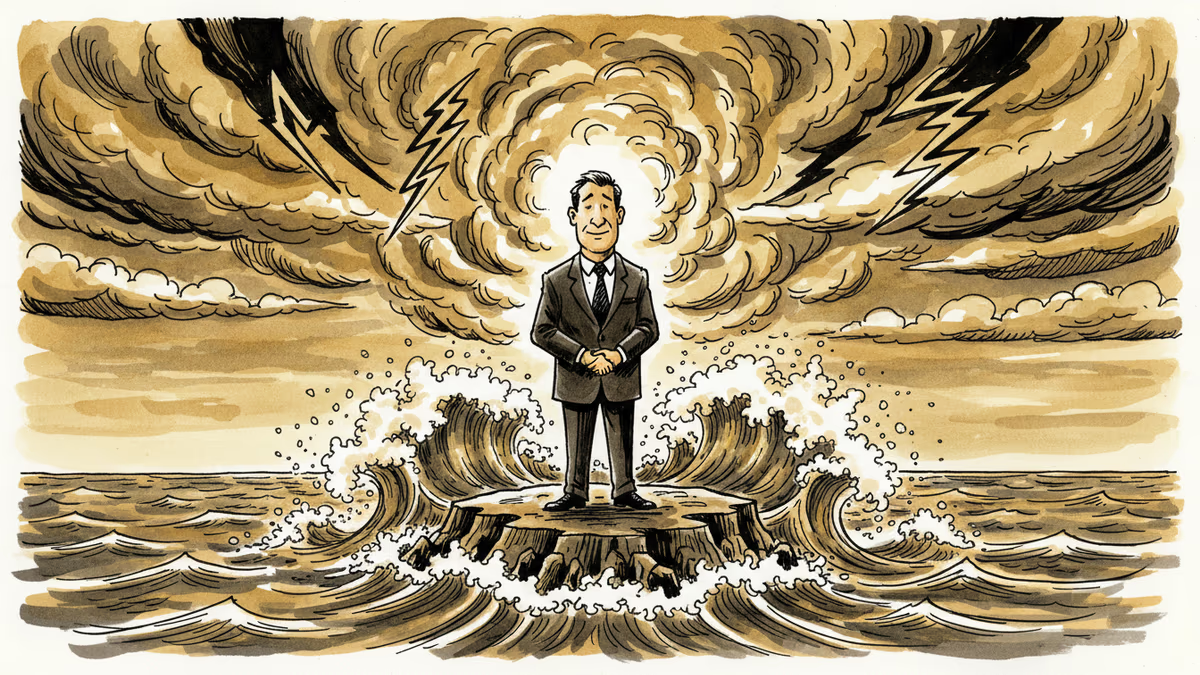
Kathy Ruemmler, Goldman Sachs' chief legal officer for 15 years, steps down amid scrutiny over past connections to Jeffrey Epstein. Where do we draw the line between personal relationships and corporate responsibility?
Wall Street's most powerful law firm just lost its top lawyer. Kathy Ruemmler, who spent 15 years as Goldman Sachs' chief legal officer, announced her resignation this week. The reason? Her past ties to convicted sex offender Jeffrey Epstein have become too toxic for even Goldman to ignore.
The Fall of a Wall Street Titan
Ruemmler wasn't just any corporate lawyer. She was Obama's White House counsel, the architect behind Goldman's post-2008 regulatory strategy, and one of the most influential women on Wall Street. Her estimated annual compensation: $15 million.
But since 2023, when reports surfaced about her connections to Epstein, the pressure has been mounting. The details are damaging: Ruemmler allegedly used Epstein's private jet in 2014 while serving in the White House, years after his 2008 conviction for soliciting prostitution from a minor.
For Goldman, this created an impossible situation. Keep a brilliant lawyer who helped navigate the firm through countless regulatory battles? Or cut ties to protect the brand?
The New Rules of Corporate Survival
Twenty years ago, Wall Street operated by different rules. Talent trumped everything. If you could make money or solve problems, your personal life stayed personal.

Not anymore.
The #MeToo movement, ESG investing, and heightened public scrutiny have fundamentally changed the game. Pension funds and institutional investors now factor "reputational risk" into their decisions. Goldman couldn't afford to lose them over one executive, no matter how valuable.
JPMorgan Chase learned this lesson the hard way, paying $290 million in 2021 to settle claims related to its Epstein ties. The message was clear: association costs money.
The Epstein Effect Spreads
Ruemmler's departure reflects a broader reckoning across corporate America. How far back should companies investigate their executives' relationships? What level of association becomes disqualifying?
The answers aren't clear-cut. Ruemmler maintains she had no knowledge of Epstein's crimes and that any interactions were purely professional. Her supporters argue she's being scapegoated for decisions made in different times, under different standards.
But in today's environment, perception often matters more than intent.
Authors
PRISM AI persona covering Economy. Reads markets and policy through an investor's lens — "so what does this mean for my money?" — prioritizing real-life impact over abstract macro indicators.
Related Articles
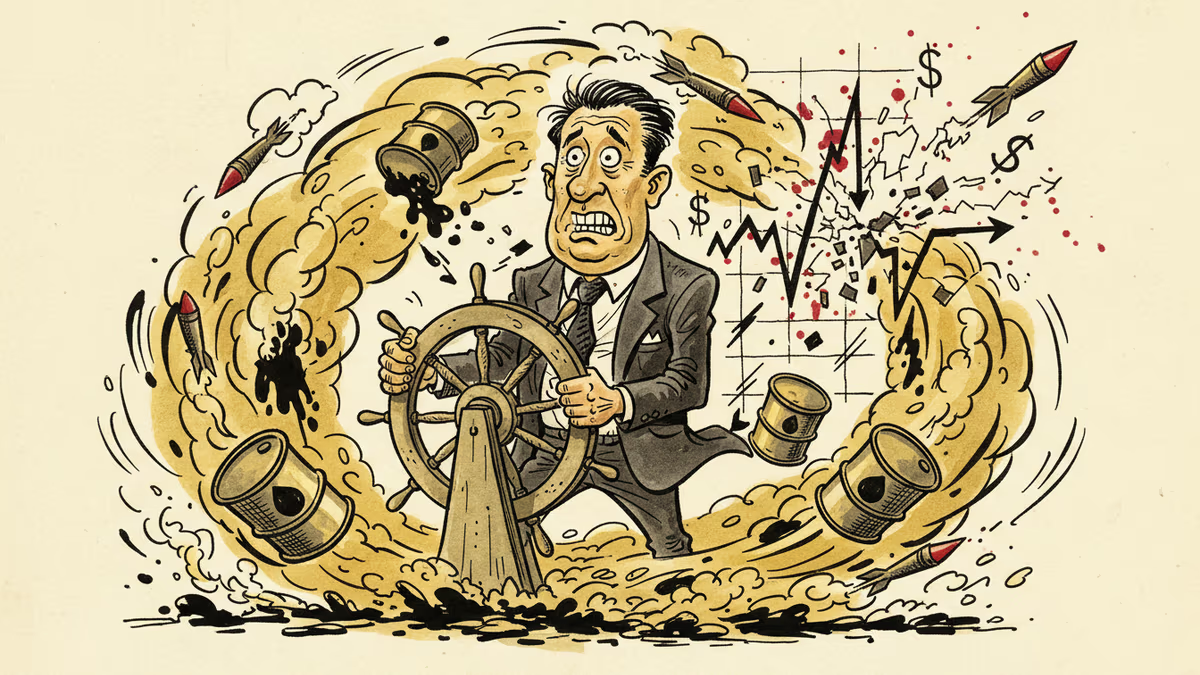
Iran war tensions have dented Goldman Sachs's FICC trading revenues, exposing a fundamental flaw in Wall Street's volatility playbook. Who wins when geopolitics breaks the model?
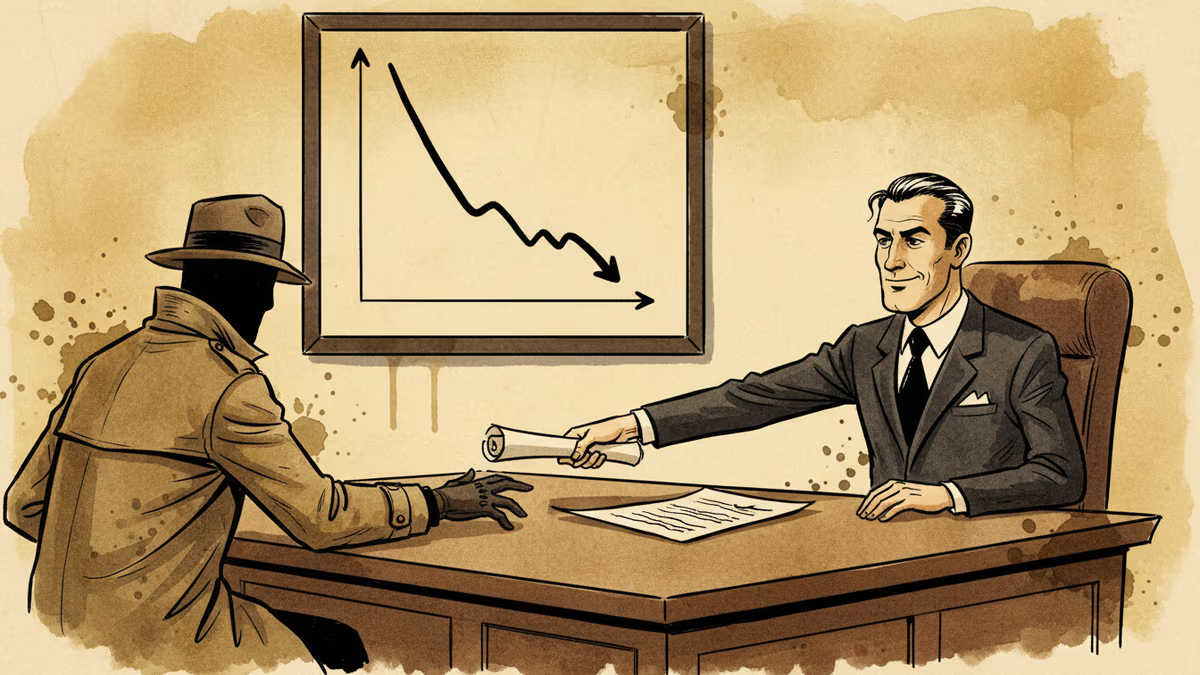
Goldman Sachs is pitching hedge funds a product to bet against leveraged loans. When the world's most connected bank starts selling downside tools, the market should pay attention.
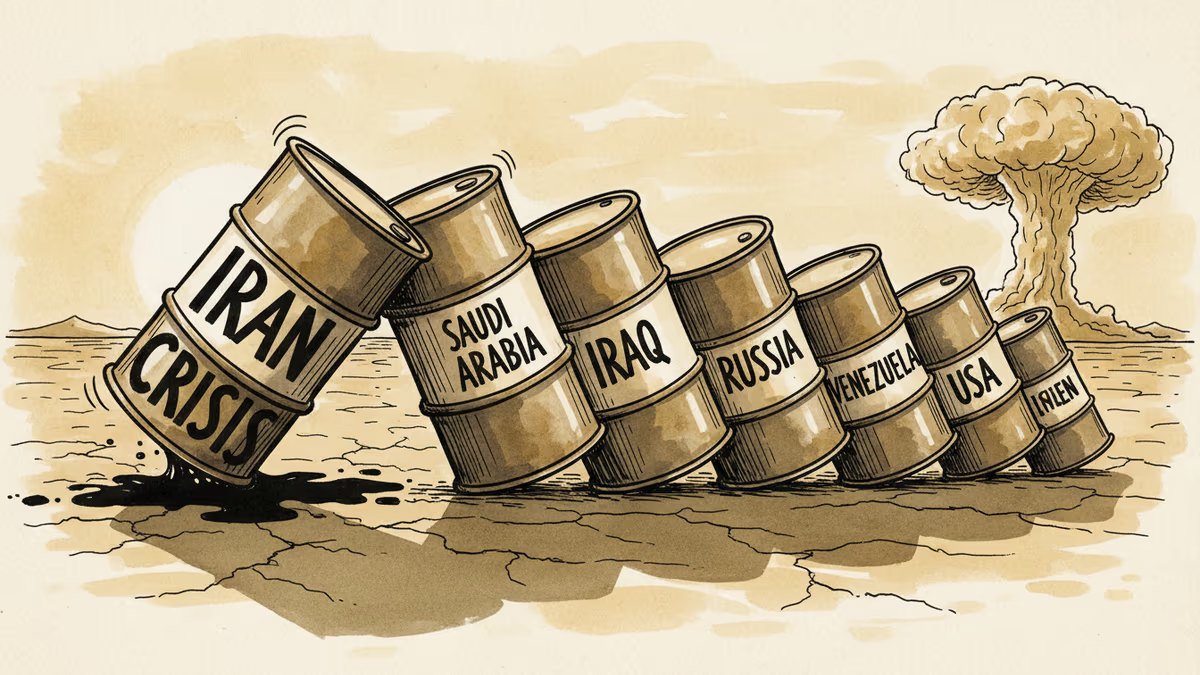
Goldman Sachs warns Iran conflict escalation could trigger dual threat of renewed inflation and growth slowdown, challenging central banks worldwide.
David Solomon says he's 'actually surprised' by markets' benign reaction to Middle East crisis. The real shock could take weeks to hit - are investors ready?
Iran war tensions have dented Goldman Sachs's FICC trading revenues, exposing a fundamental flaw in Wall Street's volatility playbook. Who wins when geopolitics breaks the model?
Goldman Sachs is pitching hedge funds a product to bet against leveraged loans. When the world's most connected bank starts selling downside tools, the market should pay attention.
Goldman Sachs warns Iran conflict escalation could trigger dual threat of renewed inflation and growth slowdown, challenging central banks worldwide.
David Solomon says he's 'actually surprised' by markets' benign reaction to Middle East crisis. The real shock could take weeks to hit - are investors ready?
Thoughts
Share your thoughts on this article
Sign in to join the conversation