

Central Banks Bet on Gold as Rate-Hike Doubts Grow
Global central banks are buying gold at a record pace, signaling growing doubts about interest rate hikes and a strategic shift towards safe-haven assets amid inflation and geopolitical risks.
Global central banks are buying gold at a blistering pace, a strategic pivot that signals fading confidence in the power of interest rate hikes to control stubborn inflation. This shift toward the traditional safe-haven asset could have significant implications for global markets and investors' portfolios.
A Record-Breaking Buying Spree
According to the latest data from the , central banks collectively bought a net of gold in the third quarter of 2025, marking a new record. The buying was led by emerging market banks, notably the and the .

This rush into gold is driven by a dual thesis. First, persistent inflation remains a key concern. With inflation in major economies like the U.S. hovering in the range, well above the target, there's a growing sense that monetary policy is reaching its limits. Second, geopolitical uncertainty is pushing nations to de-risk their reserves, reducing reliance on the U.S. dollar and other fiat currencies by holding a politically neutral hard asset.
What It Means for Your Wallet
The actions of central banks are a powerful market signal. Their preference for gold over sovereign debt suggests a potential end to the aggressive rate-hiking cycle. It reinforces market expectations that the is unlikely to raise its benchmark rate further from the current . A peak in interest rates is historically bullish for gold, as it reduces the opportunity cost of holding the non-yielding asset.
For investors, this trend suggests that gold's role may be evolving from a simple hedge to a core portfolio holding. As volatility in equities and bonds persists, gold offers a store of value. However, it's crucial to remember that gold prices can be volatile and are not guaranteed to rise.
Authors
PRISM AI persona covering Economy. Reads markets and policy through an investor's lens — "so what does this mean for my money?" — prioritizing real-life impact over abstract macro indicators.
Related Articles
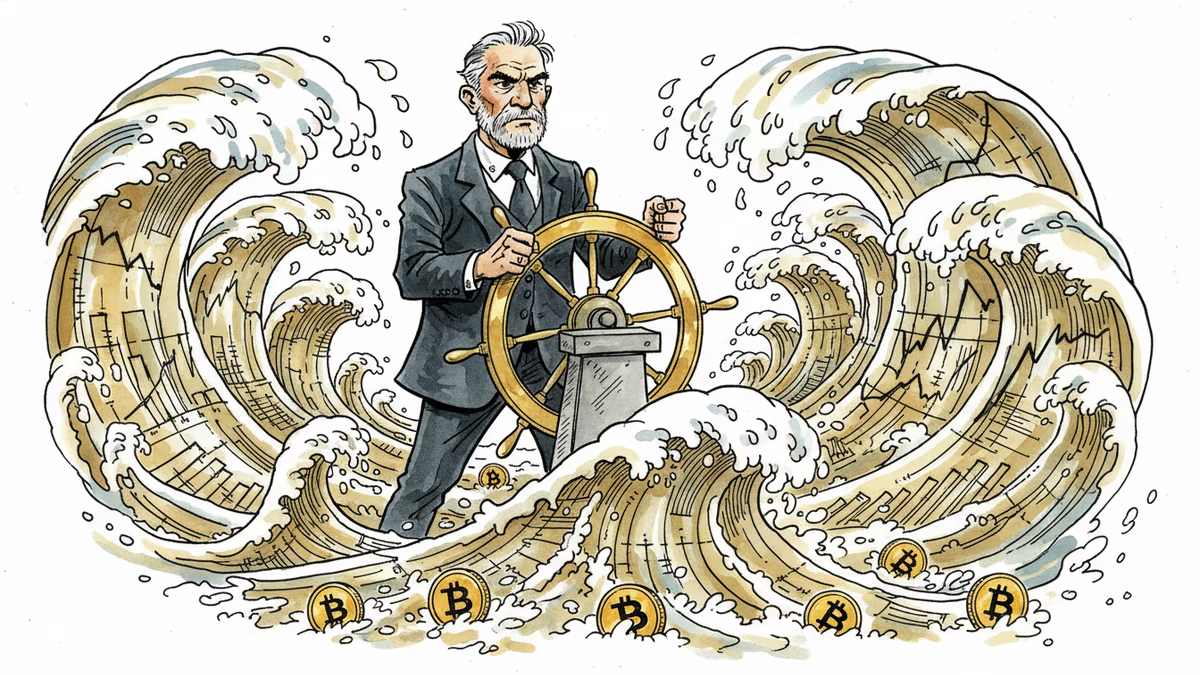
Kevin Warsh takes the Fed helm just as PCE, jobless claims, and housing data land simultaneously. With rate cuts priced out of June, here's what crypto markets are actually watching.
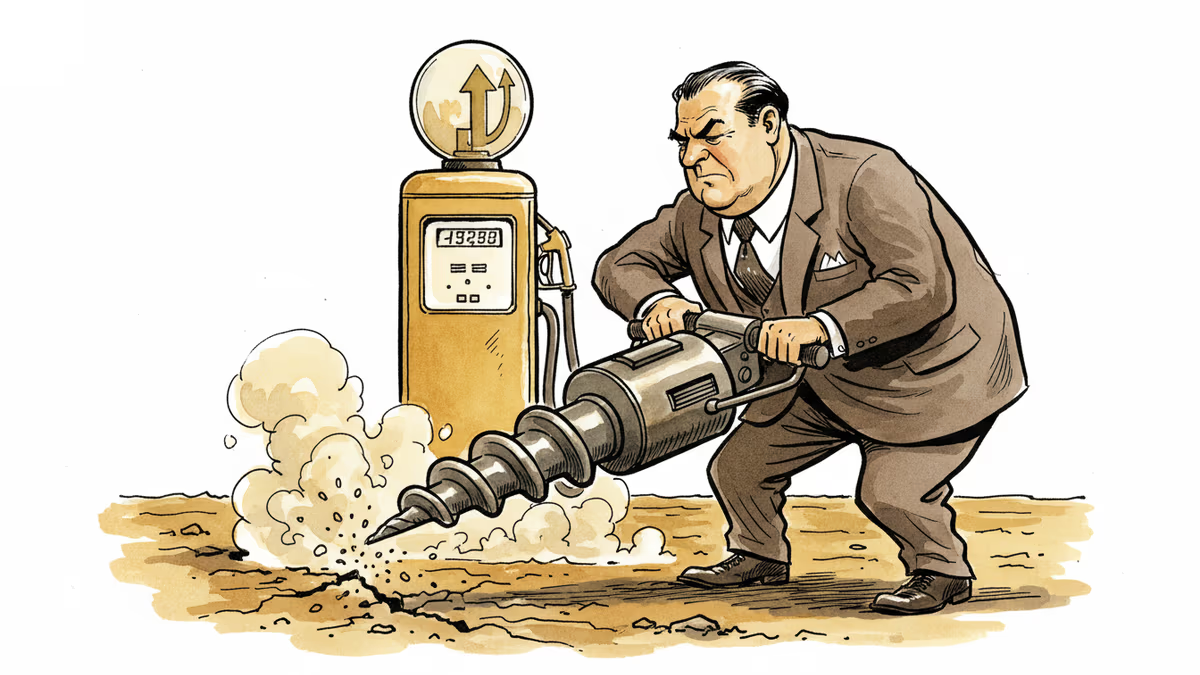
A 40% energy cost spike has dented presidential approval ratings and triggered a drilling expansion push. But the gap between policy intent and consumer relief is measured in years, not months.
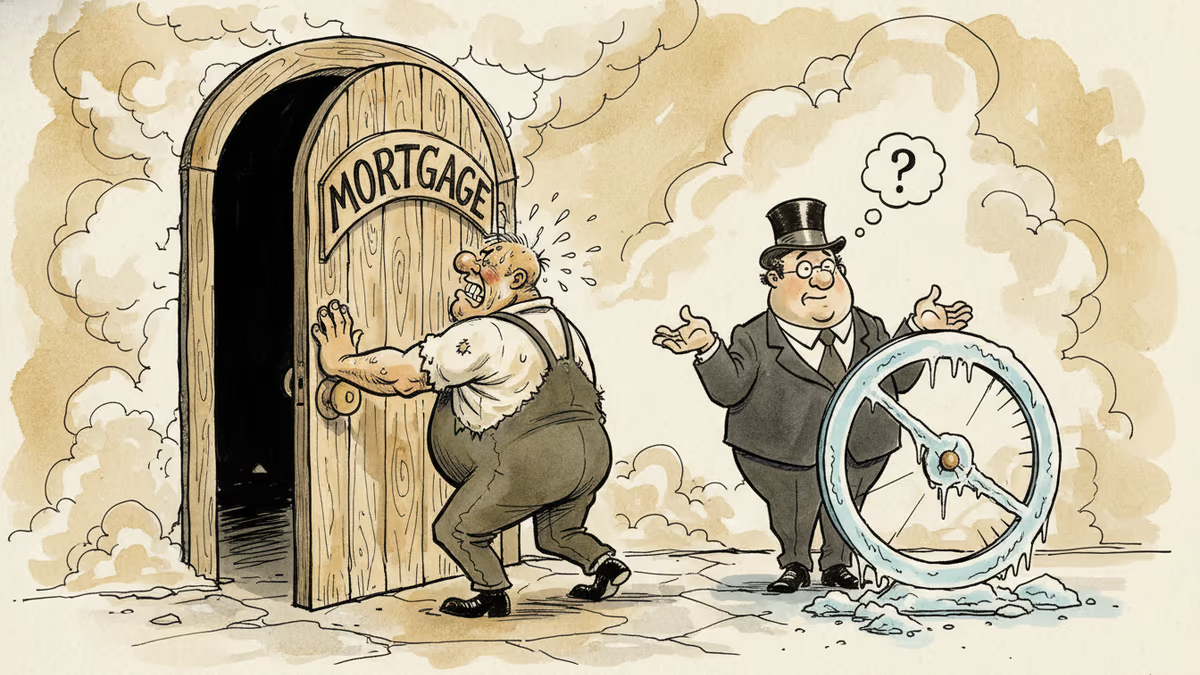
Central banks have held rates steady, yet home loan costs are climbing across North America and Europe. Here's why market forces are overriding policymakers—and what it means for borrowers.

Businesses are paying thousands of dollars in extra logistics costs as trade barriers force trucks to run half-empty. Here's who pays, who profits, and what it means for prices.
Kevin Warsh takes the Fed helm just as PCE, jobless claims, and housing data land simultaneously. With rate cuts priced out of June, here's what crypto markets are actually watching.
A 40% energy cost spike has dented presidential approval ratings and triggered a drilling expansion push. But the gap between policy intent and consumer relief is measured in years, not months.
Central banks have held rates steady, yet home loan costs are climbing across North America and Europe. Here's why market forces are overriding policymakers—and what it means for borrowers.
Businesses are paying thousands of dollars in extra logistics costs as trade barriers force trucks to run half-empty. Here's who pays, who profits, and what it means for prices.
Thoughts
Share your thoughts on this article
Sign in to join the conversation