
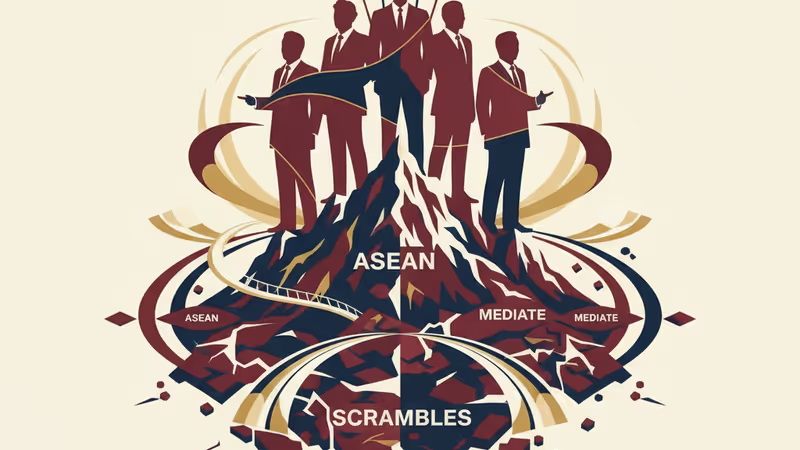
ASEAN Scrambles to Mediate Thai-Cambodia Border Crisis as Asia Faces Turbulent Year-End
In the final week of 2025, Asia grapples with a deepening Thai-Cambodian border conflict, India's aviation sector turmoil, and critical economic decisions from Japan to China. PRISM breaks down the key events.
Southeast Asian foreign ministers are convening an emergency meeting in Kuala Lumpur to address the escalating border conflict between Thailand and Cambodia. The diplomatic scramble comes as India opens a massive new airport amid an aviation crisis and Japan prepares to restart the world's largest nuclear plant, setting the stage for a volatile final week of 2025 across Asia.
Regional security is on a knife's edge as ASEAN foreign ministers meet on Monday to de-escalate the Thai-Cambodian conflict. Weeks of intensified skirmishes culminated in Thai airstrikes targeting what Bangkok described as scam centers near Cambodia's famed Angkor Wat temple, roiling the vital tourism sector. According to reports, the talks aim to salvage a peace accord signed in October, following the breakdown of a ceasefire on Dec. 8. Adding to regional anxieties, Myanmar's military regime will hold the first phase of an election on Sunday, a move drawing concern from the international community as it unfolds amid a continuing civil war.
Asia's major economies are also at a crossroads. In Japan, the Niigata Prefectural Assembly is expected to grant local approval on Monday for Tokyo Electric Power Co. (TEPCO) to restart the world's largest nuclear power plant, aiming for a Jan. 20 reboot. On Thursday, markets will parse a speech by Bank of Japan Governor Kazuo Ueda for clues on the central bank's next move after it delivered its first interest rate hike since January on Dec. 19.
In sharp contrast, China's property crisis grinds on. State-backed developer China Vanke faces a moment of truth as creditors vote by Monday morning on a proposal to delay payment on a 2 billion yuan ($284 million) bond. The company's rush to avoid default hinges on securing consent from 90% of its bondholders, a high bar that underscores the sector's persistent fragility.
Meanwhile, India's aviation industry presents a picture of both crisis and ambition. On Thursday, operations begin at the new Adani Group-built Navi Mumbai International Airport, a key infrastructure project. The opening comes at a moment of intense scrutiny for the sector, which is grappling with a staffing crisis at its largest airline, IndiGo, and the fallout from a tragic Air India crash earlier this year. Elsewhere, the Vietnam Mobility Show kicks off on Friday, highlighting the region's growing focus on electric vehicles.
PRISM Insight: As 2025 concludes, Asia presents a complex tableau of simmering geopolitical conflicts, major economic policy pivots, and structural challenges coming to a head. From ASEAN's test in crisis management to Japan's delicate monetary tightening and China's property endgame, the decisions made this week will set critical precedents for the region's trajectory in 2026.
Related Articles
Russia has rejected European and Ukrainian amendments to a U.S.-led peace proposal, casting doubt on the prospects for a diplomatic end to the war as fighting intensifies in the Sumy region.

Amid fierce debate over 'America First,' US foreign policy is at a critical juncture. An analysis of the multifaceted challenges, from tensions with China to evolving alliances.
A look at the world's most telling moments from the third week of December 2025. From scenes of loss in Gaza and Hong Kong to protests in Brussels and Minneapolis, this is the week in photos.

Three months after taking office, Japanese PM Sanae Takaichi's approval rating holds strong at 75%. This gives her a mandate to tackle a BOJ rate hike and tense China relations, but challenges loom.