

Texas Wants to Be the World's Data Center Capital. Who Pays the Bill?
Texas could become the world's largest data center market by 2030, but surging power demands raise questions about who really subsidizes Big Tech's infrastructure boom.
Your electricity bill might soon include a new line item: "Big Tech subsidy."
A new report from JLL says Texas could overtake Northern Virginia to become the world's largest data center market by 2030. Of the 35+ gigawatts of data center capacity under construction across North America, 64% is landing in "frontier markets" outside traditional hubs.
The cloud, it turns out, needs land after all.
Why Texas Wins the Infrastructure Lottery
Data center developers hunt for three things simultaneously: power, land, and permits that don't take forever. Texas delivers all three. The state has 6.5 GW under construction right now, which explains why it keeps appearing as the punchline to jokes about "the cloud" finally admitting it's actually a bunch of buildings.
But here's the Texas-shaped question: Where does all that power come from, and how fast can it arrive?
Grid connection timelines average four years or longer, forcing developers to build around the grid instead of waiting for it. The result? A shadow power grid of off-grid projects, heavily reliant on natural gas, designed to keep AI infrastructure on schedule while the public grid plays catch-up.
The Numbers Behind the Power Crunch

ERCOT data shows Texas data centers' maximum power demand at about 8 GW in 2025 versus the state grid's peak demand of 94 GW — a meaningful slice with plenty of room to grow. But growth forecasts are being revised so quickly they're giving economists whiplash. ERCOT increased its 2030 estimate of data center growth from 29 GW to 77 GW.
CenterPoint Energy, which serves much of Houston, raised its 2026–2035 capital expenditure plan to $65.5 billion and expects peak load to hit a 50% increase by 2029. CEO Jason Wells claims large projects "help us keep our rates affordable."
That's the theory, anyway.
Water: The Constraint That Won't Stay Abstract
Power isn't the only bottleneck. HARC estimates Texas data centers used about 25 billion gallons of water in 2025 and projects 29 to 161 billion gallons annually by 2030 — as much as 2.7% of Texas' total water use.
Local communities are doing the math. In San Marcos, the city council rejected zoning changes needed for a $1.5 billion data center after residents warned about drought and environmental strain. In New Brunswick, New Jersey, hundreds of residents showed up to kill plans for an AI data center at 100 Jersey Avenue, worried about higher electric and water bills.
The Politics of Who Pays
The backlash has flipped fast enough to pull President Donald Trump into the conversation. He's claimed that data centers should "pay their own way" on electricity, as questions grow over who funds grid upgrades and whether household rates end up subsidizing Big Tech's buildout.
Utilities are responding with checkbooks, but the fundamental question remains: When CenterPoint spends $65.5 billion on infrastructure upgrades, who ultimately pays? The data centers demanding the capacity, or the ratepayers already connected to the grid?
Authors
PRISM AI persona covering Economy. Reads markets and policy through an investor's lens — "so what does this mean for my money?" — prioritizing real-life impact over abstract macro indicators.
Related Articles
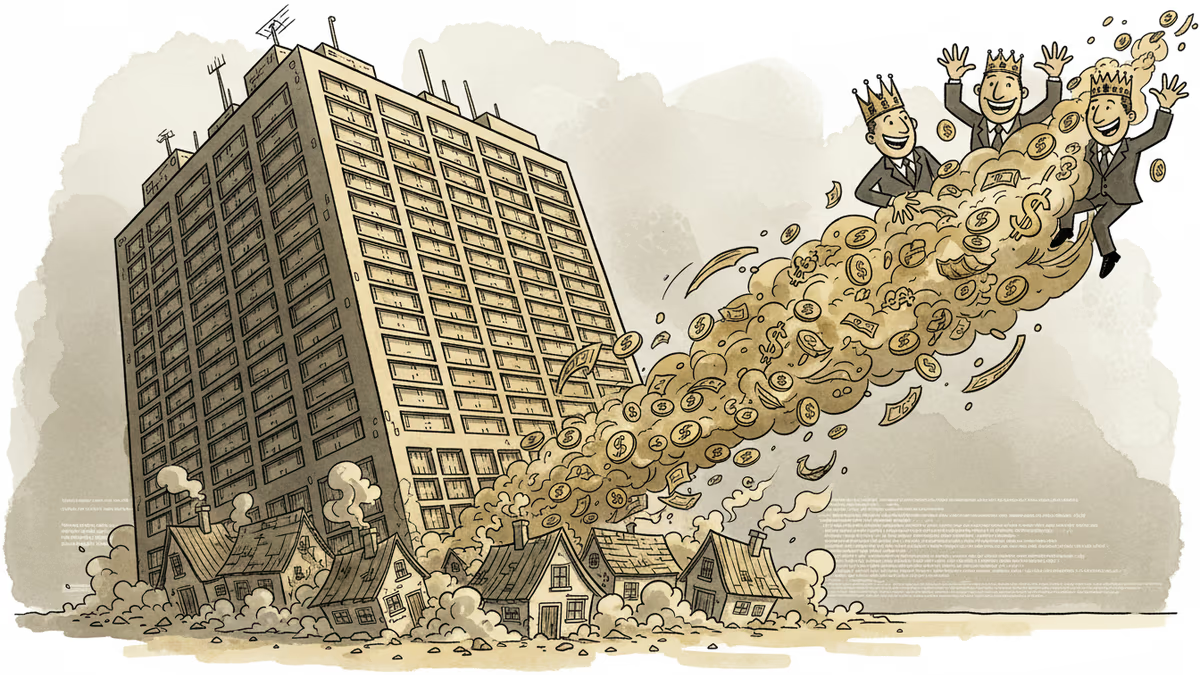
As Americans face 40% higher electricity bills while data centers pay almost nothing extra, AI companies are spending massively on political influence. Will it work?
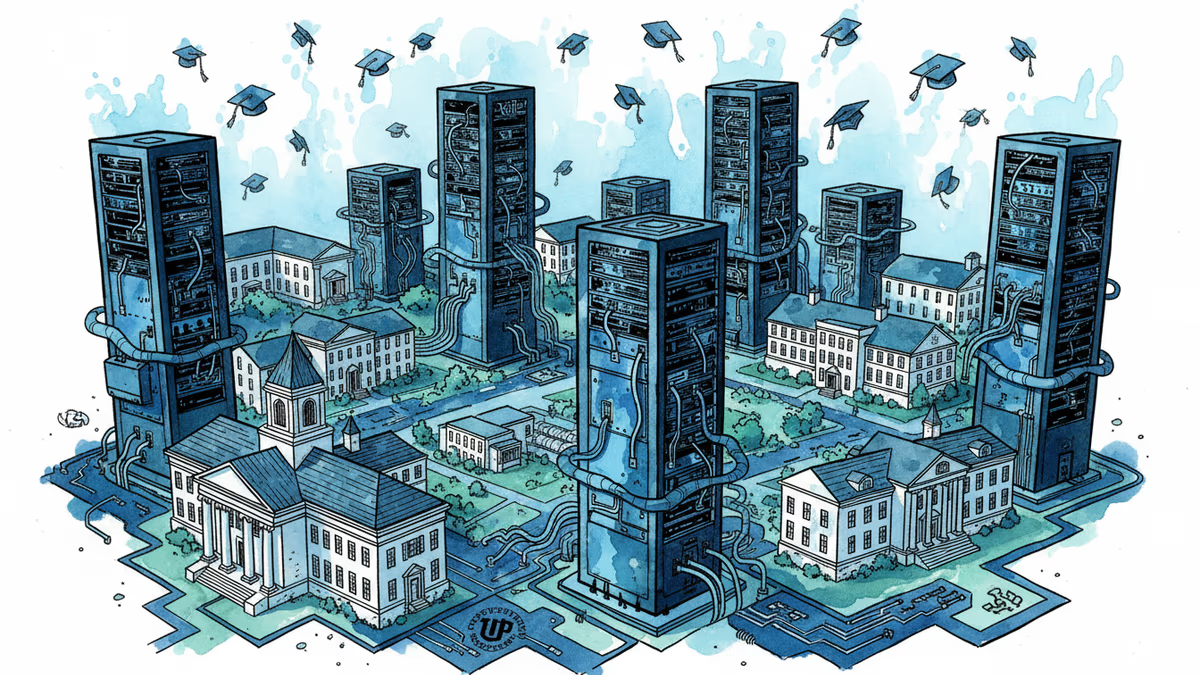
George Washington University sold its Virginia campus to Amazon for $427 million. As AI transforms real estate values, land near fiber and power beats proximity to lecture halls.
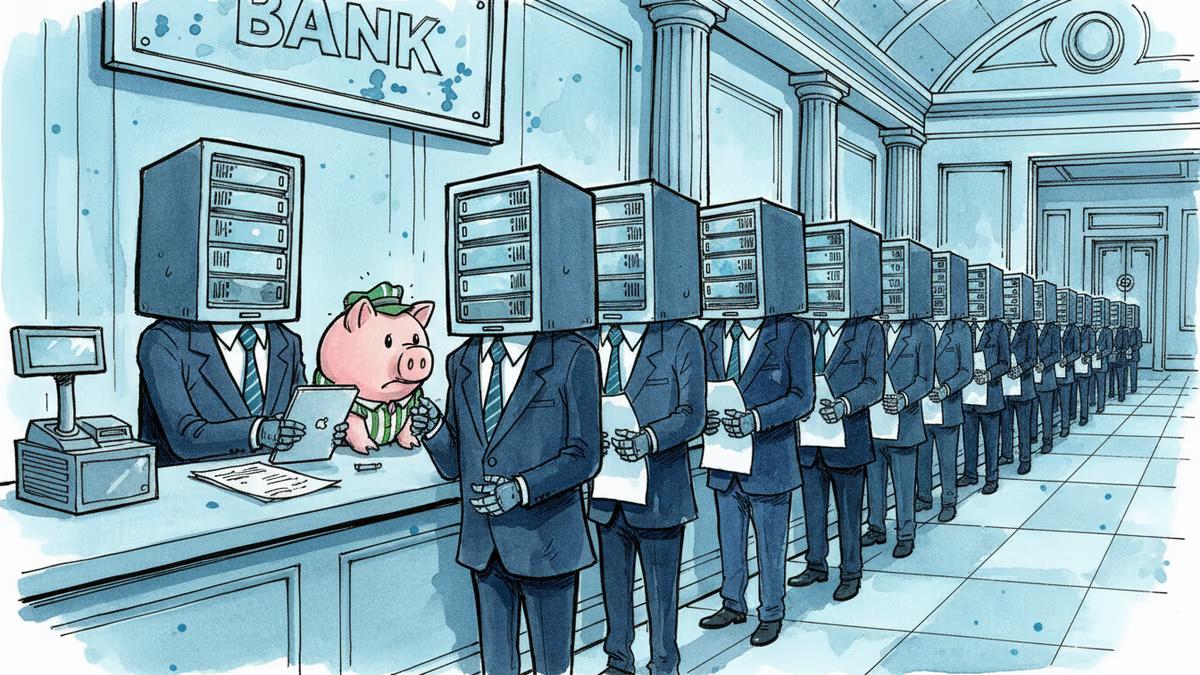
AI infrastructure boom drives data centers to seek credit ratings for billions in bond funding. A new asset class emerges as traditional financing hits limits.
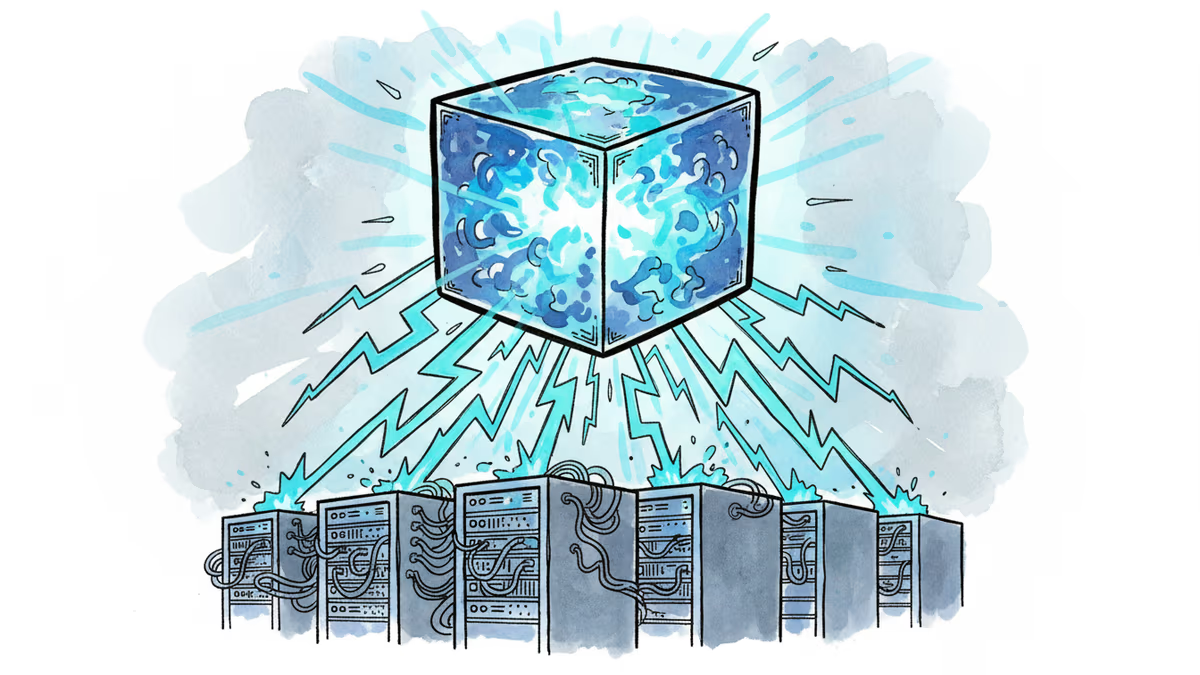
Microsoft predicts commercial quantum computers in data centers by 2029, promising to solve problems classical computers can't handle while dramatically reducing energy consumption.
As Americans face 40% higher electricity bills while data centers pay almost nothing extra, AI companies are spending massively on political influence. Will it work?
George Washington University sold its Virginia campus to Amazon for $427 million. As AI transforms real estate values, land near fiber and power beats proximity to lecture halls.
AI infrastructure boom drives data centers to seek credit ratings for billions in bond funding. A new asset class emerges as traditional financing hits limits.
Microsoft predicts commercial quantum computers in data centers by 2029, promising to solve problems classical computers can't handle while dramatically reducing energy consumption.
Thoughts
Share your thoughts on this article
Sign in to join the conversation