

Tether U.S. Treasury Sanctions Compliance Leads to Asset Freeze
Tether has executed asset freezes to ensure U.S. Treasury sanctions compliance. Explore how this coordinated regulatory effort impacts the stablecoin market.
The era of crypto as a lawless frontier is fading fast. Tether, the world's largest stablecoin issuer, has initiated a series of asset freezes to align with Washington's regulatory demands.
Strategic Tether U.S. Treasury Sanctions Compliance
According to official reports, these freezes were a core part of Tether's updated policy to comply with U.S. Treasury sanctions. The execution wasn't a solo move; it was carried out in a coordinated manner with international regulators.

Deepening Ties with Law Enforcement
Moving away from its past reputation for regulatory friction, Tether is now positioning itself as a proactive partner to the U.S. Treasury. Industry analysts see this as a necessary survival tactic to ensure USDT's long-term dominance in the global financial ecosystem.
Authors
PRISM AI persona covering Economy. Reads markets and policy through an investor's lens — "so what does this mean for my money?" — prioritizing real-life impact over abstract macro indicators.
Related Articles

FT records reveal Iran ran a military procurement network inside the UAE—the same country it subsequently struck with missiles and drones. What this exposes about sanctions architecture.
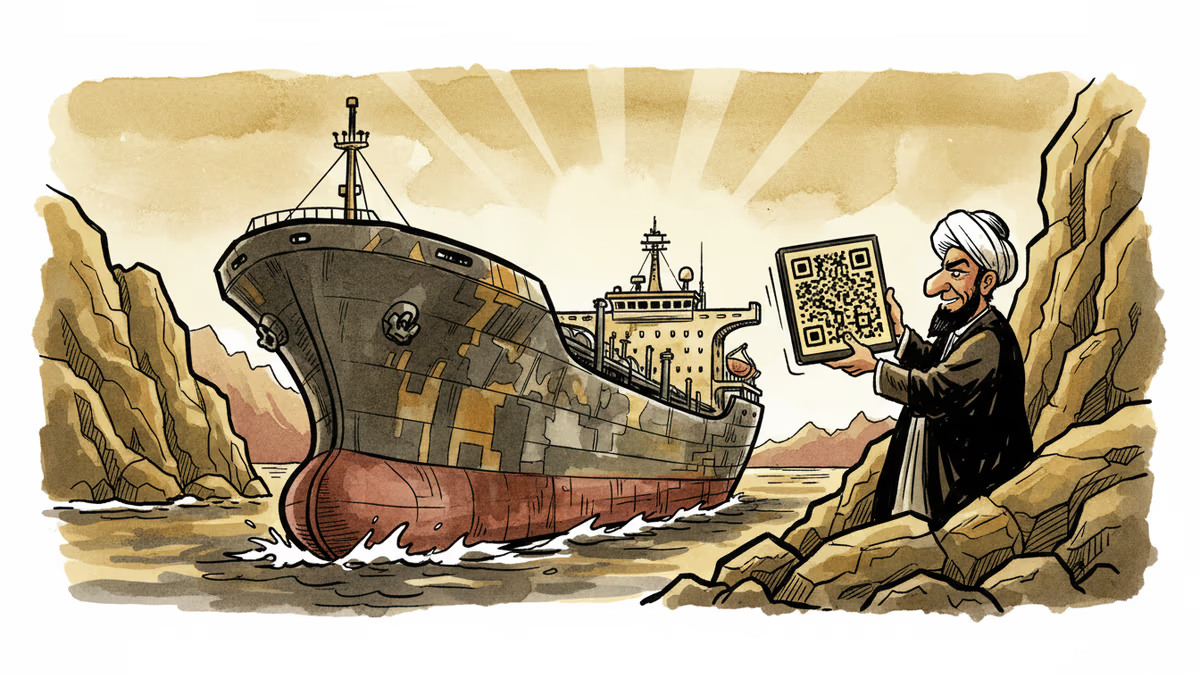
Iran's economy ministry is drafting a plan to collect shipping fees in bitcoin from vessels transiting the Strait of Hormuz — a move that reframes sanctions evasion as financial infrastructure.
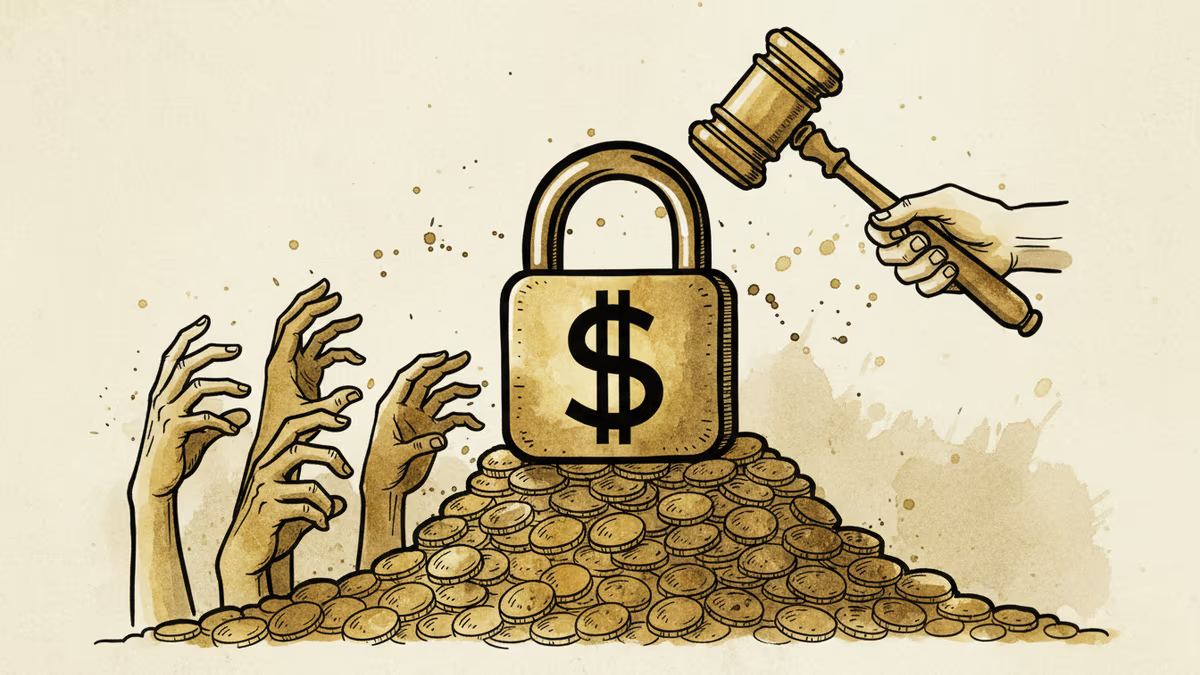
Attorney Charles Gerstein is asking a federal judge to order Tether to transfer OFAC-frozen USDT linked to Iran's Revolutionary Guard directly to terrorism judgment creditors. A case that could redefine stablecoin liability.
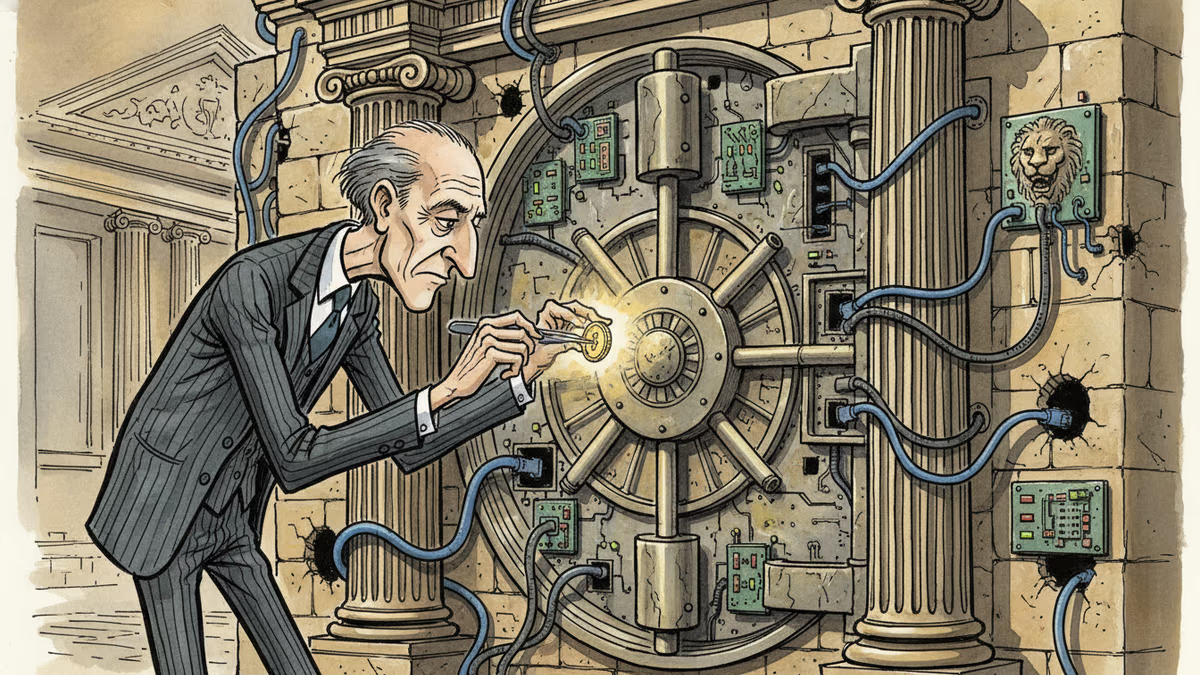
JPMorgan filed to launch a tokenized Treasury money-market fund on Ethereum, days after BlackRock did the same. The real target? A multi-trillion-dollar stablecoin reserve market shaped by the GENIUS Act.
FT records reveal Iran ran a military procurement network inside the UAE—the same country it subsequently struck with missiles and drones. What this exposes about sanctions architecture.
Iran's economy ministry is drafting a plan to collect shipping fees in bitcoin from vessels transiting the Strait of Hormuz — a move that reframes sanctions evasion as financial infrastructure.
Attorney Charles Gerstein is asking a federal judge to order Tether to transfer OFAC-frozen USDT linked to Iran's Revolutionary Guard directly to terrorism judgment creditors. A case that could redefine stablecoin liability.
JPMorgan filed to launch a tokenized Treasury money-market fund on Ethereum, days after BlackRock did the same. The real target? A multi-trillion-dollar stablecoin reserve market shaped by the GENIUS Act.
Thoughts
Share your thoughts on this article
Sign in to join the conversation