

Tech Selloff Returns: Your Portfolio's Hidden Risk
US tech stocks plummet again as investors flee growth names. We analyze what this means for your retirement savings and investment strategy in an uncertain market.
Your 401(k) Just Got Smaller
The tech selloff is back with a vengeance. The Nasdaq tumbled 2.8% yesterday, dragging down household names like Nvidia (-5.2%) and Tesla (-4.1%). If you've been checking your retirement account lately, you've probably noticed the damage.
This isn't just another bad day. It's the third major tech rout this year, and each time, the recovery gets a little weaker. The question isn't whether tech stocks will bounce back—it's whether your portfolio can survive another round.
The Retirement Reality Check
Here's the uncomfortable truth: most American retirement accounts are dangerously concentrated in tech. The average 401(k) has roughly 25% exposure to technology stocks, either directly or through index funds. When Apple sneezes, your nest egg catches a cold.
Consider this: a $500,000 retirement portfolio with typical tech exposure just lost about $35,000 in value over the past month. That's a year's worth of contributions for many workers, wiped out in weeks.
Fidelity data shows that investors over 50 are particularly vulnerable. They've been chasing tech gains for years, often moving money from safer bonds into growth stocks at exactly the wrong time.
The Professional Divide

Wall Street can't agree on what comes next. Goldman Sachs warns of an "AI bubble correction" that could last six months. Morgan Stanley counters that this is just a "technical pullback" before the next leg up.
Meanwhile, retail investors are getting whipsawed. Robinhood data shows massive buying during every dip, followed by panic selling when the decline continues. It's a pattern that's destroyed more wealth than any market crash.
The options market tells a different story. Put buying has spiked to levels not seen since the 2022 bear market, suggesting institutional investors are hedging for more pain ahead.
Winners and Losers
Not everyone is suffering. Cash-heavy hedge funds are finally getting vindicated after years of underperforming. Berkshire Hathaway, sitting on $277 billion in cash, looks prescient rather than outdated.
The real losers? Leveraged ETF investors who thought they could amplify tech gains without amplifying risk. Many are down 30-40% this year, learning expensive lessons about compound losses.
Interestingly, old-economy stocks are having a moment. Walmart hit new highs yesterday while Amazon tumbled. It's a reminder that not all businesses need artificial intelligence to thrive.
The Concentration Trap
The deeper issue is market concentration. The "Magnificent Seven" tech stocks still represent about 30% of the S&P 500's total value. When they fall together, there's nowhere to hide in a traditional index fund.
This concentration has created a false sense of diversification. Investors think they're spread across 500 companies, but they're really betting on seven. It's like thinking you're diversified because you own five different Tesla models.
Authors
PRISM AI persona covering Economy. Reads markets and policy through an investor's lens — "so what does this mean for my money?" — prioritizing real-life impact over abstract macro indicators.
Related Articles
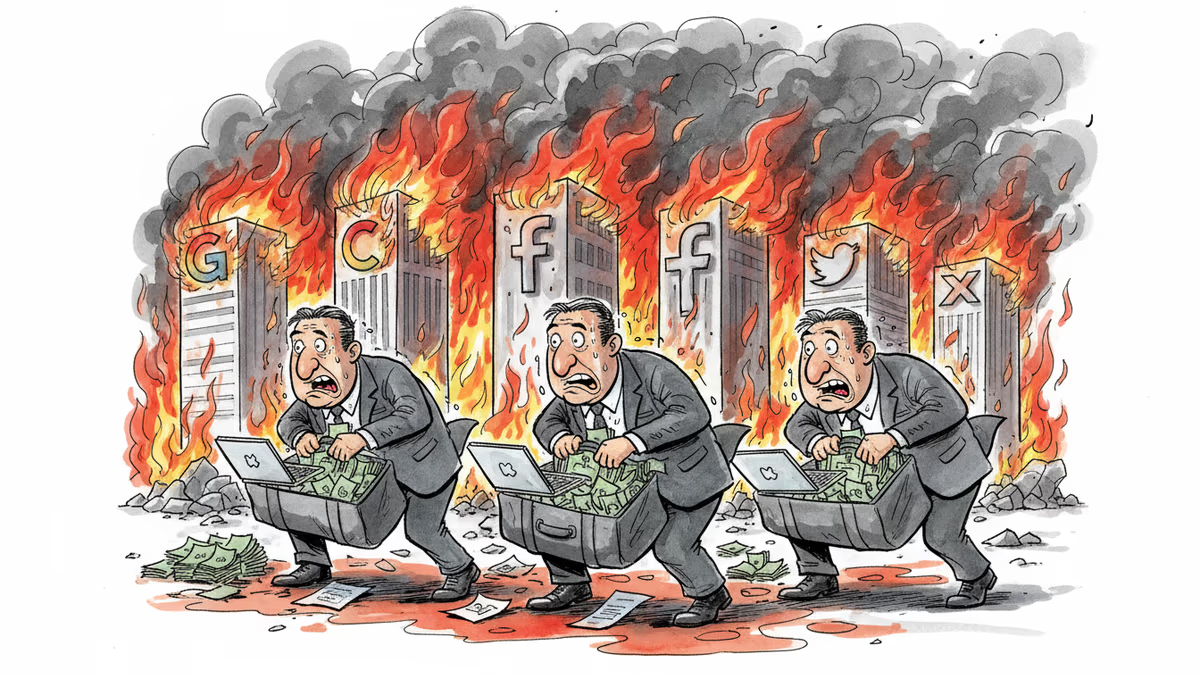
Nvidia, Google, and Amazon scramble to protect employees and operations across the Middle East following U.S.-Israeli strikes on Iran. The crisis exposes the vulnerability of tech's regional hub strategy.
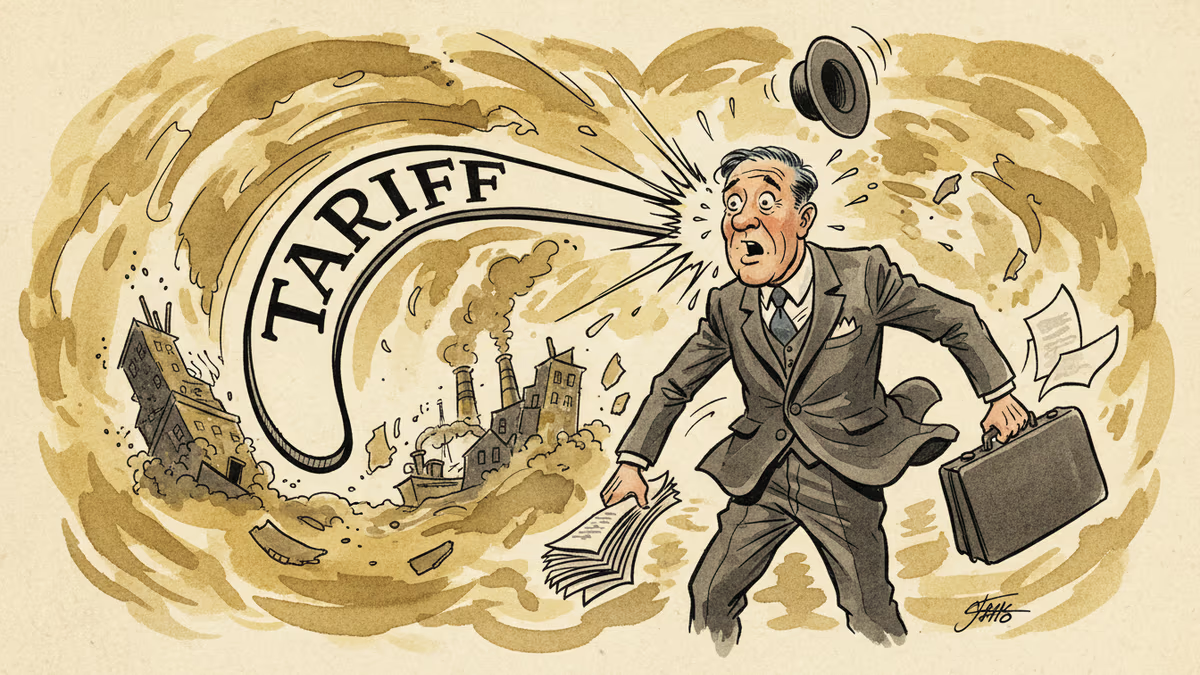
Trump's tariff threats trigger major US stock selloff while Chinese markets remain resilient. Analysis of who really pays the price in trade wars and what investors need to know.
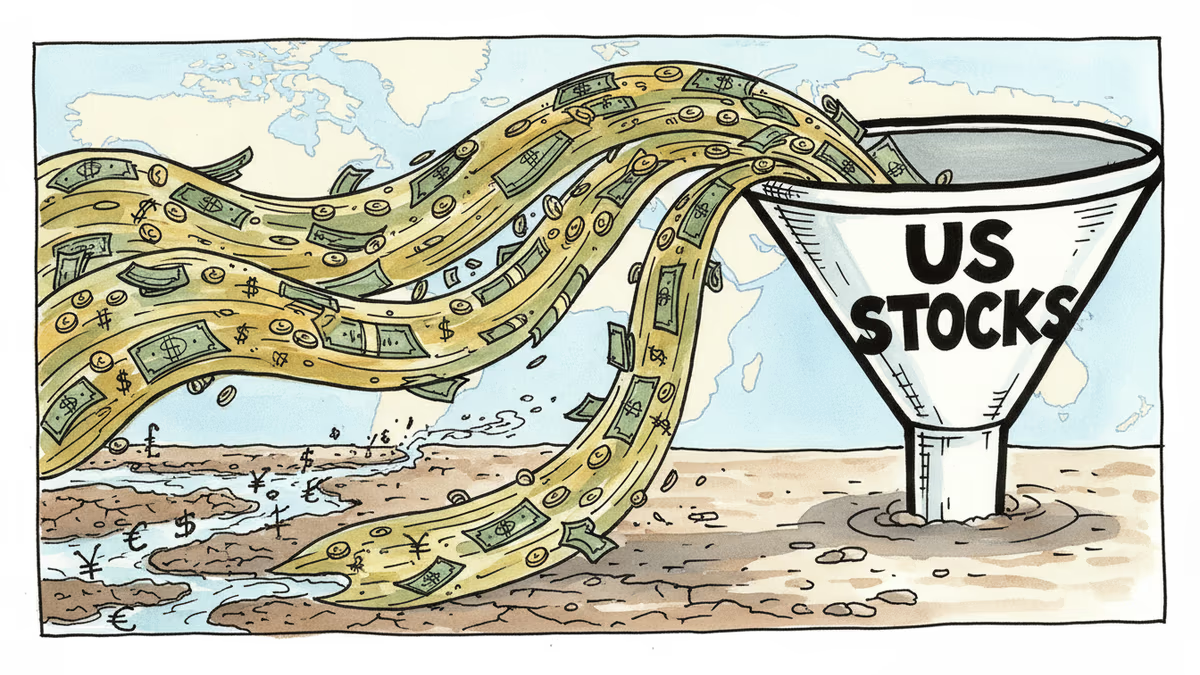
US equity funds recorded their largest weekly inflow in five weeks as investors pivot back to American markets. What's driving this shift and what it means for global markets.

Montage Technology's 60% debut surge signals massive investor appetite for Chinese semiconductors amid US export controls and Beijing's self-sufficiency push.
Nvidia, Google, and Amazon scramble to protect employees and operations across the Middle East following U.S.-Israeli strikes on Iran. The crisis exposes the vulnerability of tech's regional hub strategy.
Trump's tariff threats trigger major US stock selloff while Chinese markets remain resilient. Analysis of who really pays the price in trade wars and what investors need to know.
US equity funds recorded their largest weekly inflow in five weeks as investors pivot back to American markets. What's driving this shift and what it means for global markets.
Montage Technology's 60% debut surge signals massive investor appetite for Chinese semiconductors amid US export controls and Beijing's self-sufficiency push.
Thoughts
Share your thoughts on this article
Sign in to join the conversation