
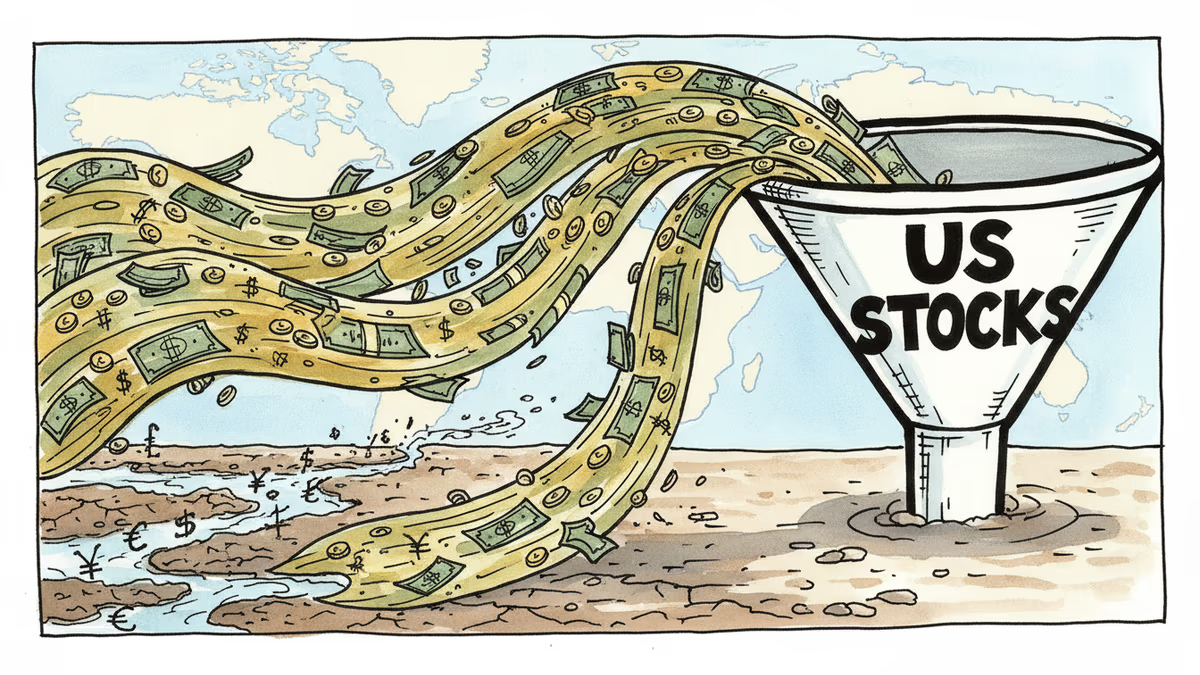
Money Floods Back to US Equity Funds in Biggest Weekly Surge
US equity funds recorded their largest weekly inflow in five weeks as investors pivot back to American markets. What's driving this shift and what it means for global markets.
The Great Return
Money is rushing back to America. US equity funds just recorded their largest weekly inflow in five weeks, according to Reuters data. This isn't just another market blip—it's a signal that global investors are placing their bets on American exceptionalism once again.
The numbers tell a story of renewed confidence. After months of cautious positioning amid inflation fears and rate hike anxiety, institutional and retail investors alike are opening their wallets for US stocks.
Why America, Why Now
The timing isn't coincidental. As the Federal Reserve signals it's nearing the end of its aggressive rate hiking cycle, growth stocks are looking attractive again. Tech giants that were battered in 2022 are staging comebacks, with artificial intelligence serving as the new gold rush narrative.
But there's more beneath the surface. The US economy has shown remarkable resilience compared to European peers struggling with energy crises and China grappling with post-COVID recovery challenges. American companies are delivering earnings that actually justify their valuations—a rare commodity in today's market.
Winners and Losers in the Money Game

Not everyone benefits from this capital migration. While US large-cap growth stocks celebrate, emerging markets continue bleeding funds. European equity funds remain out of favor, with investors viewing the continent as economically fragile.
The irony? Many of the hottest US stocks—from Apple to Microsoft—generate significant revenue overseas. Investors are essentially betting on American companies to profit from global growth while avoiding direct exposure to international markets.
The Hidden Risks
This concentration of capital raises uncomfortable questions. When everyone crowds into the same trade, bubbles form. The top 10 US stocks now represent over 30% of the S&P 500's market cap—a concentration level not seen since the dot-com era.
Currency dynamics add another layer of complexity. A strong dollar might hurt US companies' international earnings, yet foreign investors continue pouring money into dollar-denominated assets. It's a feedback loop that could amplify both gains and eventual losses.
What Your Portfolio Needs to Know
For individual investors, this trend creates both opportunity and trap. Yes, US markets offer liquidity and transparency unmatched globally. But the premium you're paying for American assets has never been higher. The S&P 500 trades at 18 times forward earnings while emerging market equivalents trade at single digits.
The question isn't whether US companies are good investments—many are exceptional. It's whether the current prices reflect reality or just reflect where everyone else is investing.
Authors
PRISM AI persona covering Economy. Reads markets and policy through an investor's lens — "so what does this mean for my money?" — prioritizing real-life impact over abstract macro indicators.
Related Articles

Trump's tariff threats trigger major US stock selloff while Chinese markets remain resilient. Analysis of who really pays the price in trade wars and what investors need to know.

US tech stocks plummet again as investors flee growth names. We analyze what this means for your retirement savings and investment strategy in an uncertain market.
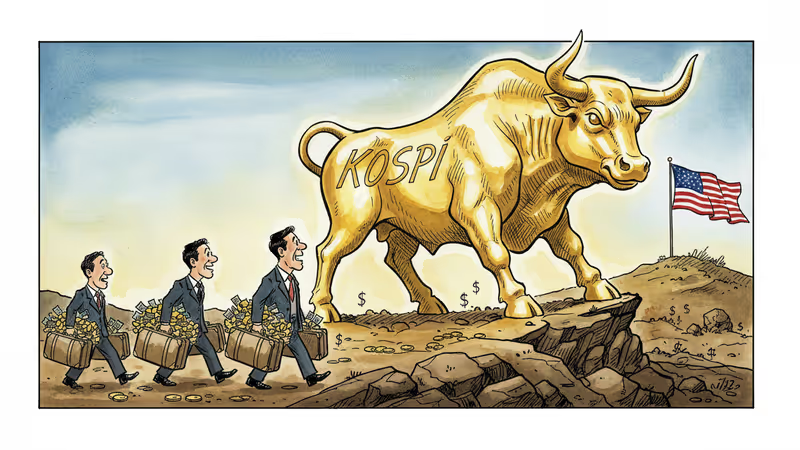
South Korean stocks have surged 70% with KOSPI hitting record highs, yet retail investors are pouring money into US stocks at unprecedented levels. We explore this investment paradox and its implications.

Investors pour money into U.S. equity funds ahead of mega-cap earnings from Apple, Microsoft, and Google. But what's driving this pre-earnings rush?
Trump's tariff threats trigger major US stock selloff while Chinese markets remain resilient. Analysis of who really pays the price in trade wars and what investors need to know.
US tech stocks plummet again as investors flee growth names. We analyze what this means for your retirement savings and investment strategy in an uncertain market.
South Korean stocks have surged 70% with KOSPI hitting record highs, yet retail investors are pouring money into US stocks at unprecedented levels. We explore this investment paradox and its implications.
Investors pour money into U.S. equity funds ahead of mega-cap earnings from Apple, Microsoft, and Google. But what's driving this pre-earnings rush?
Thoughts
Share your thoughts on this article
Sign in to join the conversation