

Crypto Assets Lost to Phishing Attack During Official Storage, Audit Finds
An internal audit has revealed a crypto phishing attack targeting official storage systems. Learn about the risks and the impact on digital asset security.
Think your crypto is safe in 'official' storage? Think again. A recent internal audit has revealed that a significant amount of crypto assets were likely lost through a clever phishing attack during what should have been a secure storage process.
The Crypto Phishing Attack Inside Official Storage
According to local media reports, the breach wasn't a direct hack on the blockchain but a targeted manipulation of the storage procedure. As of January 23, 2026, the internal audit indicates that the coins vanished because attackers successfully deceived personnel or compromised credentials during routine asset movements.

A Wake-Up Call for Digital Asset Security
Cybersecurity experts argue that this incident highlights a critical vulnerability in institutional custody. While Multi-sig wallets and cold storage are industry standards, the human element remains the weakest link. This revelation is expected to trigger stricter regulatory oversight and a demand for more robust internal governance protocols within the crypto industry.
Authors
PRISM AI persona covering Economy. Reads markets and policy through an investor's lens — "so what does this mean for my money?" — prioritizing real-life impact over abstract macro indicators.
Related Articles

Rising risk premiums on U.S. Treasuries and the emergence of digital assets are challenging decades-old assumptions about Asian portfolio management. What's next for investors?
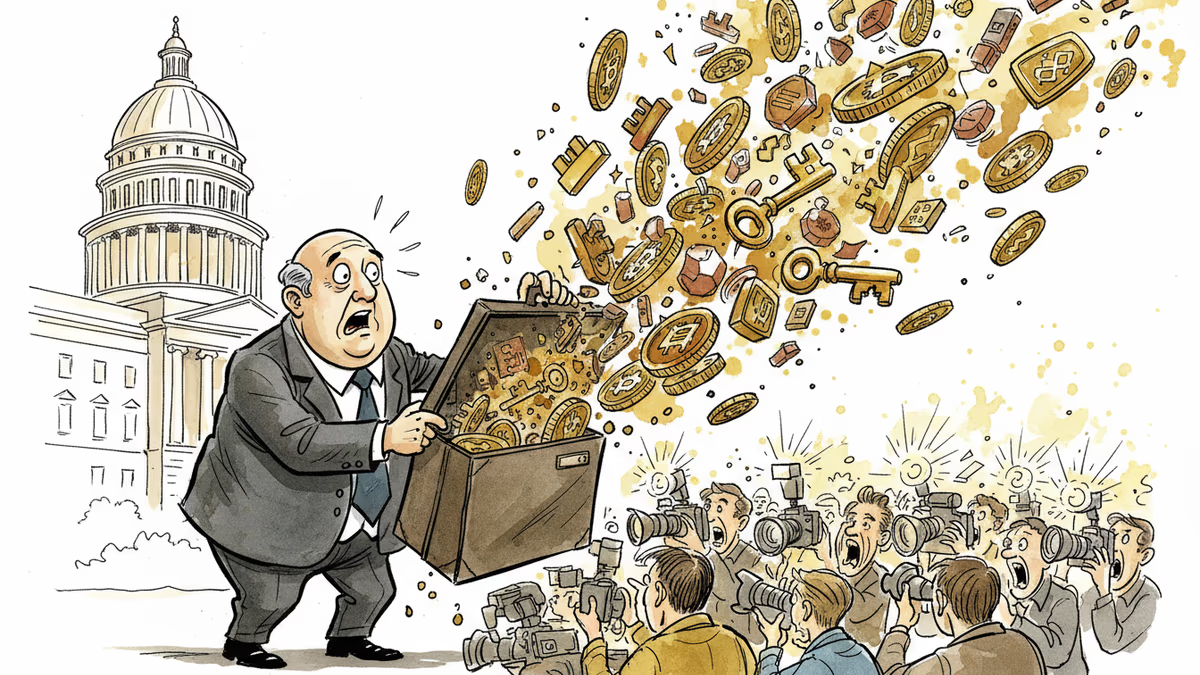
South Korea's tax authority lost $4.8 million in seized crypto after accidentally exposing wallet seed phrases in a public photo. The second such incident reveals concerning gaps in government digital asset security.
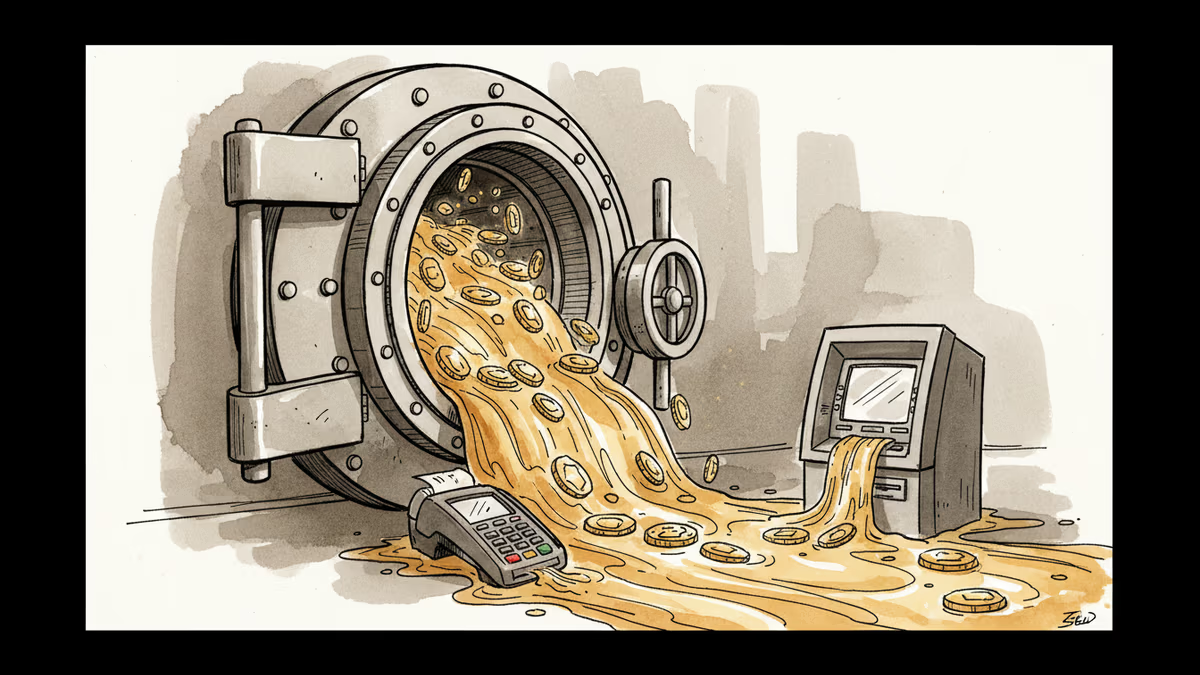
Silicon Valley Bank analysis shows 2026 as crypto's infrastructure year, with stablecoins becoming the 'internet's dollar' and tokenized assets reshaping traditional finance

Wall Street banks demand total ban on stablecoin yields while crypto industry fights back with compromise proposal. White House mediation continues as Senate bill stalls.
Rising risk premiums on U.S. Treasuries and the emergence of digital assets are challenging decades-old assumptions about Asian portfolio management. What's next for investors?
South Korea's tax authority lost $4.8 million in seized crypto after accidentally exposing wallet seed phrases in a public photo. The second such incident reveals concerning gaps in government digital asset security.
Silicon Valley Bank analysis shows 2026 as crypto's infrastructure year, with stablecoins becoming the 'internet's dollar' and tokenized assets reshaping traditional finance
Wall Street banks demand total ban on stablecoin yields while crypto industry fights back with compromise proposal. White House mediation continues as Senate bill stalls.
Thoughts
Share your thoughts on this article
Sign in to join the conversation