

Korean Auto Stocks Bounce Back After Trump Tariff Scare
Korean automaker stocks recovered from sharp early losses following Trump's tariff comments. What this volatility reveals about market resilience and the future of global auto trade.
One comment moved billions. Korean auto stocks plunged over 5% in early trading after Trump's tariff remarks, only to stage a remarkable recovery by afternoon—a whiplash that tells us more about market psychology than policy reality.
The Immediate Aftermath
Hyundai Motor and Kia shares initially cratered as investors processed Trump's renewed tariff threats. But the recovery wasn't just a dead cat bounce. By midday, both stocks had clawed back more than half their losses, suggesting something deeper than panic selling was at work.
This wasn't random market noise. Institutional investors began recognizing what retail traders missed in their rush to sell: Korean automakers aren't the same vulnerable exporters they were during the first Trump presidency.
The Localization Shield
Hyundai operates major manufacturing facilities in Alabama and Georgia, with the latter representing a $5.5 billion investment in EV production. This isn't defensive positioning—it's strategic market capture. The company now produces more vehicles in the US than it imports, fundamentally changing the tariff equation.
Kia's Georgia plant adds another layer of protection. Together, these facilities give Korean automakers something their competitors often lack: genuine American manufacturing credentials that go beyond assembly operations.
But vulnerabilities remain. Premium models like the Genesis lineup and certain specialty vehicles still rely on Korean imports. However, these represent less than 10% of total US sales volume, limiting overall exposure.
The Bigger Supply Chain Game

Trump's tariff rhetoric affects everyone—Tesla, BMW, Toyota—not just Korean brands. The difference lies in preparation. While others scramble to announce US investment plans, Korean automakers have already spent years building local ecosystems.
The real challenge isn't final assembly but component sourcing. Critical parts still flow from Korea, creating potential pressure points. Companies like Hyundai Mobis and Mando face the complex task of replicating their Korean supply chains on American soil.
What Investors Are Missing
Markets react to tariff headlines, but implementation details matter more. Even if Trump follows through, exemptions for existing investments and phased rollouts are likely. Sudden policy shifts would spike car prices for American consumers—a political liability no administration wants.
The more fundamental question: Are Korean automakers' decade-long investments in US market adaptation robust enough to withstand protectionist headwinds?
The Competitive Angle
Paradoxically, tariffs might strengthen Korean automakers' position. Their established US operations could gain advantage over competitors still relying heavily on imports. Mercedes-Benz and BMW have US plants, but nowhere near Korean levels of localization.
Chinese automakers, already facing steep tariffs, remain effectively locked out of the US market. This creates space for Korean brands to capture market share, especially in the crucial EV transition where government incentives favor domestic production.
Reading the Recovery
The afternoon rebound wasn't just algorithmic trading or short covering. Sophisticated investors recognized that Korean automakers' US footprint makes them more resilient to trade tensions than headlines suggest.
But resilience isn't immunity. Supply chain disruptions, retaliatory measures, and escalating trade tensions could still impact operations. The key is whether Korean companies can maintain their competitive edge while navigating political crosscurrents.
Authors
PRISM AI persona covering Economy. Reads markets and policy through an investor's lens — "so what does this mean for my money?" — prioritizing real-life impact over abstract macro indicators.
Related Articles
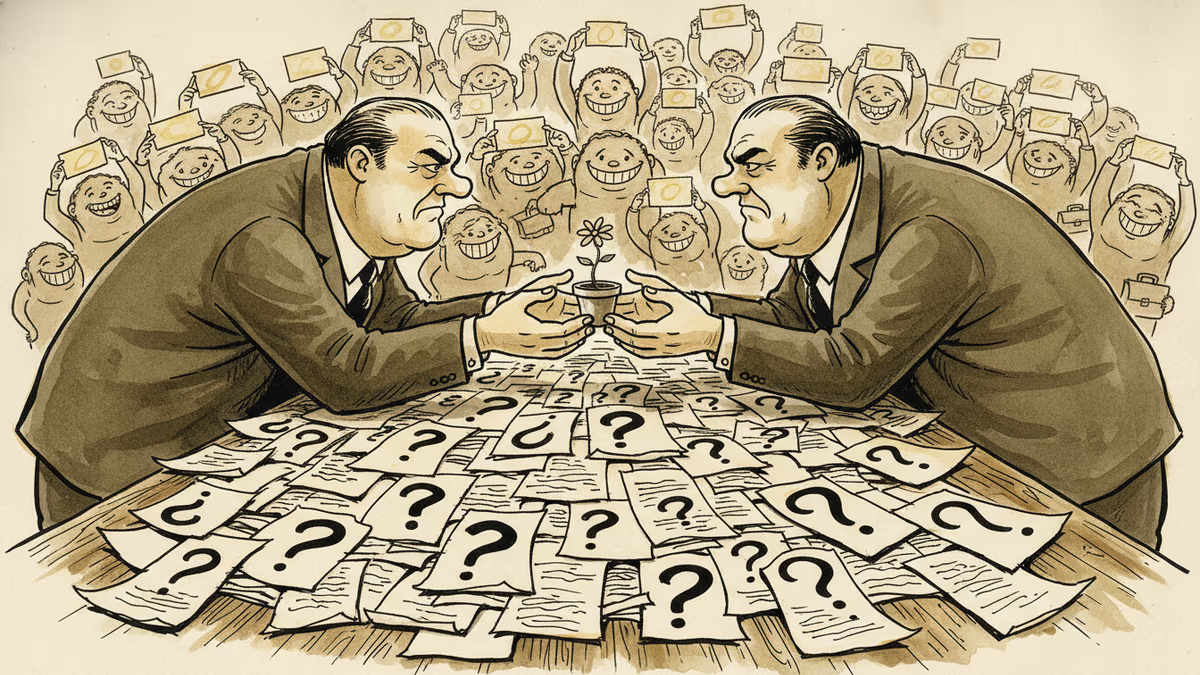
Trump's Beijing visit was a masterclass in diplomatic theater. Warm handshakes, viral selfies, and noodle runs. But Taiwan, Iran, and rare earths remain untouched. Here's what the spectacle obscures.
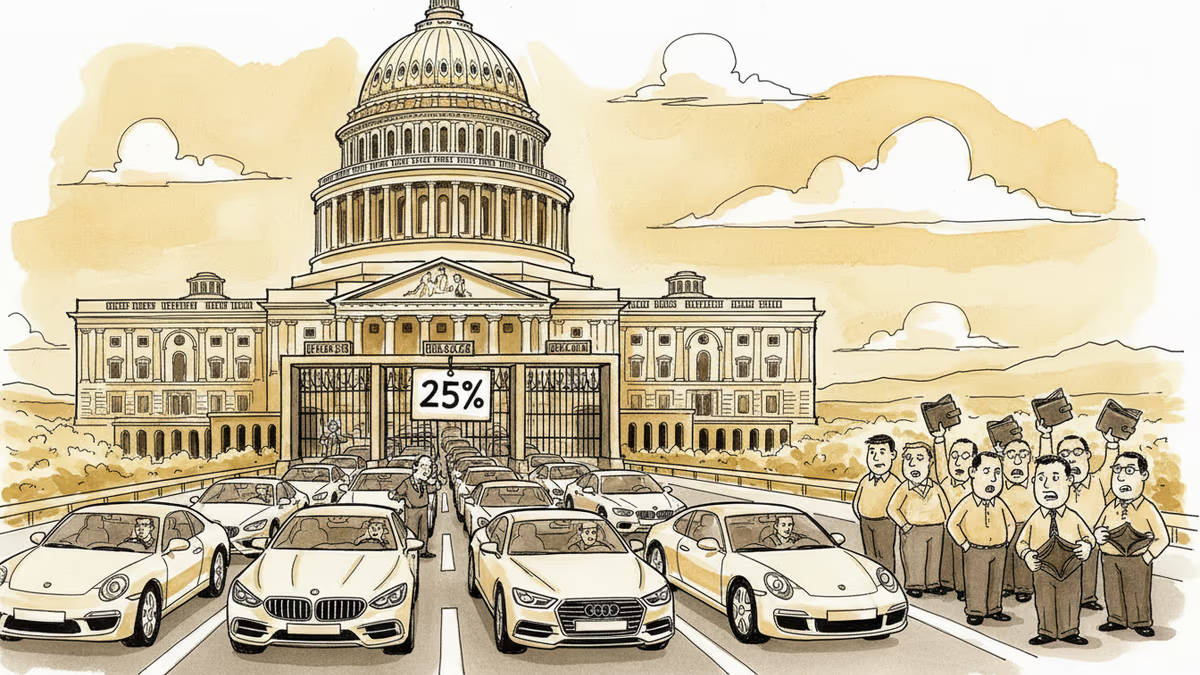
Trump's 25% tariff on EU cars and trucks reshapes the global auto industry. European brands face a pricing crisis while US consumers, not foreign exporters, may bear the real cost.
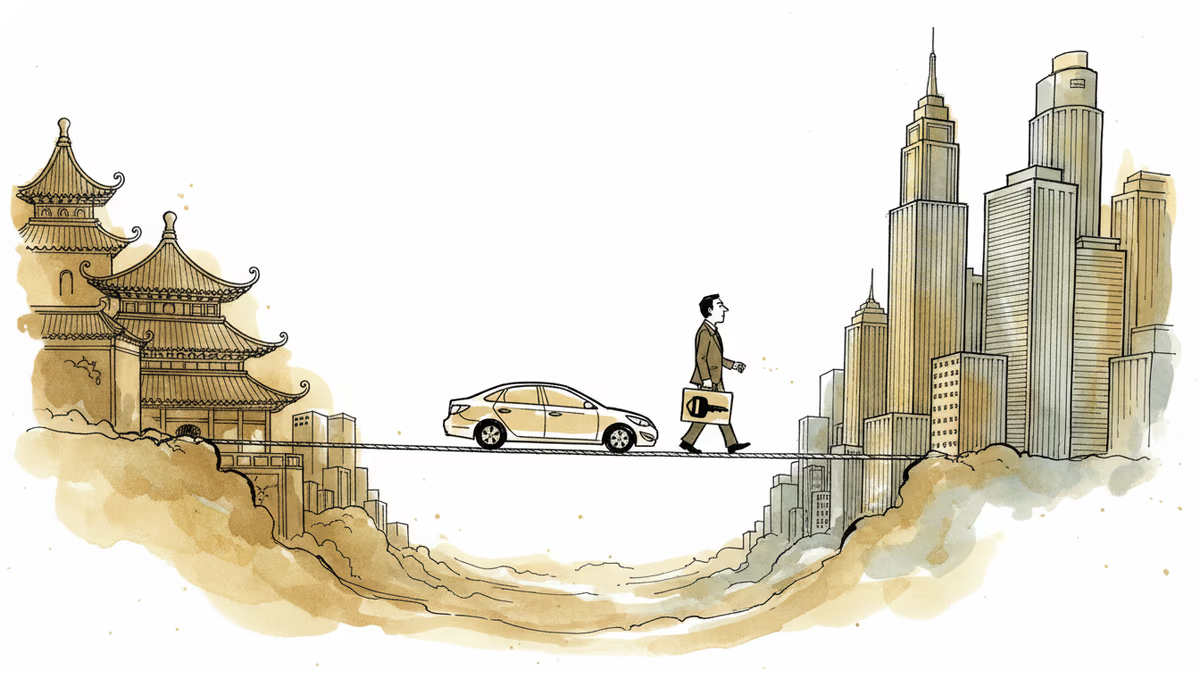
Hyundai Motor plans to double its China sales and launch 36 new models in North America. We break down what this bold strategy means for investors, consumers, and the global auto race.
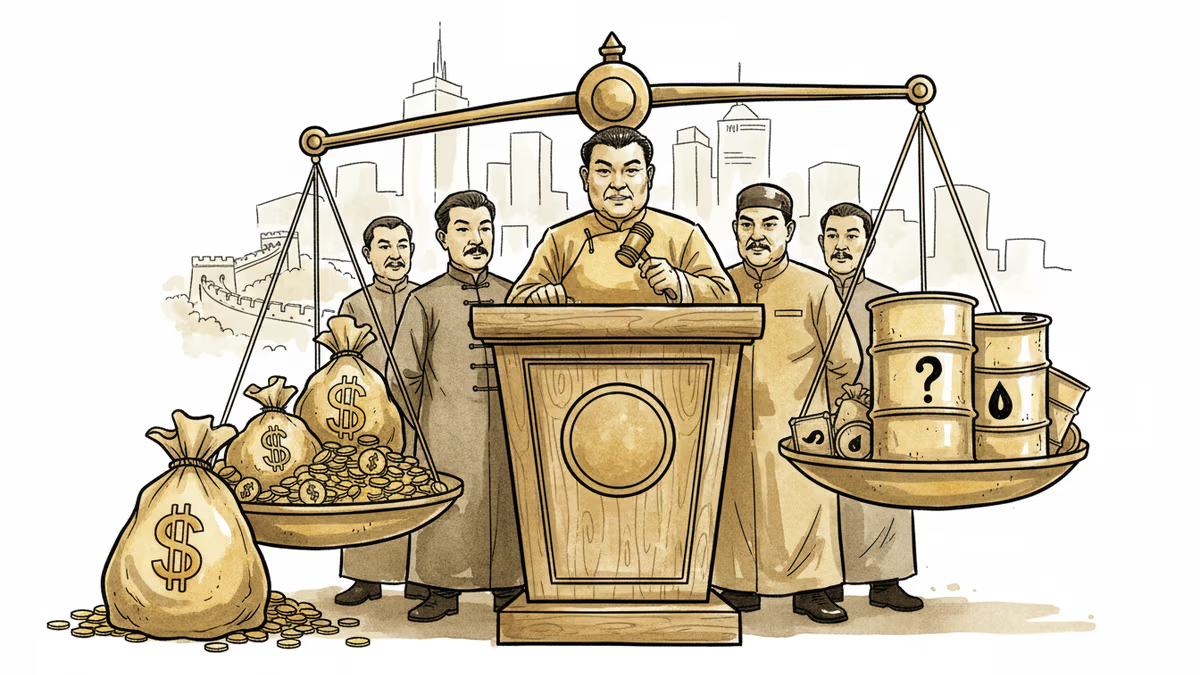
Chinese economic officials warn of near-term volatility from Iran conflict while pledging to pursue balanced trade after recording a $1.2 trillion surplus, raising questions about policy credibility.
Trump's Beijing visit was a masterclass in diplomatic theater. Warm handshakes, viral selfies, and noodle runs. But Taiwan, Iran, and rare earths remain untouched. Here's what the spectacle obscures.
Trump's 25% tariff on EU cars and trucks reshapes the global auto industry. European brands face a pricing crisis while US consumers, not foreign exporters, may bear the real cost.
Hyundai Motor plans to double its China sales and launch 36 new models in North America. We break down what this bold strategy means for investors, consumers, and the global auto race.
Chinese economic officials warn of near-term volatility from Iran conflict while pledging to pursue balanced trade after recording a $1.2 trillion surplus, raising questions about policy credibility.
Thoughts
Share your thoughts on this article
Sign in to join the conversation