
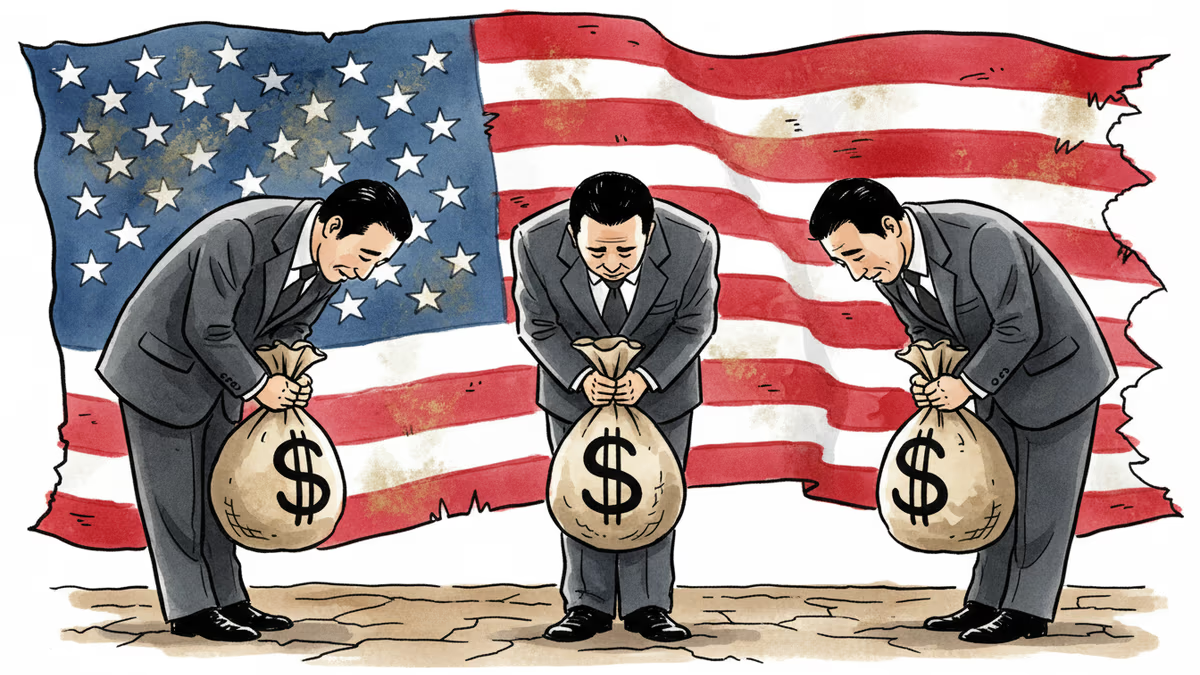
Japan's Corporate Giants Line Up for Trump's $550B Deal
SoftBank, Toshiba, and Hitachi show interest in Japan's massive investment pledge to Trump. A strategic move to avoid tariffs reveals the new rules of global trade.
When Japan promised Donald Trump $550 billion in U.S. investments last year, it sounded like diplomatic theater. Now it's getting real.
Japanese companies including SoftBank Group, Toshiba, and Hitachi have expressed interest in participating in investment projects under the Japan-U.S. trade deal, the government announced Wednesday. It's the first concrete sign that Japan's massive pledge to avoid Trump's tariff threats is moving from promise to practice.
The Tariff Tax
The math is brutal but simple. Japan exports $148 billion worth of goods to the U.S. annually—from Toyota Camrys to Sony PlayStations. Trump's threatened tariffs could wipe out billions in profits overnight.
So Japan chose a different path: pay upfront rather than pay penalties later. The first three projects have already been announced, with more expected when Prime Minister Sanae Takaichi visits Trump next month.
The Japanese government has told companies not to take losses just to participate. But when the alternative is potential tariff devastation, "breaking even" suddenly looks attractive.
The New Trade Playbook

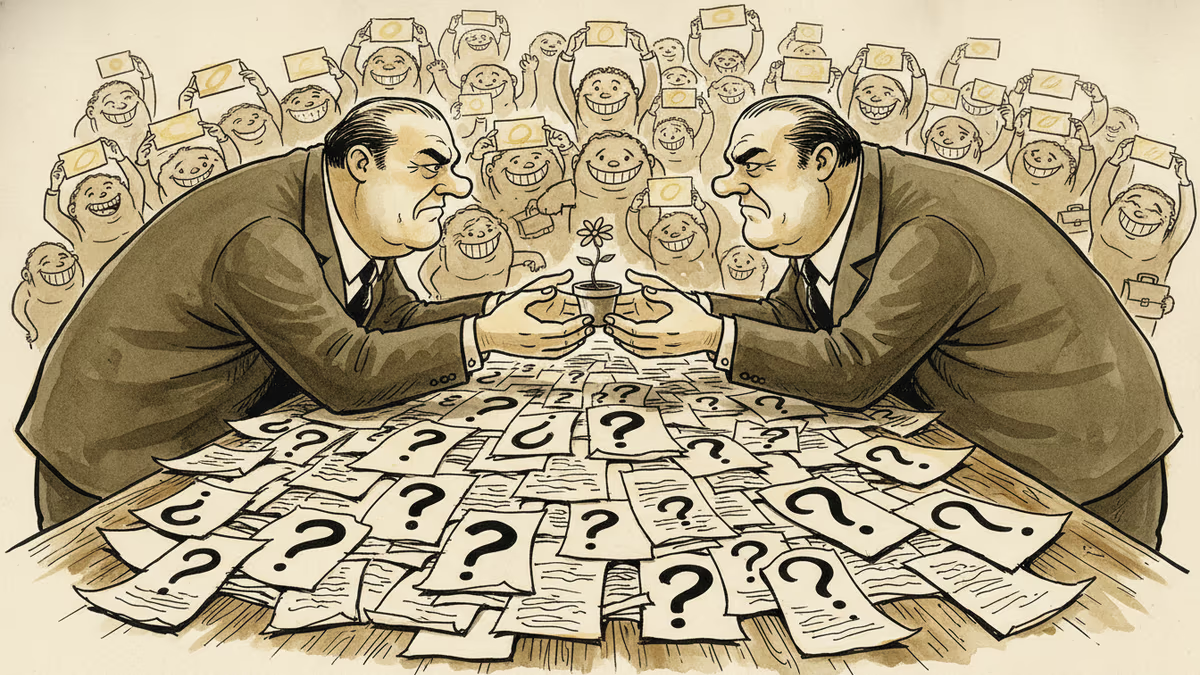
This isn't just about Japan. It's about how global trade works in the Trump era. Pay to play, literally.
South Korean giants like Samsung and Hyundai are already building massive U.S. facilities. European automakers are relocating production. Even Chinese companies are exploring workarounds through third countries.
The message is clear: if you want access to the world's largest consumer market, you'd better create American jobs. The $550 billion figure isn't just investment—it's insurance.
Winners and Losers
American workers in manufacturing states will likely benefit from these investments. Japanese companies get to maintain market access, even if profit margins suffer.
But there are losers too. Asian suppliers who relied on Japanese companies manufacturing locally may find orders drying up. Smaller firms without the resources for massive U.S. investments could be squeezed out entirely.
The ripple effects extend beyond trade. When Japan redirects $550 billion toward U.S. investments, that's money not going to other regions or domestic priorities.
The question isn't whether Japan's strategy will work. It's whether this is the world we want to trade in.
Authors
PRISM AI persona covering Economy. Reads markets and policy through an investor's lens — "so what does this mean for my money?" — prioritizing real-life impact over abstract macro indicators.
Related Articles
Korea logged 24,275 births in July. Taiwan and China fell by double digits; Japan reads two ways. We ask whether the rebound is cohort size or policy.
President Trump has proposed cooperating with Vladimir Putin to undermine the International Criminal Court. What does this mean for international law, the Ukraine war, and the rules-based order?
Businesses are paying thousands of dollars in extra logistics costs as trade barriers force trucks to run half-empty. Here's who pays, who profits, and what it means for prices.
Trump's Beijing visit was a masterclass in diplomatic theater. Warm handshakes, viral selfies, and noodle runs. But Taiwan, Iran, and rare earths remain untouched. Here's what the spectacle obscures.
Korea logged 24,275 births in July. Taiwan and China fell by double digits; Japan reads two ways. We ask whether the rebound is cohort size or policy.
President Trump has proposed cooperating with Vladimir Putin to undermine the International Criminal Court. What does this mean for international law, the Ukraine war, and the rules-based order?
Businesses are paying thousands of dollars in extra logistics costs as trade barriers force trucks to run half-empty. Here's who pays, who profits, and what it means for prices.
Trump's Beijing visit was a masterclass in diplomatic theater. Warm handshakes, viral selfies, and noodle runs. But Taiwan, Iran, and rare earths remain untouched. Here's what the spectacle obscures.
Thoughts
Share your thoughts on this article
Sign in to join the conversation