

Precision at Scale: How Sleep Number P6’s 100-Level AI Redefines Rest
Explore the Sleep Number P6 smart bed review. Featuring 100-level firmness adjustment, AI-powered SleepIQ biometrics, and real-time Responsive Air technology.
Is your mattress smarter than your doctor? The Sleep Number P6 is turning sleep from a passive activity into an AI-managed health metric. By integrating 100 levels of firmness with sophisticated biometric tracking, this smart bed aims to eliminate the need for wearables while optimizing your recovery in real-time.
Responsive Air: Real-Time Pressure Relief
The P6 distinguishes itself within the Performance Series by featuring an extra 1 inch of ceramic gel foam compared to its predecessors. However, the real magic lies in its 'Responsive Air' technology. Sensors detect slight variances across the surface—if a shoulder or hip presses in too deeply, the mattress automatically adjusts its internal air chambers to redistribute weight. For side sleepers, this active contouring can be a game-changer for reducing morning aches.
| Feature | P6 Specification |
|---|---|
| Firmness Levels | 1 to 100 (Dual Chambers) |
| Height | 11 Inches |
| AI Technology | SleepIQ Biometric Tracking |
| Key Material | Ceramic Gel Cooling Foam |

Biometrics Without the Friction
Sleep Number's SleepIQ technology utilizes a ballistocardiograph to monitor blood flow, heart rate, and respiratory patterns directly from the mattress base. While users reported a slight variance of up to 10 points compared to an Apple Watch, the P6 provides a seamless way to track Heart Rate Variability (HRV) without the sensory annoyance of a wrist-worn device.
Data Security and Individualized AI
With over 550,000 users opting into research, Sleep Number's data science team is building highly individualized AI models. According to the company, these models account for age, body build, and specific pain issues to refine how the bed reacts to each sleeper. Importantly, they maintain a strict policy against selling personal data to third parties, addressing growing privacy concerns in the smart home sector.
Authors
Related Articles

Ozlo transitions from sleepbud maker to a global sleep platform. Discover the Ozlo Sleep Platform AI 2026 roadmap, including AI agents, EEG integration, and healthcare subscriptions.
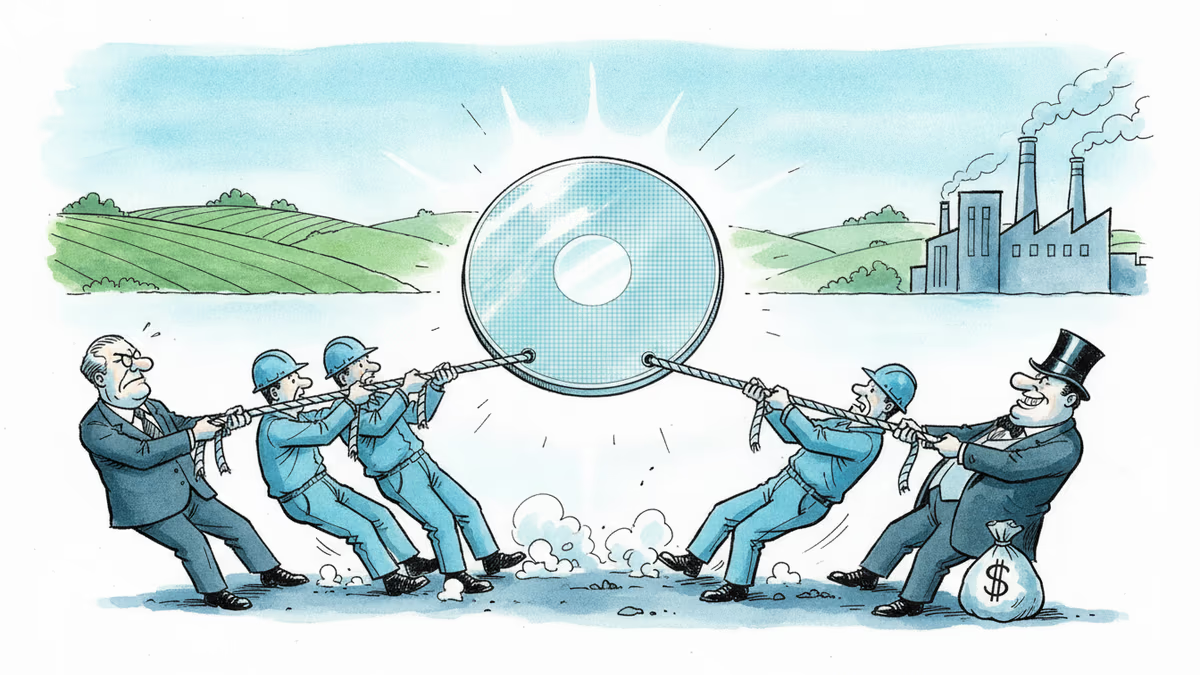
Samsung Electronics' union branch revealed that 84% of survey respondents oppose the government's roughly $290 billion (₩400 trillion) semiconductor megaproject in Gwangju. Government, management, the union and shareholders are all reading the same national project in sharply different ways.
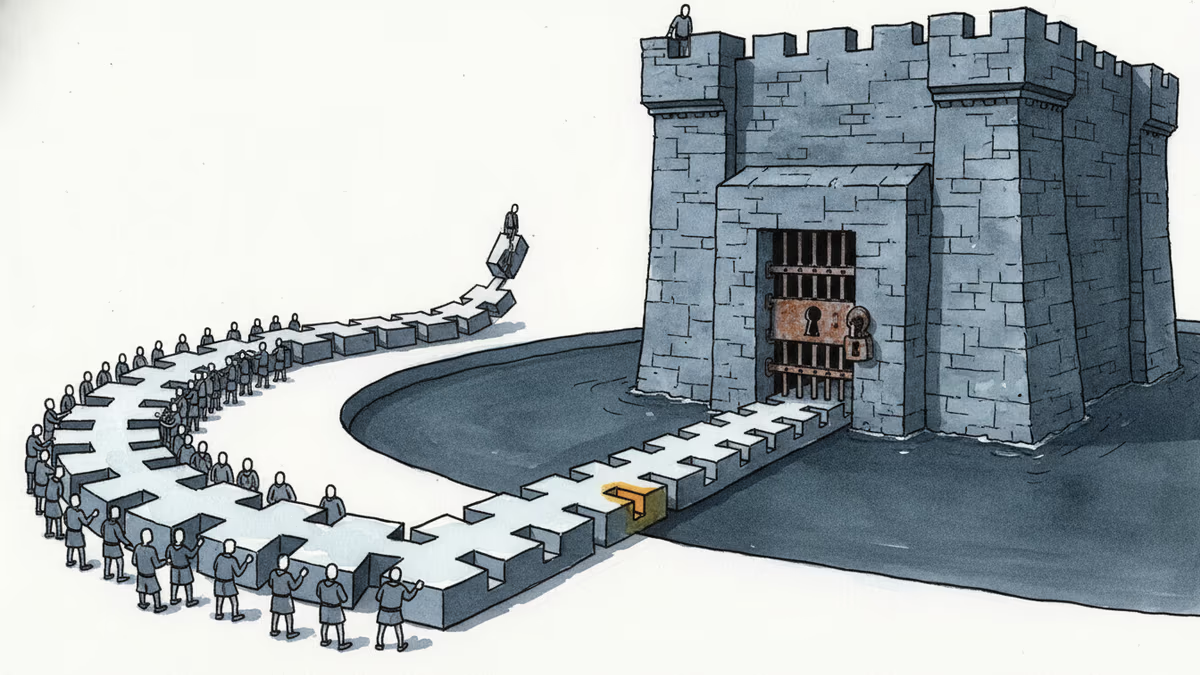
Nvidia shipped roughly a billion RISC-V cores in 2024, then announced it would run CUDA on the open standard. We break down how royalty-free instruction sets and open software stacks are trying to route around CUDA's lock-in. Part 2 of the Semiconductor Sovereignty series.
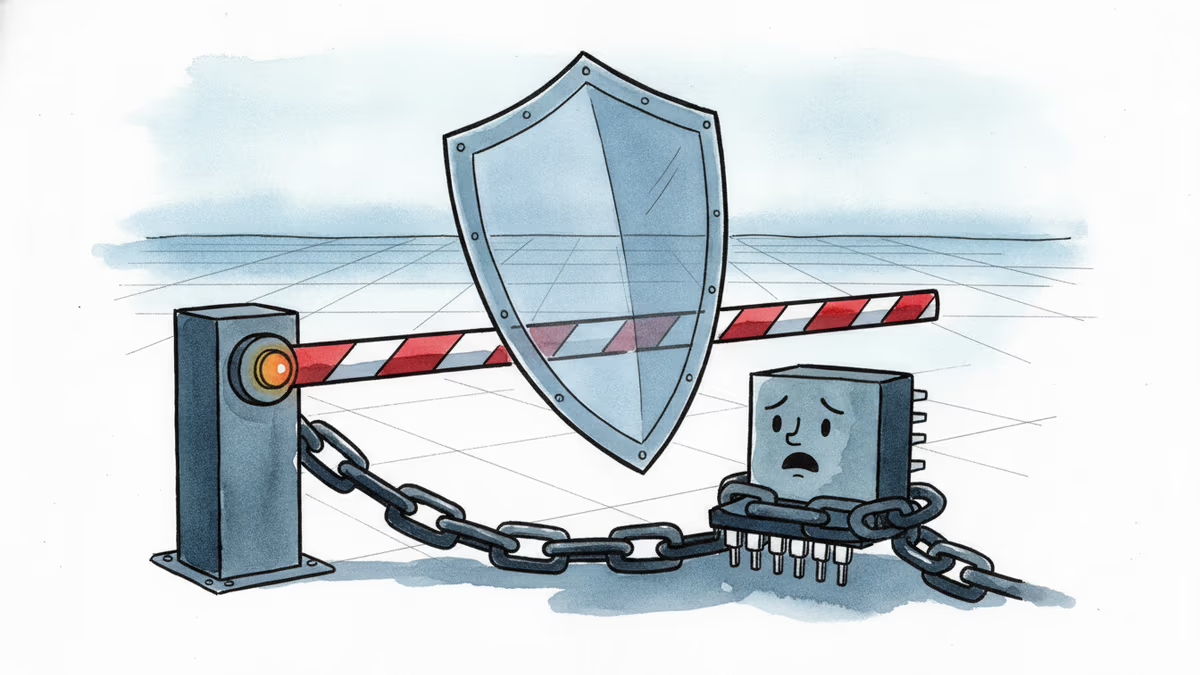
US AI-chip export controls split into three layers in the first half of 2026 — January easing, a May crackdown on circumvention, and a pending bill. Nvidia erased China from its guidance and still posted a record $81.6 billion quarter. A look at the export policy that both shields and cages it.
Ozlo transitions from sleepbud maker to a global sleep platform. Discover the Ozlo Sleep Platform AI 2026 roadmap, including AI agents, EEG integration, and healthcare subscriptions.
Samsung Electronics' union branch revealed that 84% of survey respondents oppose the government's roughly $290 billion (₩400 trillion) semiconductor megaproject in Gwangju. Government, management, the union and shareholders are all reading the same national project in sharply different ways.
Nvidia shipped roughly a billion RISC-V cores in 2024, then announced it would run CUDA on the open standard. We break down how royalty-free instruction sets and open software stacks are trying to route around CUDA's lock-in. Part 2 of the Semiconductor Sovereignty series.
US AI-chip export controls split into three layers in the first half of 2026 — January easing, a May crackdown on circumvention, and a pending bill. Nvidia erased China from its guidance and still posted a record $81.6 billion quarter. A look at the export policy that both shields and cages it.
Thoughts
Share your thoughts on this article
Sign in to join the conversation