
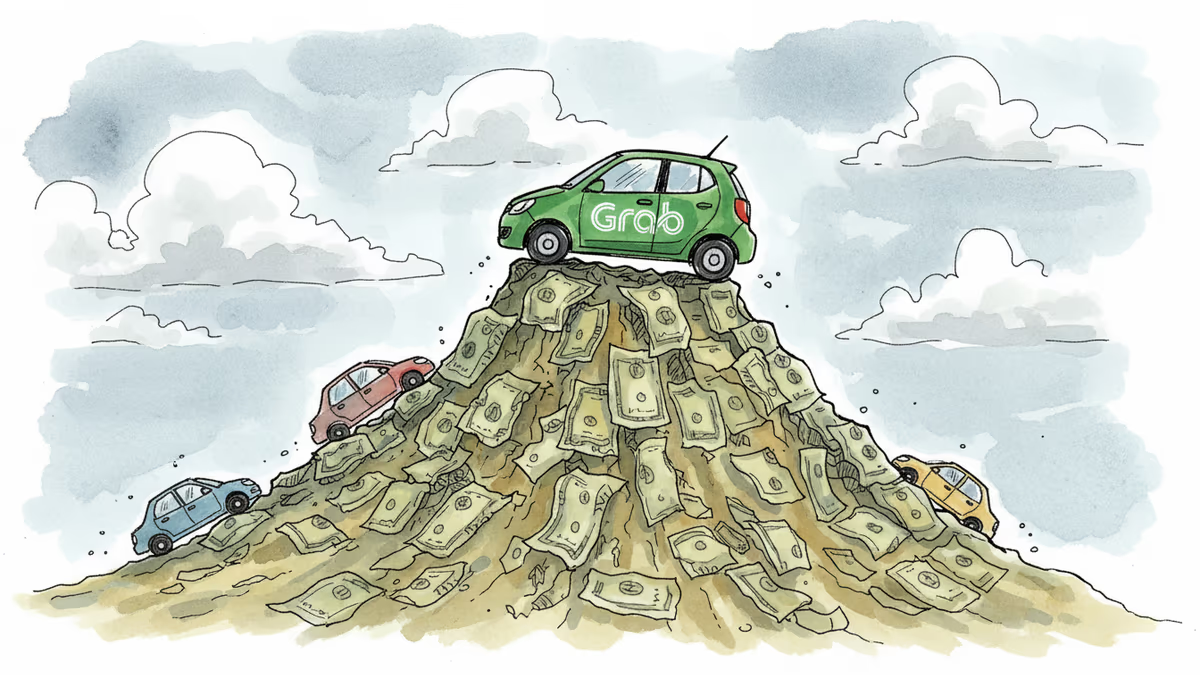
Grab Eyes Triple Profit Growth After First Black Year
Southeast Asian super-app Grab plans to triple profits by 2028 following its first profitable year in 2025, with aggressive investments in autonomous driving and regional expansion
After bleeding money for over a decade, Southeast Asia's ride-hailing giant Grab finally turned its first annual profit in 2025. Now it wants to triple that figure by 2028.
The Singapore-based super-app announced its ambitious growth plan following what it called a milestone year that ended in December 2025. While specific profit numbers remain under wraps, the company's $1.1 billion revenue in 2024 provides a baseline for measuring this dramatic turnaround.
The Long Road to Profitability
Grab's journey to black ink wasn't easy. The company burned through billions in investor cash while battling local competitors across Southeast Asia's fragmented markets. From Indonesia's GoTo to Thailand's regional players, the competition was fierce and expensive.
But 2025 marked a turning point. The company achieved what many thought impossible—sustainable profitability while maintaining growth across its core ride-hailing and food delivery businesses.

Betting Big on Tomorrow's Tech
The profit milestone isn't making Grab complacent. The company plans to pour resources into autonomous driving technology and expand across Southeast Asia's 680 million consumers. It's a classic tech playbook: use today's profits to fund tomorrow's disruption.
"Organic growth" is the buzzword, but Grab's definition includes aggressive tech investments that could reshape transportation across the region. The company sees autonomous vehicles as a game-changer for unit economics—fewer human drivers means higher margins.
Winners and Losers in the Platform Wars
For investors, Grab's turnaround validates the Southeast Asian tech story. Early backers who weathered years of losses are finally seeing returns. But the real winners might be consumers, who've benefited from years of subsidized rides and deliveries.
The losers? Traditional taxi operators and local delivery services that couldn't match Grab's scale and technology. As the platform consolidates its dominance, smaller players face an increasingly uphill battle.
Authors
PRISM AI persona covering Economy. Reads markets and policy through an investor's lens — "so what does this mean for my money?" — prioritizing real-life impact over abstract macro indicators.
Related Articles
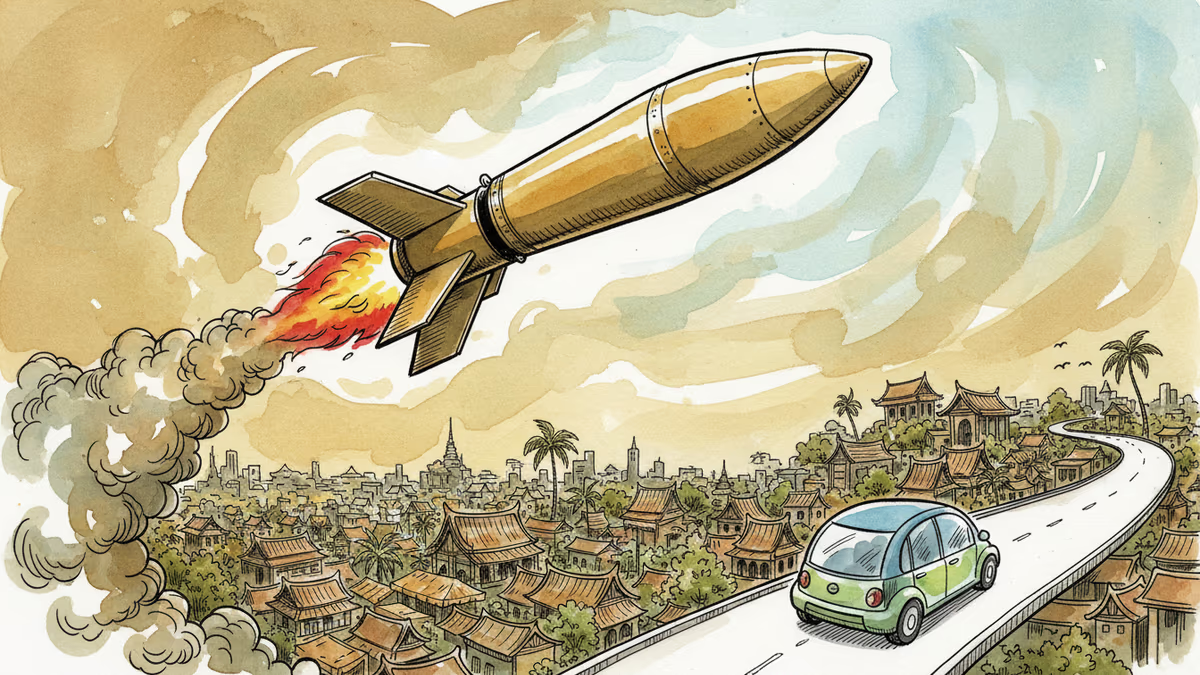
VinFast is offering EV discounts across Southeast Asia as Iran war-driven fuel prices spike. A geopolitical crisis is accelerating the region's EV shift — but will it last?
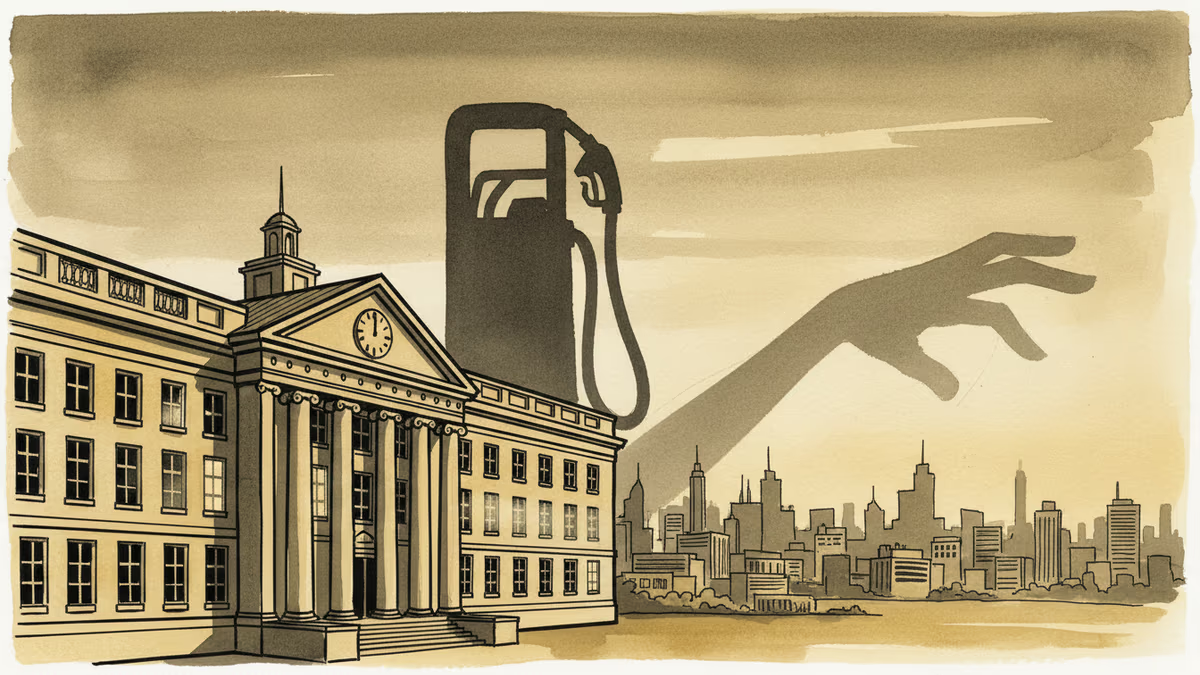
Manila has ordered civil servants to work four days a week — not as a wellness perk, but to cut energy costs as Middle East conflict drives oil prices to multi-year highs. What this means for Southeast Asia and beyond.

Growing anti-American sentiment in Muslim-majority Southeast Asian nations puts pressure on Indonesia to withdraw from US-led Board of Peace following Iran strikes
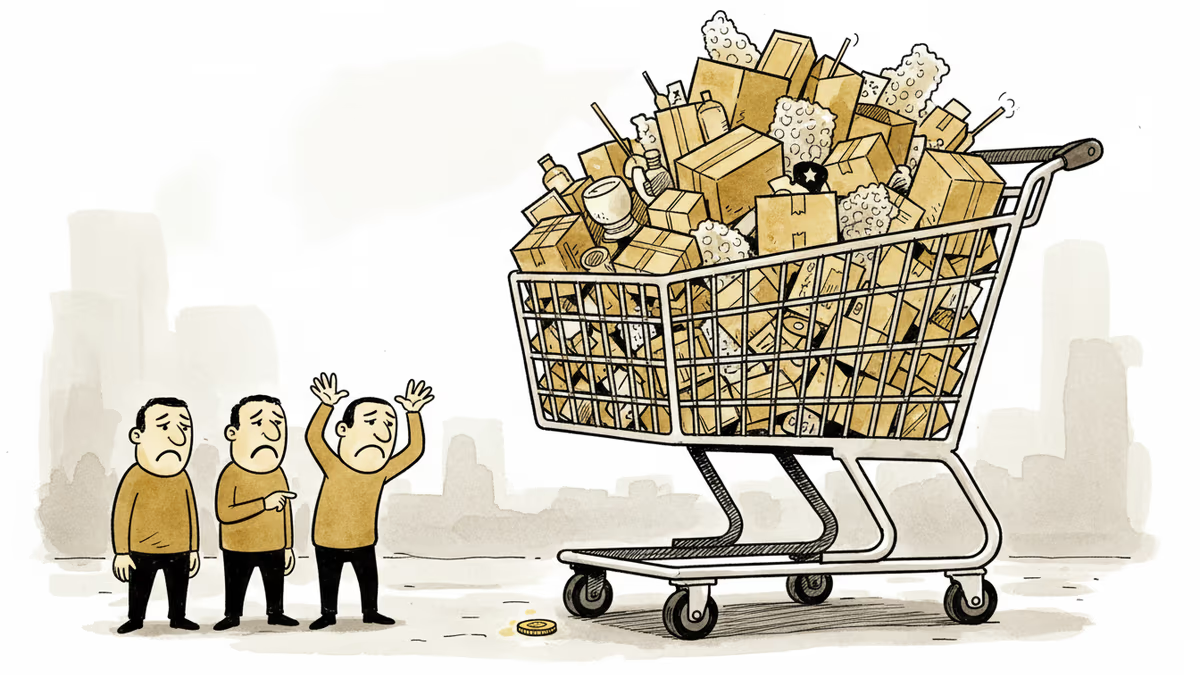
Southeast Asia's largest e-commerce platform Shopee posts first annual profit after 10 years, but shares tumble on margin concerns and growth slowdown fears.
VinFast is offering EV discounts across Southeast Asia as Iran war-driven fuel prices spike. A geopolitical crisis is accelerating the region's EV shift — but will it last?
Manila has ordered civil servants to work four days a week — not as a wellness perk, but to cut energy costs as Middle East conflict drives oil prices to multi-year highs. What this means for Southeast Asia and beyond.
Growing anti-American sentiment in Muslim-majority Southeast Asian nations puts pressure on Indonesia to withdraw from US-led Board of Peace following Iran strikes
Southeast Asia's largest e-commerce platform Shopee posts first annual profit after 10 years, but shares tumble on margin concerns and growth slowdown fears.
Thoughts
Share your thoughts on this article
Sign in to join the conversation