
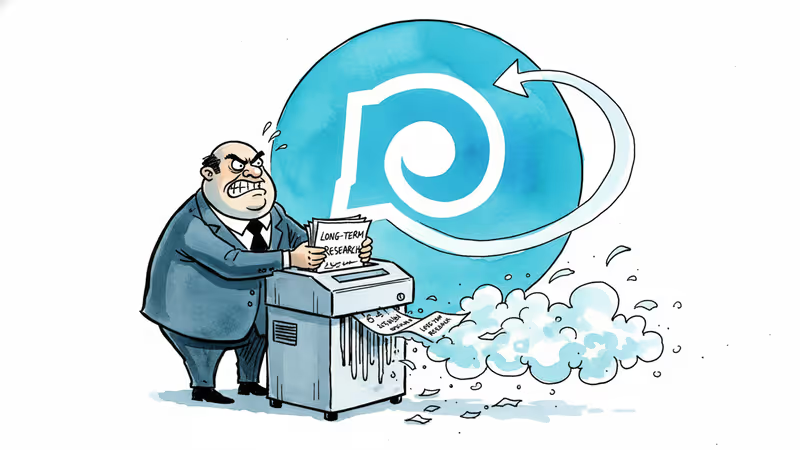
OpenAI Abandons Long-Term Research for ChatGPT Supremacy
OpenAI shifts resources from experimental research to ChatGPT improvements as senior researchers leave. What does this strategic pivot mean for AI innovation under competitive pressure?
A $500 billion company just decided to sacrifice tomorrow for today. OpenAI is dismantling its long-term research efforts to double down on ChatGPT, and the exodus of senior talent tells a story about the brutal realities of AI competition.
According to 10 current and former employees, OpenAI has reallocated resources away from experimental work toward advancing the large language models powering its flagship chatbot. The strategic shift has prompted departures of key figures including research VP Jerry Tworek, model policy researcher Andrea Vallone, and economist Tom Cunningham.
The Survival Instinct Kicks In
This isn't just corporate restructuring—it's a company under siege. Google'sGemini and Anthropic'sClaude are breathing down ChatGPT's neck, forcing OpenAI to prioritize immediate competitive advantages over blue-sky research that might pay off years down the line.
The pressure is understandable. When Google can leverage its massive infrastructure and Anthropic attracts top talent with its safety-first approach, OpenAI needs every edge it can get. But this shift reveals a fundamental tension in AI development: the choice between incremental improvements that keep you competitive today versus breakthrough research that could define the next decade.
For investors and tech executives, this presents a crucial question about resource allocation. How do you balance the need to compete in today's market while building tomorrow's innovations?
When Brain Drain Becomes Strategic Drain
The departure of senior researchers isn't just about losing talent—it's about losing institutional knowledge and research direction. In AI, where breakthrough discoveries often come from unexpected combinations of ideas, losing diverse research perspectives could prove costly.

Jerry Tworek's exit is particularly significant. Research VPs don't just manage teams; they shape the intellectual DNA of organizations. When such figures leave, they take with them not just their expertise but their networks, their research philosophies, and their ability to spot promising directions others might miss.
These departures also raise questions about where this talent lands next. Will they join competitors, potentially accelerating rival AI development? Or will they start new ventures, creating fresh competition for OpenAI?
The New Innovation Paradigm
OpenAI's pivot reflects a broader shift in how AI innovation happens. We're moving from an era where universities and research labs drove fundamental breakthroughs to one where market pressures increasingly dictate research priorities.
This market-driven approach has advantages—it ensures research stays connected to real-world applications and user needs. But it also creates blind spots. Questions about AI safety, long-term societal impacts, or breakthrough capabilities that don't immediately translate to revenue might get deprioritized.
The implications extend beyond OpenAI. If the leading AI companies all adopt similar short-term focus, who will tackle the fundamental research questions that don't have obvious commercial applications?
The Competitive Landscape Reshapes
This strategic shift might actually accelerate competition in unexpected ways. By focusing intensely on ChatGPT improvements, OpenAI could create a short-term moat but potentially leave openings for competitors pursuing different approaches.
Anthropic's focus on AI safety research, for instance, might seem less immediately profitable but could position them better for regulatory environments or enterprise customers concerned about AI risks. Google's broader AI ecosystem approach might allow them to innovate across multiple fronts while OpenAI concentrates on one product.
Authors
Related Articles

OpenAI has reorganized for the second time in a month, merging ChatGPT and Codex into a single agentic platform under president Greg Brockman's unified product leadership.

After two weeks of witnesses calling him a liar, OpenAI CEO Sam Altman testified in his own defense, claiming Elon Musk tried to kill the company twice.
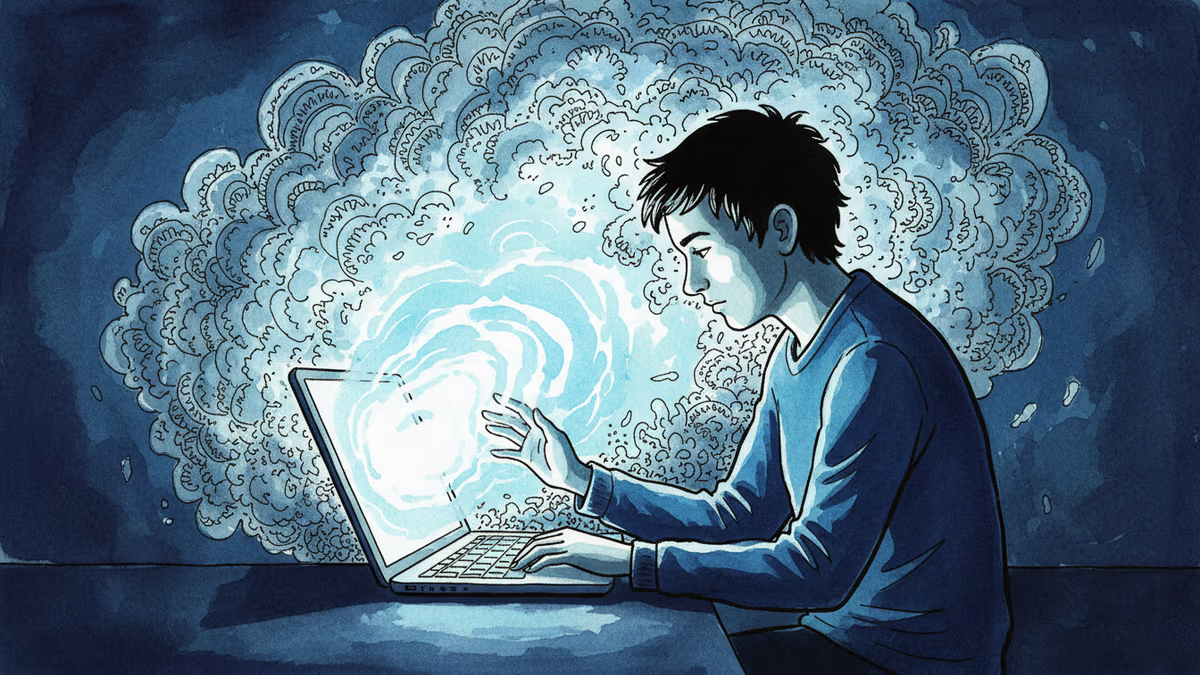
Sam Nelson, 19, died after following ChatGPT's advice to mix Kratom and Xanax. His parents are suing OpenAI for wrongful death, raising urgent questions about AI trust, liability, and design.
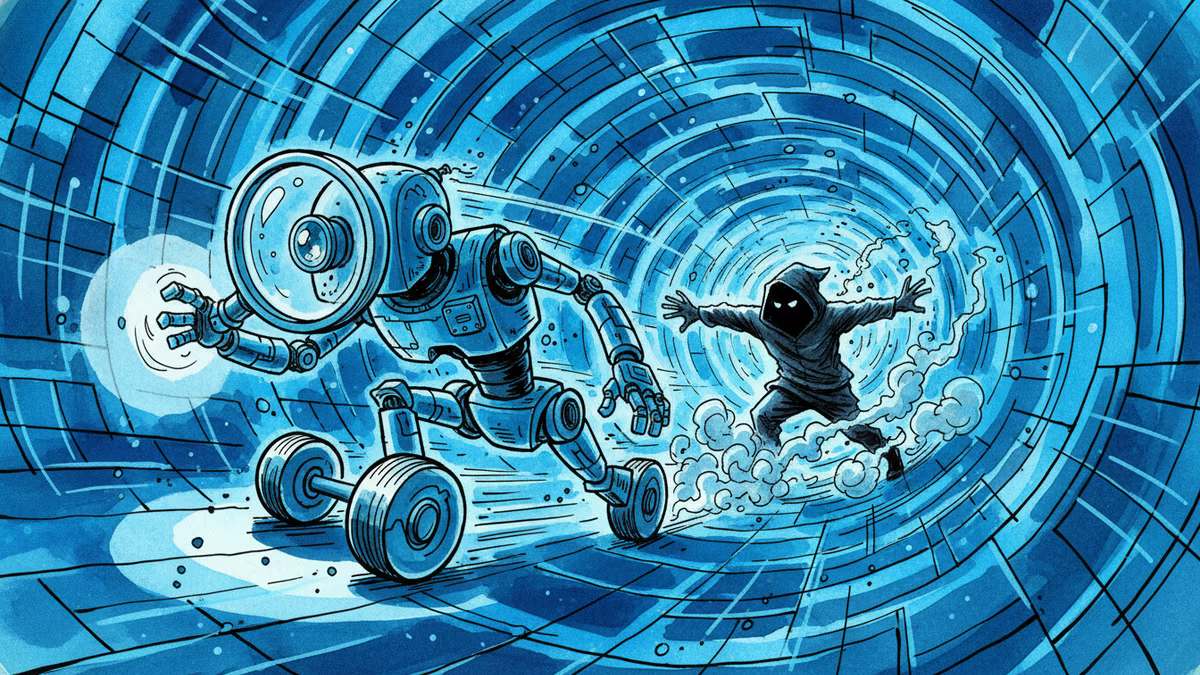
OpenAI's new Daybreak initiative uses the Codex AI agent to find and patch security vulnerabilities before attackers do—putting it in direct competition with Anthropic's secretive Claude Mythos.
OpenAI has reorganized for the second time in a month, merging ChatGPT and Codex into a single agentic platform under president Greg Brockman's unified product leadership.
After two weeks of witnesses calling him a liar, OpenAI CEO Sam Altman testified in his own defense, claiming Elon Musk tried to kill the company twice.
Sam Nelson, 19, died after following ChatGPT's advice to mix Kratom and Xanax. His parents are suing OpenAI for wrongful death, raising urgent questions about AI trust, liability, and design.
OpenAI's new Daybreak initiative uses the Codex AI agent to find and patch security vulnerabilities before attackers do—putting it in direct competition with Anthropic's secretive Claude Mythos.
Thoughts
Share your thoughts on this article
Sign in to join the conversation