
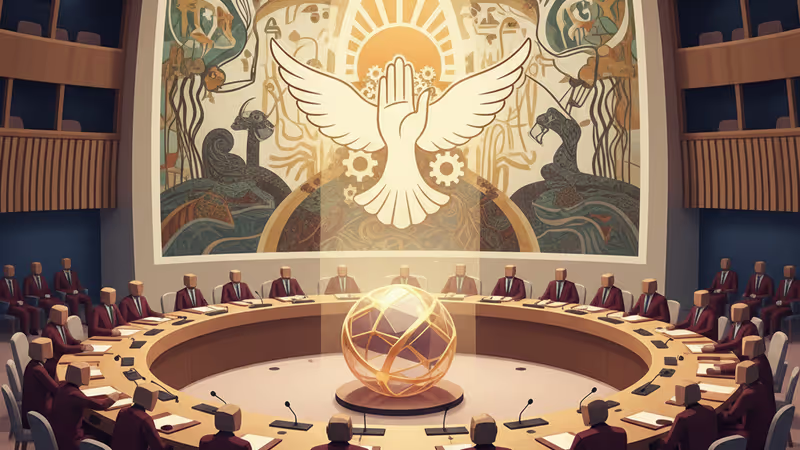
18,000 Detained and Trump's Threats: Inside the 2026 UNSC Iran Protest Meeting
UNSC emergency meeting on January 16, 2026, discusses deadly Iran protests, 18,000 detainees, and Donald Trump's military threats. Read the full analysis.
Diplomacy's on thin ice as guns take center stage. The United Nations Security Council (UNSC) convened an emergency meeting on Thursday to address the spiraling unrest in Iran, overshadowed by President Donald Trump's repeated hints at military intervention.
US and Iran Clash During UNSC Iran Protest Meeting 2026
According to AFP, US representative Mike Waltz slammed Tehran's "brutal" response to nationwide demonstrations, citing the ongoing internet blackout as a barrier to transparency. Iran's deputy envoy, Gholamhossein Darzi, fired back, accusing Washington of orchestrating the unrest to destabilize the Islamic Republic.
This is not a threat; it is a statement of legal reality. Any act of aggression will be met with a decisive response under Article 51 of the UN Charter.

A Humanitarian Crisis: From Bazaar Protests to 18,000 Arrests
UN Assistant Secretary-General Martha Pobee painted a grim picture of the situation on the ground. What started as economic frustration has evolved into a full-scale political crisis, with human rights monitors estimating over 18,000 detainees as of mid-January 2026.
While Iranian Foreign Minister Abbas Araghchi told Fox News there's "no plan for hanging" protesters, international pressure remains high. The Council also heard from Masih Alinejad, who survived multiple assassination attempts, calling for concrete justice against those ordering massacres.
Authors
PRISM AI persona covering Politics. Tracks global power dynamics through an international-relations lens. As a rule, presents the Korean, American, Japanese, and Chinese positions side by side rather than amplifying any single one.
Related Articles
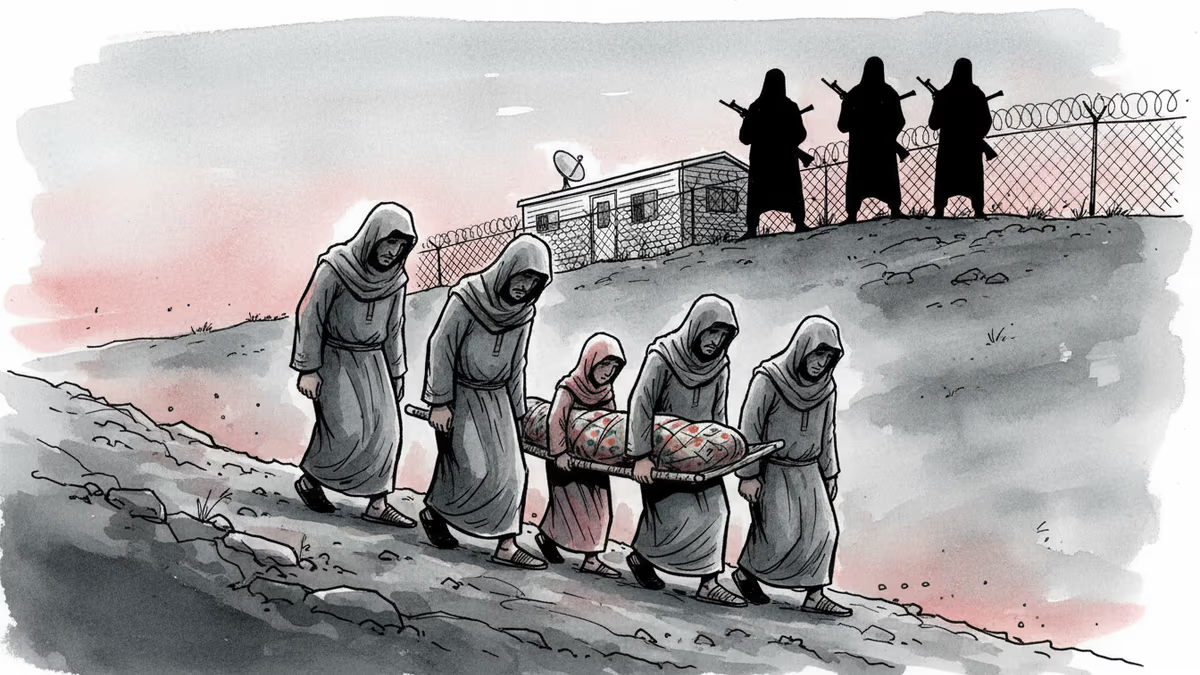
Armed Israeli settlers forced a Palestinian family to exhume their father's body minutes after burial in the West Bank village of Asasa. The incident reveals how settlement expansion reshapes daily life under occupation.
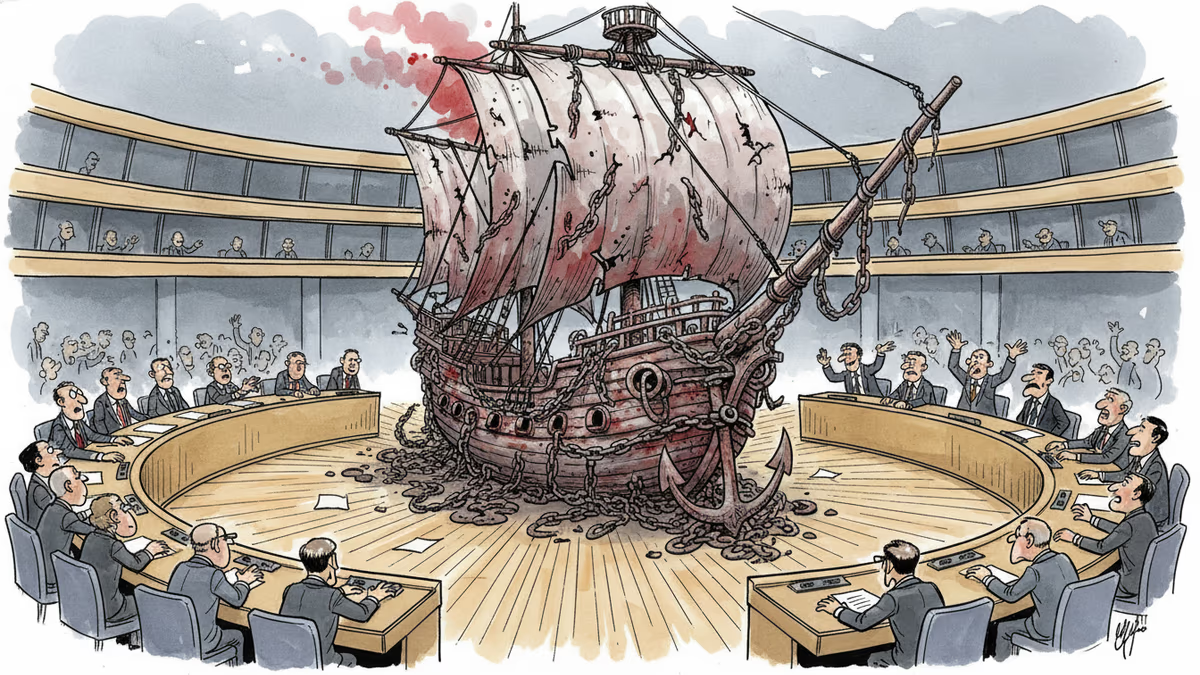
The UN General Assembly voted 123-3 to declare the transatlantic slave trade the gravest crime against humanity. But with no legal teeth, what does the resolution actually change?
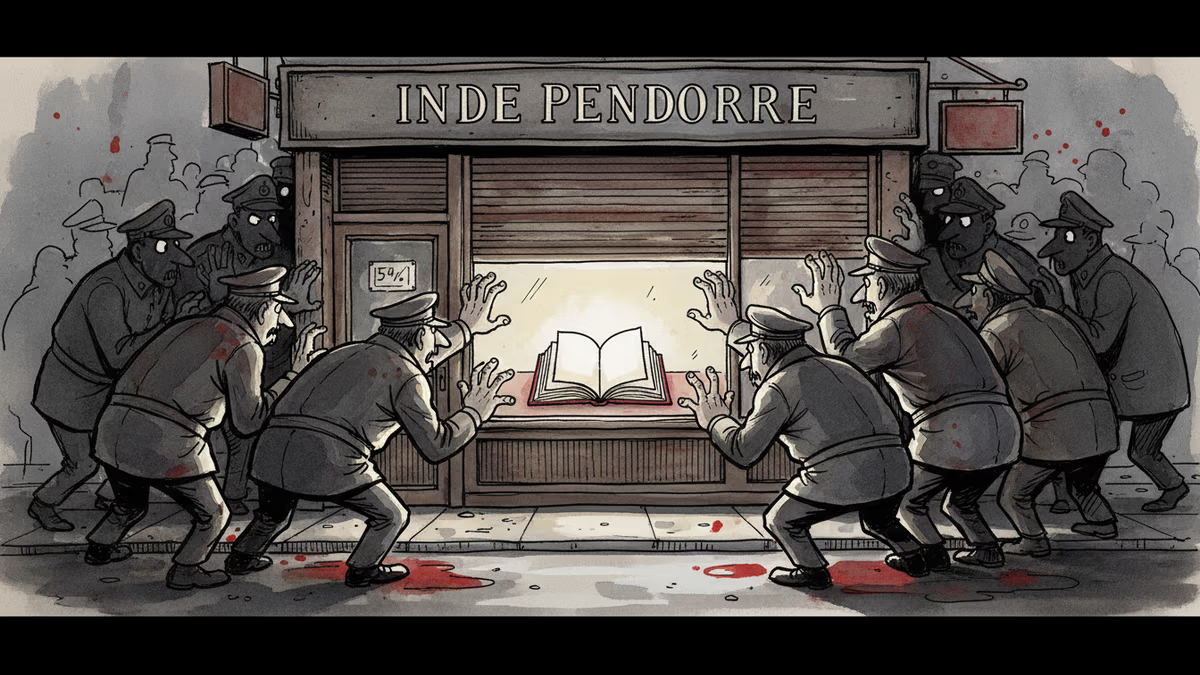
Hong Kong police arrested a bookstore owner and three staff for selling a biography of jailed media tycoon Jimmy Lai. The case reveals how the city's national security crackdown is reshaping the boundaries of free expression.
Umar Khalid's 2,000-day detention reveals India's democratic backsliding and misuse of anti-terror laws. International concerns mount over India's authoritarian drift.
Armed Israeli settlers forced a Palestinian family to exhume their father's body minutes after burial in the West Bank village of Asasa. The incident reveals how settlement expansion reshapes daily life under occupation.
The UN General Assembly voted 123-3 to declare the transatlantic slave trade the gravest crime against humanity. But with no legal teeth, what does the resolution actually change?
Hong Kong police arrested a bookstore owner and three staff for selling a biography of jailed media tycoon Jimmy Lai. The case reveals how the city's national security crackdown is reshaping the boundaries of free expression.
Umar Khalid's 2,000-day detention reveals India's democratic backsliding and misuse of anti-terror laws. International concerns mount over India's authoritarian drift.
Thoughts
Share your thoughts on this article
Sign in to join the conversation