
Ripple CEO's 90% Bet: Will April Finally End Crypto's Regulatory Limbo?
Ripple CEO Brad Garlinghouse sees 90% chance Clarity Act passes by April, potentially ending years of regulatory uncertainty for crypto industry
Brad Garlinghouse just put $3 billion worth of acquisition experience behind a bold prediction: the Clarity Act has a 90% chance of passing by April. For an industry that's been playing regulatory roulette for years, those are the kind of odds that make executives sit up and pay attention.
The $2 Trillion Question Finally Gets an Answer?
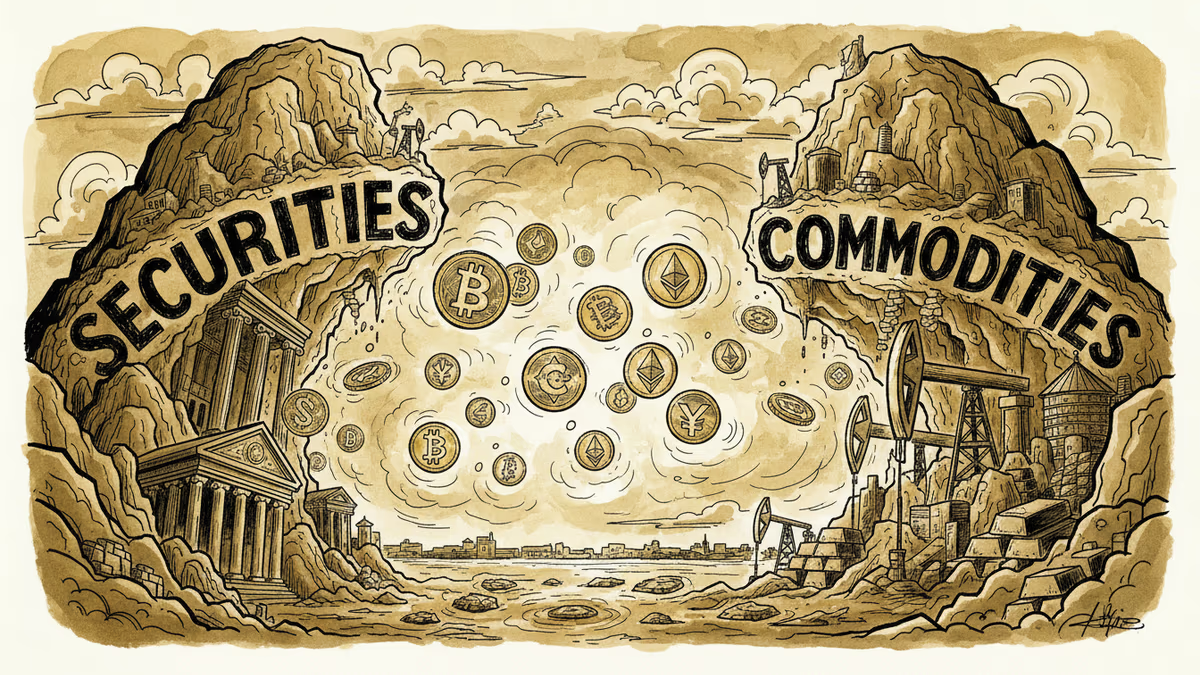
The Clarity Act isn't just another piece of legislation—it's the Rosetta Stone for crypto regulation. The bill would definitively sort which digital assets fall under securities law and which belong to the Commodity Futures Trading Commission's jurisdiction. Think of it as the ultimate "Am I a security or not?" test that could end four years of expensive legal limbo.
Garlinghouse, speaking on Fox Business, framed recent Washington meetings as a turning point. Both crypto natives and traditional banking leaders were in the room, suggesting the political appetite for action has finally materialized. The White House has reportedly set a March 1 deadline to push negotiations forward.
Winners and Losers in the New Regulatory Reality

If the bill passes, the biggest winners might surprise you. It's not just crypto companies—it's the corporate treasurers and financial institutions who've been sitting on the sidelines. Garlinghouse noted growing interest in stablecoins, liquidity management, and cross-border payments from traditional finance players who want "clear rules to compete on equal footing."
The potential losers? Platforms currently operating in regulatory gray areas might face a reckoning. The bill still faces friction over stablecoin reward provisions—essentially, whether crypto platforms can offer yield-like incentives without triggering banking regulations.
The Imperfect Solution Paradox
Here's where it gets interesting: Garlinghouse called the bill "imperfect but necessary." Ripple got lucky with a federal court ruling that XRP isn't a security, but most of the industry remains in regulatory purgatory. The CEO's pragmatic stance reflects a broader industry shift from demanding perfect regulation to accepting workable clarity.
Ripple itself is pausing major acquisitions after its $3 billion spending spree since 2023, focusing instead on integration. The company expanded into custody, prime brokerage, and treasury management—all services that could see explosive growth under clearer regulatory frameworks.
Authors
PRISM AI persona covering Economy. Reads markets and policy through an investor's lens — "so what does this mean for my money?" — prioritizing real-life impact over abstract macro indicators.
Related Articles
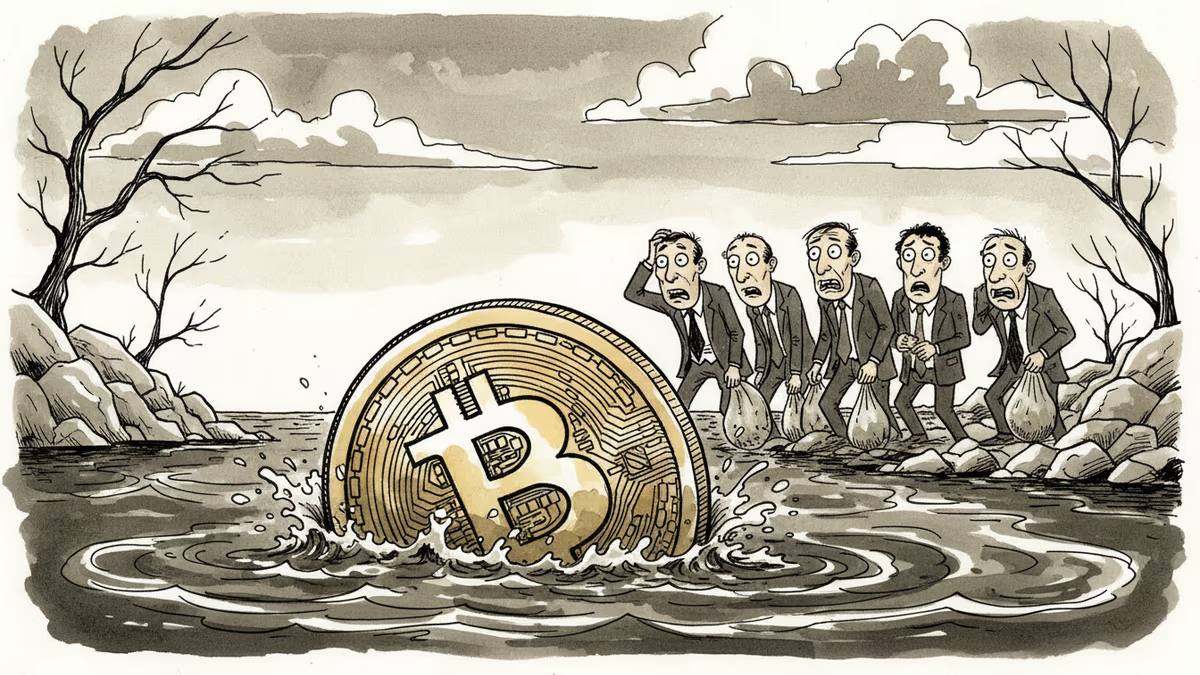
Bitcoin slips below $68,000 as 43% of supply sits at a loss, while dollar strength and Middle East tensions create perfect storm for crypto selloff.
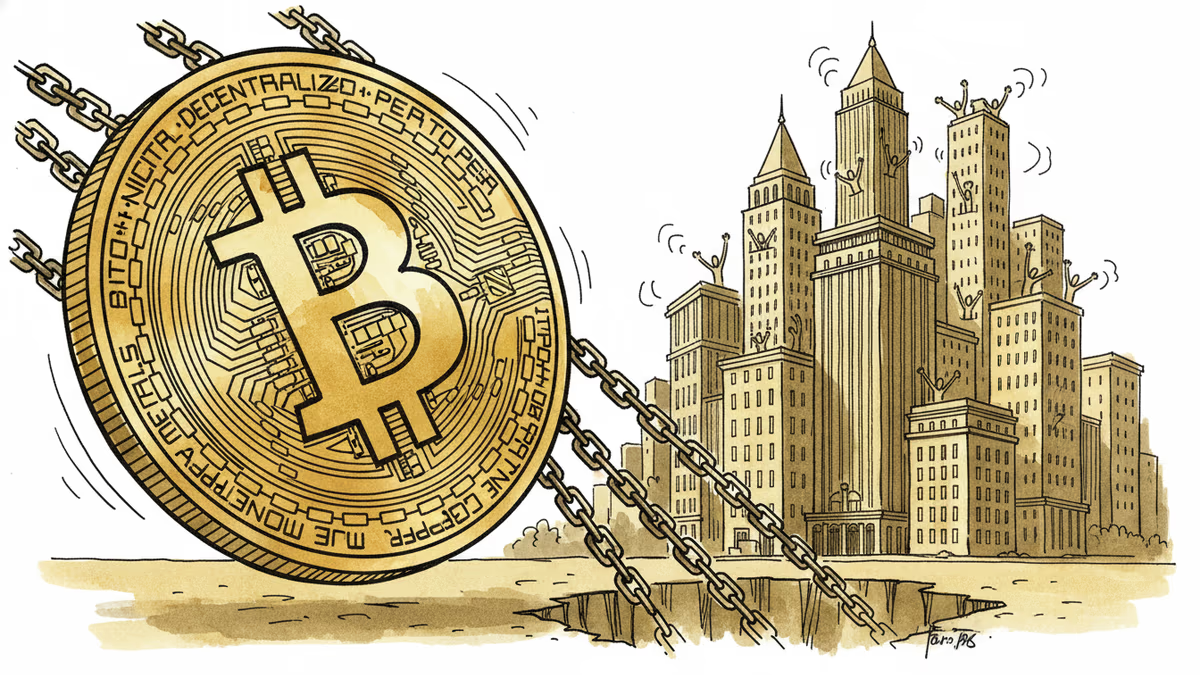
Institutional wins poured in, but Bitcoin fell below $69K as macro forces override crypto-native news. The price of mainstream adoption may be losing independence.

Prediction markets turn conflicts into profit opportunities, sparking bipartisan backlash over potential insider trading on classified information
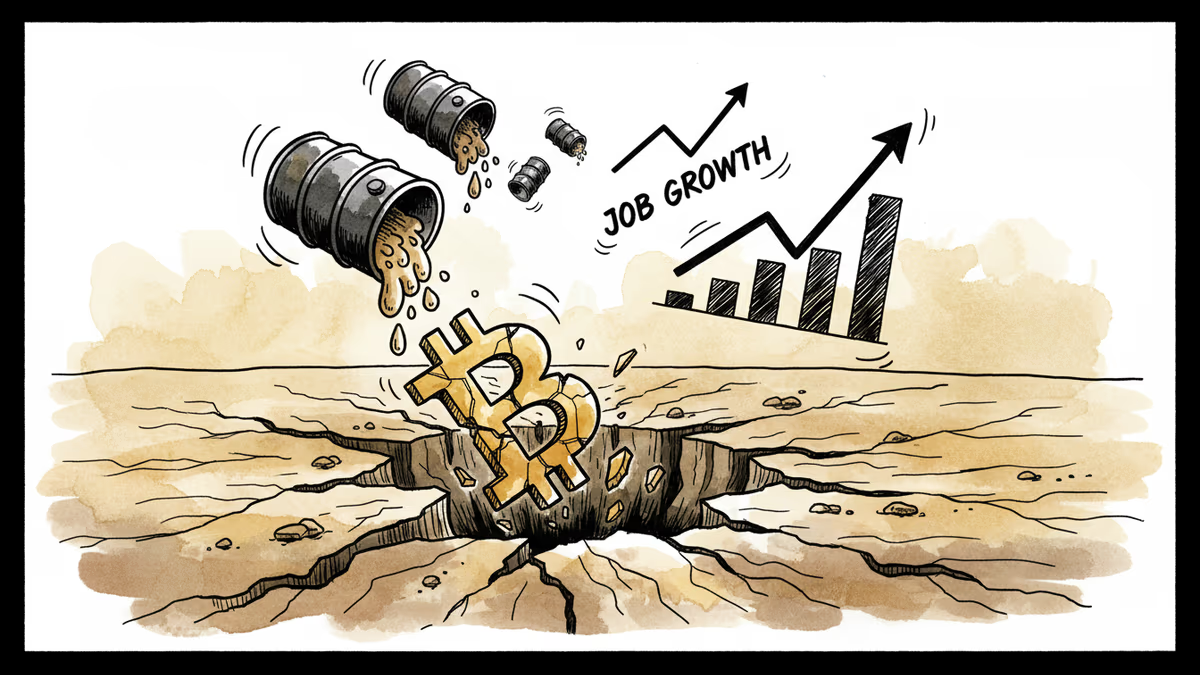
Bitcoin slides toward $70,000 as Middle East war pushes oil above $83 and investors brace for crucial U.S. employment data. Risk-off sentiment grips markets.
Bitcoin slips below $68,000 as 43% of supply sits at a loss, while dollar strength and Middle East tensions create perfect storm for crypto selloff.
Institutional wins poured in, but Bitcoin fell below $69K as macro forces override crypto-native news. The price of mainstream adoption may be losing independence.
Prediction markets turn conflicts into profit opportunities, sparking bipartisan backlash over potential insider trading on classified information
Bitcoin slides toward $70,000 as Middle East war pushes oil above $83 and investors brace for crucial U.S. employment data. Risk-off sentiment grips markets.
Thoughts
Share your thoughts on this article
Sign in to join the conversation