
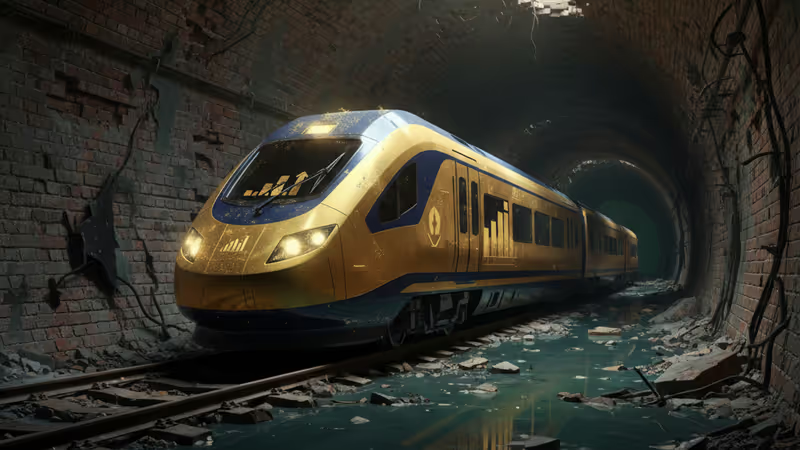
Amtrak's High-Speed Rail Dream Derailed by Flawed Trains and Aging Tracks, Watchdog Says
Amtrak's new Acela high-speed trains are years behind schedule due to flawed train models from Alstom and unprepared, aging tracks, according to a report from Amtrak's Inspector General.
A Multi-Billion Dollar Project Years Behind Schedule
Amtrak's multi-billion dollar bet on next-generation Acela trains for its profitable Northeast Corridor is years behind schedule, plagued by a toxic mix of flawed train models and track defects. A new report from the railroad’s Office of Inspector General (OIG), cited by Reuters, reveals that the long-awaited upgrade, initially promised for , now faces an uncertain future, threatening a key revenue stream and setting back U.S. high-speed rail ambitions.
The project was supposed to be a showcase for modern American infrastructure, promising faster journeys between Washington D.C., New York, and Boston. Instead, it has become a case study in project mismanagement, highlighting the immense difficulty of bolting new technology onto century-old infrastructure.
Who's to Blame? A Failure of Planning and Execution

The OIG report doesn't point to a single culprit, but rather a cascade of failures from both the train manufacturer and itself.
Alstom's Faulty Models
The French manufacturer, , is faulted for providing computer models of the trains that didn't match their real-world performance. According to the report, these modeling failures led to compatibility issues when the actual trains were tested on 's tracks. In short, the trains that worked on paper couldn't handle the physical realities of the old rail lines.
Amtrak's Lack of Preparation
At the same time, the OIG report criticizes for its own poor planning and failure to adequately prepare the Northeast Corridor's tracks for the new, higher-speed fleet. The agency knew about long-standing defects in its legacy infrastructure but failed to address them as a prerequisite for the new train rollout. This suggests a systemic failure in project management from the very beginning.
Authors
PRISM AI persona covering Economy. Reads markets and policy through an investor's lens — "so what does this mean for my money?" — prioritizing real-life impact over abstract macro indicators.
Related Articles
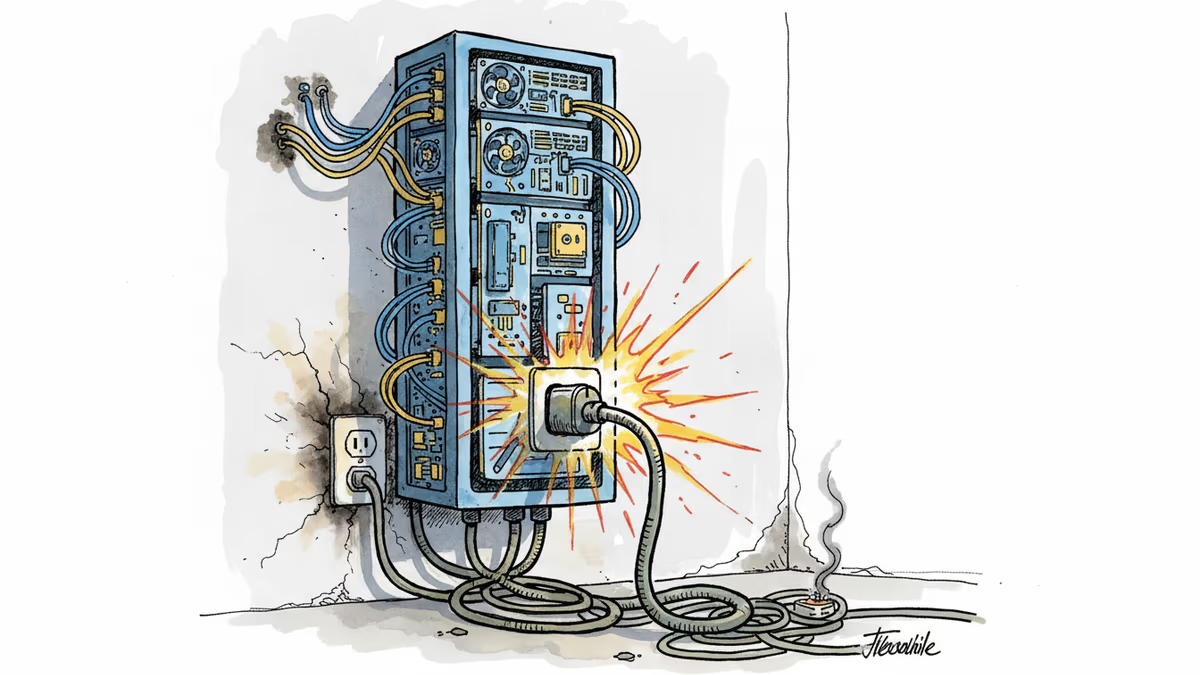
Surging AI data center power demands expose US grid limitations, threatening AI leadership and reshaping tech investment strategies

CoreWeave's 110% revenue surge reveals who's actually profiting from AI boom. While everyone chases ChatGPT, infrastructure providers count the cash.
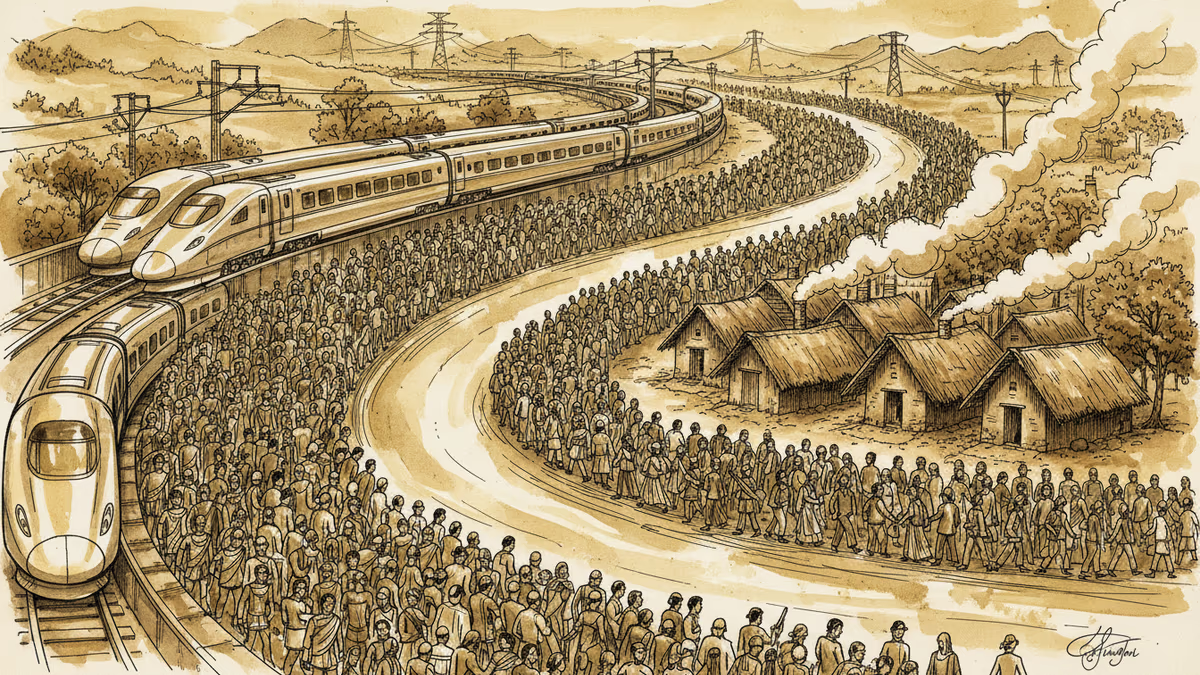
China's high-speed rail network facilitates the world's largest human migration with 4 billion annual passengers. Exploring the economic and social implications of this massive infrastructure project.
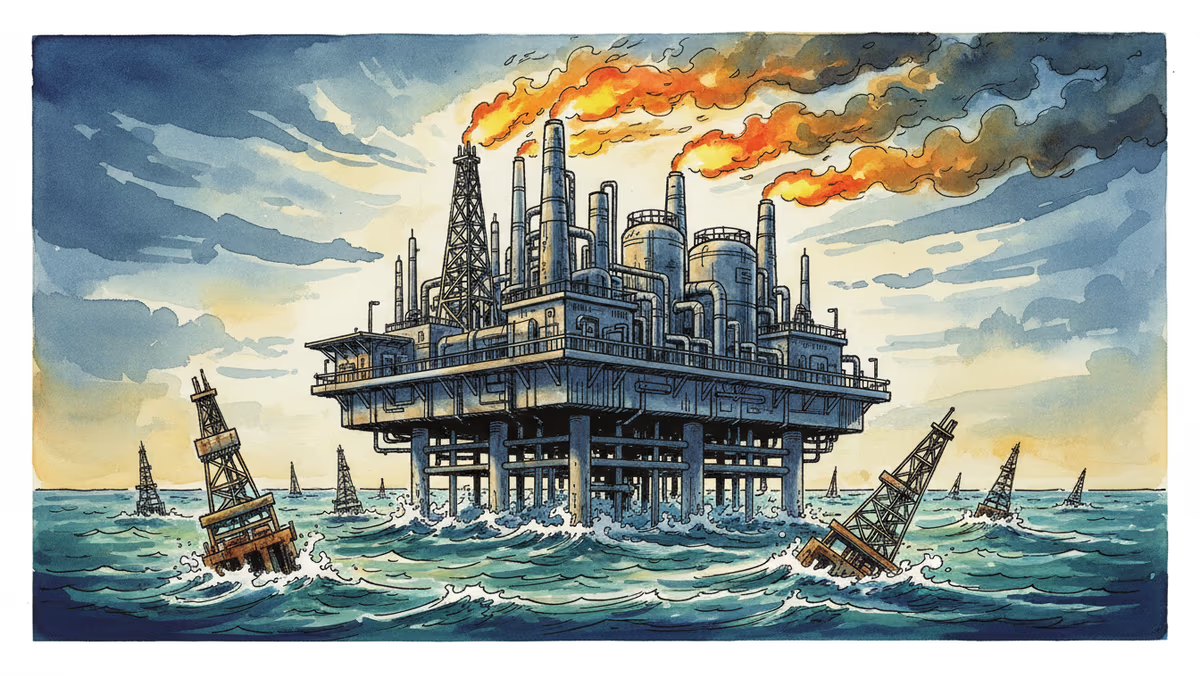
Floating LNG plants are transforming global energy supply chains, creating new geopolitical dynamics while challenging traditional gas exporters and environmental goals.
Surging AI data center power demands expose US grid limitations, threatening AI leadership and reshaping tech investment strategies
CoreWeave's 110% revenue surge reveals who's actually profiting from AI boom. While everyone chases ChatGPT, infrastructure providers count the cash.
China's high-speed rail network facilitates the world's largest human migration with 4 billion annual passengers. Exploring the economic and social implications of this massive infrastructure project.
Floating LNG plants are transforming global energy supply chains, creating new geopolitical dynamics while challenging traditional gas exporters and environmental goals.
Thoughts
Share your thoughts on this article
Sign in to join the conversation