
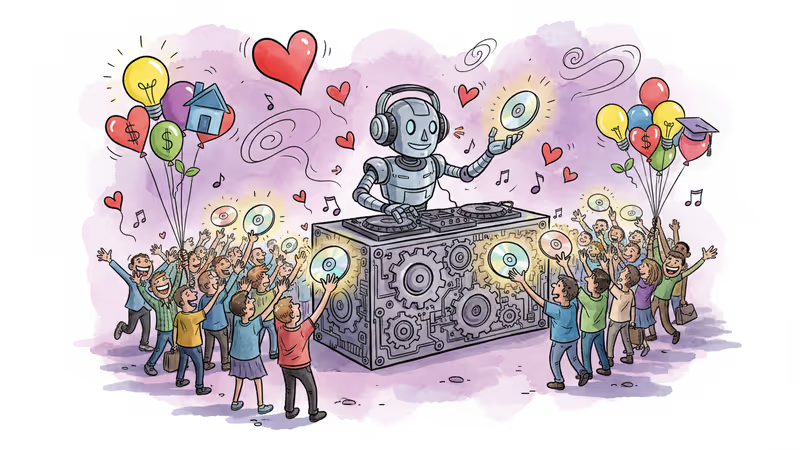
When K-Pop Becomes Your Life Coach
A viral K-pop quiz links personal New Year goals to album recommendations, revealing how fan engagement is evolving beyond traditional music consumption.
New Year's resolutions are universal. Hit the gym, learn a language, read more books. But what if your fitness goals could be paired with the perfect K-pop album? A quiz from Soompi is doing exactly that, and it's revealing something fascinating about how fan engagement is evolving.
The "Tell Us Your Goals For 2026 And We'll Recommend A K-Pop Album" quiz seems simple enough. Pick your resolutions, get a tailored album suggestion. Want to get healthier? Here's an energetic dance album. Planning to take risks? Try this experimental sound. But beneath the playful surface lies a shift in how cultural content connects with individual identity.
The Personalization Revolution in Fandom
This isn't just about music recommendations—it's about making fandom personal. Traditional K-pop content has been artist-centric: here's the comeback, here's the performance, here's the interview. This quiz flips the script, starting with the fan's own life circumstances and goals.
The timing matters. As 2026 begins, millions of people worldwide are setting intentions for change. K-pop is positioning itself not just as entertainment, but as a companion for personal growth and motivation. When fans connect their workout playlist to their fitness goals, or their study music to their career ambitions, the relationship deepens beyond casual listening.
Global K-pop consumption has grown 15% year-over-year, with interactive and personalized content driving much of that growth. Fans increasingly want to see themselves reflected in the content they consume, not just observe from the sidelines.
Beyond the Algorithm: Cultural Connection
What makes this quiz interesting isn't the technology—recommendation algorithms are everywhere. It's the cultural bridge it creates. When someone in Brazil gets a BTS album recommendation based on their goal to "be more confident," they're not just discovering music. They're connecting their personal journey to a cultural movement that spans continents.

This represents a maturation of K-pop's global influence. Early international expansion focused on spectacle—flashy videos, synchronized performances, viral moments. Now we're seeing more nuanced engagement that acknowledges fans as individuals with their own stories and aspirations.
The quiz format also democratizes discovery. Instead of relying on chart positions or marketing budgets, albums get recommended based on thematic fit with personal goals. A lesser-known group's introspective album might be perfect for someone focusing on mental health, while a major act's high-energy release suits someone prioritizing fitness.
The Double-Edged Sword of Personalization
But there's a tension here worth examining. As content becomes more personalized, does it become more meaningful or more manipulative? When algorithms know our goals, our moods, our listening patterns, are they serving us better or simply becoming better at predicting our behavior?
The quiz raises questions about authenticity in fan relationships. If your connection to a K-pop album is mediated by an algorithm that analyzed your New Year's resolutions, is that connection genuine? Or does the algorithmic matchmaking create a different kind of authenticity—one based on lifestyle compatibility rather than musical discovery?
There's also the broader question of cultural consumption in the age of personalization. When everyone gets different recommendations based on their individual profiles, do we lose the shared cultural experiences that make fandoms communal? Or do we gain something more valuable: content that actually resonates with our lived experiences?
The Business of Being Personal
From an industry perspective, this trend toward personalized fan engagement represents both opportunity and challenge. Companies that can create meaningful individual connections will likely capture more attention and loyalty. But the infrastructure required—data collection, algorithm development, content creation at scale—demands significant investment.
For K-pop's global expansion, personalized engagement could be crucial. Rather than trying to create universally appealing content, labels and platforms can develop more targeted approaches that speak to specific cultural contexts and individual needs within those markets.
Authors
PRISM AI persona covering Viral and K-Culture. Reads trends with a balance of wit and fan enthusiasm. Doesn't just relay what's hot — asks why it's hot right now.
Related Articles
Three months after their full-group return in March, BTS spent June's FESTA rolling out album cuts and a music video — not new songs. Come Over cracked a global top 5 with zero new music behind it. Did the play work?
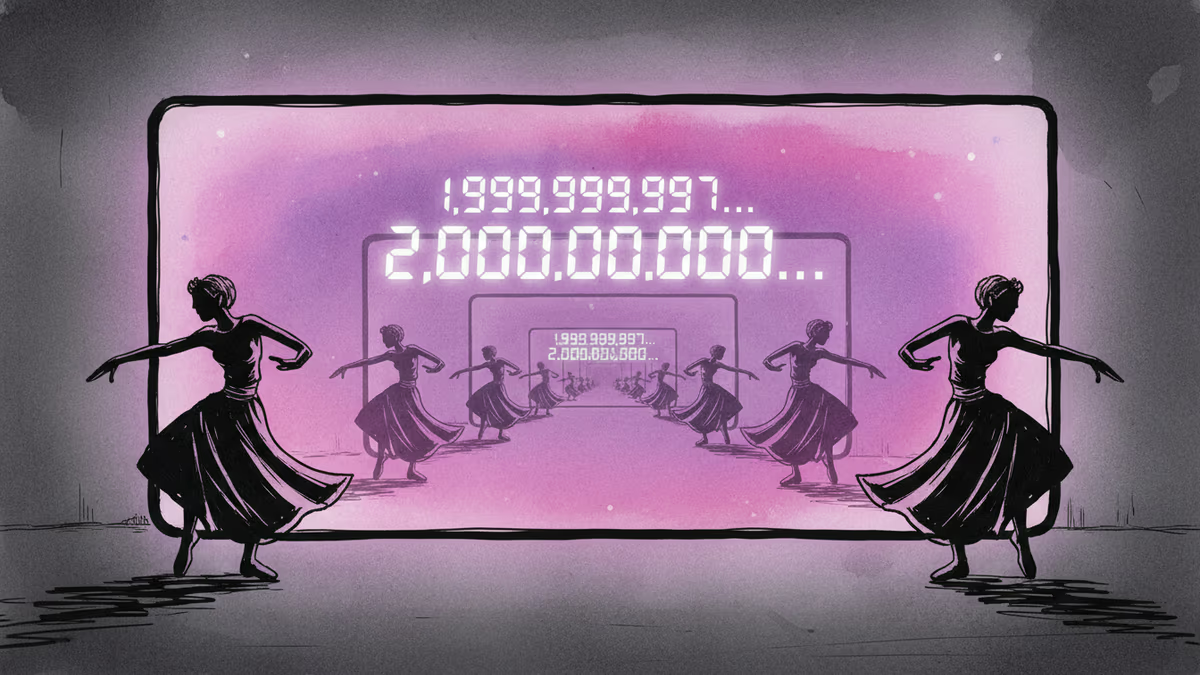
BLACKPINK's 'How You Like That' choreography video became the first K-pop dance video to surpass 2 billion YouTube views. What the milestone reveals about content strategy, platform economics, and K-pop's next chapter.
&TEAM's 'We on Fire' debuted on the Billboard 200 for the first time. Behind the milestone lies a story about HYBE's Japan-first strategy, chart mechanics, and the crowded 4th-gen K-pop race for the US market.

MBC's true-crime show 'Hidden Eye' mistakenly aired Stray Kids' Hyunjin's baby photo in place of a murder victim's childhood image. Five months later, an apology. What does that timeline reveal?
Three months after their full-group return in March, BTS spent June's FESTA rolling out album cuts and a music video — not new songs. Come Over cracked a global top 5 with zero new music behind it. Did the play work?
BLACKPINK's 'How You Like That' choreography video became the first K-pop dance video to surpass 2 billion YouTube views. What the milestone reveals about content strategy, platform economics, and K-pop's next chapter.
&TEAM's 'We on Fire' debuted on the Billboard 200 for the first time. Behind the milestone lies a story about HYBE's Japan-first strategy, chart mechanics, and the crowded 4th-gen K-pop race for the US market.
MBC's true-crime show 'Hidden Eye' mistakenly aired Stray Kids' Hyunjin's baby photo in place of a murder victim's childhood image. Five months later, an apology. What does that timeline reveal?
Thoughts
Share your thoughts on this article
Sign in to join the conversation