
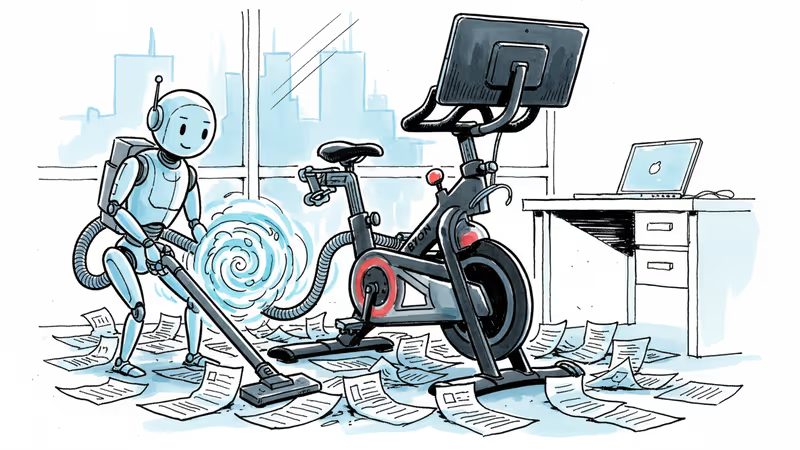
Peloton Cuts 11% of Staff as Fitness Giant Fights for Relevance
Peloton's latest layoffs target engineers as the company pivots to AI-powered hardware amid declining post-pandemic demand. What's next for fitness tech?
Peloton just cut 11% of its workforce on Friday, primarily targeting engineers working on technology and enterprise initiatives. It's the latest chapter in what's becoming a familiar story: a pandemic darling trying to find its footing in a world that's moved on from home fitness obsessions.
The layoffs come just months after Peloton trimmed 6% of its staff last August, with leadership promising investors more cuts throughout 2026. The goal? Slash at least $100 million in annual spending by fiscal year-end. For a company that once commanded a $50 billion valuation at its pandemic peak, these numbers tell a sobering tale of correction.
The AI Pivot Strategy
Peloton's response to its post-boom struggles isn't just about cutting costs—it's about reinventing itself entirely. The company recently launched its Cross Training Series featuring Peloton IQ AI capabilities across new hardware including updated Bike, Bike Plus, Tread, and Tread Plus models.
This isn't just a product refresh; it's a fundamental bet that artificial intelligence can reignite consumer interest in connected fitness equipment. The AI features promise personalized coaching, adaptive workout recommendations, and smarter performance tracking—essentially trying to make home fitness feel less lonely and more intelligent.
But here's the challenge: while Peloton invests in AI-powered hardware, it's simultaneously cutting the engineering talent that develops such technology. This creates an interesting tension between innovation ambitions and operational realities.
The Broader Fitness Tech Reckoning

Peloton's struggles reflect a wider recalibration in the fitness technology sector. Companies that thrived during lockdowns are now competing with reopened gyms, outdoor activities, and frankly, consumer fatigue with expensive home equipment.
The connected fitness market, once projected to reach $59 billion by 2027, is facing headwinds from changing consumer behavior. People are questioning whether they need a $1,500 bike when they can access similar content through smartphone apps and traditional gym memberships.
Meanwhile, competitors like Apple Fitness+, Mirror (now discontinued), and various app-based solutions are fragmenting the market Peloton once dominated. The company's challenge isn't just technological—it's existential.
What This Means for Stakeholders
For employees, particularly in tech roles, Peloton's cuts signal an industry-wide contraction. The company's focus on enterprise solutions suggests it's exploring B2B revenue streams, potentially partnering with hotels, corporate wellness programs, or healthcare providers.
Investors are watching whether Peloton can successfully transition from a pandemic beneficiary to a sustainable fitness technology company. The AI integration represents a costly bet that could either differentiate the brand or drain resources without meaningful returns.
Consumers face their own calculation: Is Peloton's premium positioning worth it when fitness options have multiplied? The company's survival depends on proving that its ecosystem—hardware, content, community, and now AI—creates enough value to justify the investment.
Authors
Related Articles

Two ex-Apple engineers built an AI puck that only listens when you press it. At $179, Button is a deliberate bet that dedicated AI hardware beats the Swiss Army knife approach of smartphones.
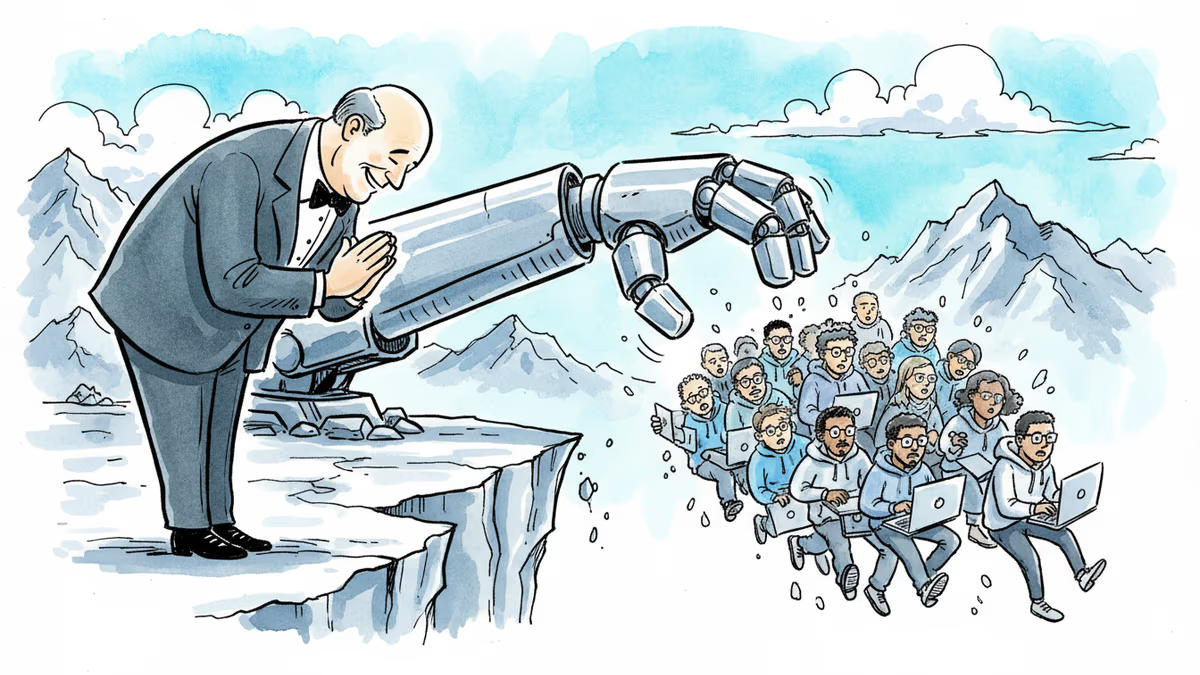
Sam Altman thanked developers for writing code the hard way. The same week, Amazon cut 16,000 jobs. What does gratitude mean when the grateful party built the replacement?

A South Korean startup called Absolics is betting that glass substrates can cut AI chip energy consumption. Here's why that matters beyond the data center.

A material humans have shaped for thousands of years is about to become the backbone of next-gen AI chips. Here's why the semiconductor industry is betting on glass—and what's at stake.
Two ex-Apple engineers built an AI puck that only listens when you press it. At $179, Button is a deliberate bet that dedicated AI hardware beats the Swiss Army knife approach of smartphones.
Sam Altman thanked developers for writing code the hard way. The same week, Amazon cut 16,000 jobs. What does gratitude mean when the grateful party built the replacement?
A South Korean startup called Absolics is betting that glass substrates can cut AI chip energy consumption. Here's why that matters beyond the data center.
A material humans have shaped for thousands of years is about to become the backbone of next-gen AI chips. Here's why the semiconductor industry is betting on glass—and what's at stake.
Thoughts
Share your thoughts on this article
Sign in to join the conversation