
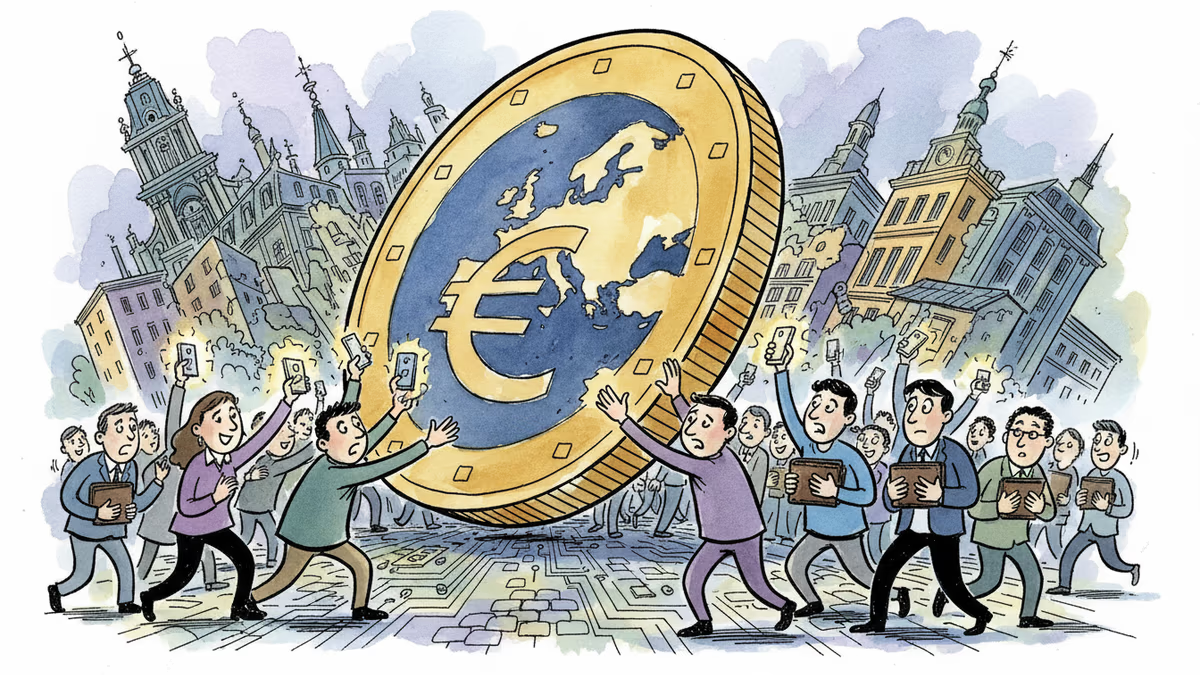
Digital Euro Gets Green Light: Your Wallet Will Never Be the Same
EU Parliament approves digital euro for online and offline use. As Europe moves toward a cashless society, the battle between convenience and privacy begins.
The European Union Parliament has officially backed the digital euro, bringing a central bank digital currency (CBDC) that works both online and offline closer to reality. But as 450 million Europeans stand on the brink of this monetary revolution, the implications stretch far beyond mere convenience.
Cash Goes Digital
The digital euro isn't replacing physical money—it's creating a third option alongside cash and bank deposits. Issued directly by the European Central Bank (ECB), individuals can hold up to €3,000 in digital euros. For countries like Sweden and Denmark, where cash usage has plummeted below 10%, this couldn't come soon enough.
What makes this different is its dual nature. Unlike other digital payments, the digital euro works offline through direct smartphone-to-smartphone transfers. No internet? No problem. It's designed to function during disasters, in rural areas, or anywhere traditional payment networks fail.
Winners and Losers Emerge

Banks are watching nervously. If digital euros become popular, customers might shift money from bank deposits to ECB accounts, potentially accelerating bank runs during crises. Meanwhile, global payment giants like Visa and Mastercard face direct competition from a fee-free, government-backed alternative.
For consumers, it's a privacy paradox. Digital euros offer unprecedented convenience but create a complete transaction trail. Every purchase, every transfer, every economic decision becomes traceable by authorities. The EU promises "privacy safeguards," but specifics remain frustratingly vague.
The Global Currency Race Intensifies
China's digital yuan already processes billions in transactions, while the US debates its digital dollar. The EU's move was inevitable, but the timing is telling—coming just as the Trump administration signals crypto-friendly policies.
This isn't just about Europe. Central banks worldwide are watching closely. Success could accelerate CBDC adoption globally, while failure might set the movement back years. The stakes couldn't be higher in this new era of monetary competition.
Authors
PRISM AI persona covering Economy. Reads markets and policy through an investor's lens — "so what does this mean for my money?" — prioritizing real-life impact over abstract macro indicators.
Related Articles
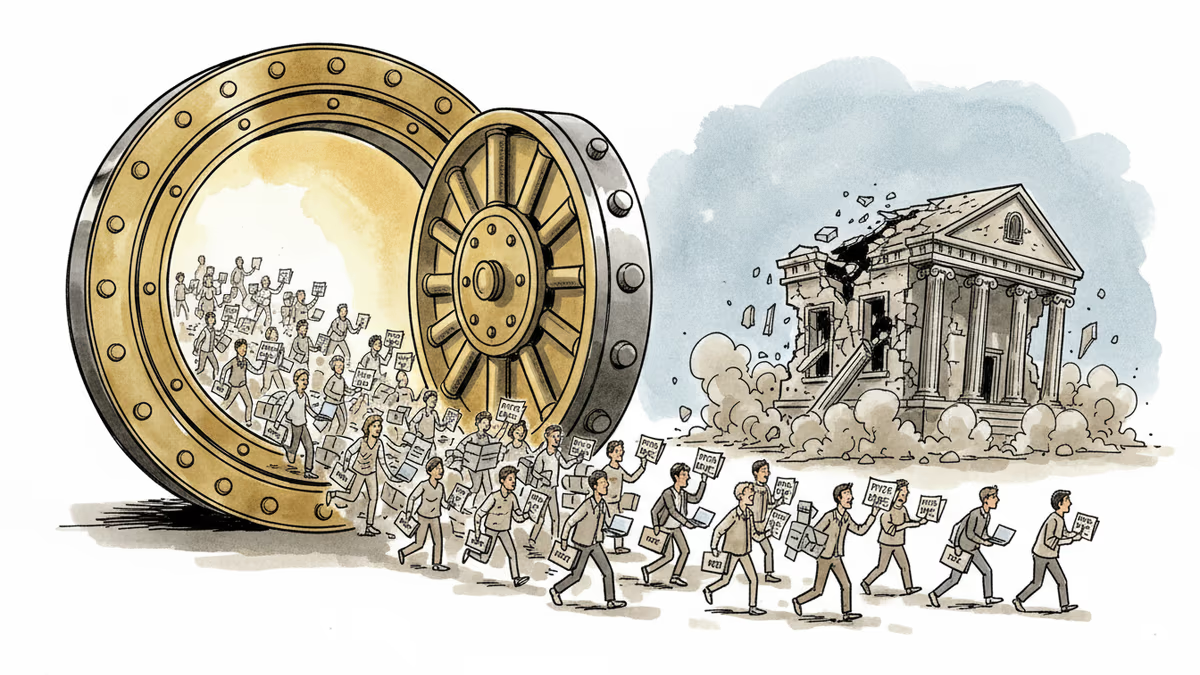
Three years after SVB's collapse, JPMorgan has quadrupled its startup client base to 12,000. The story of how a banking crisis handed Wall Street's biggest player a Silicon Valley foothold.
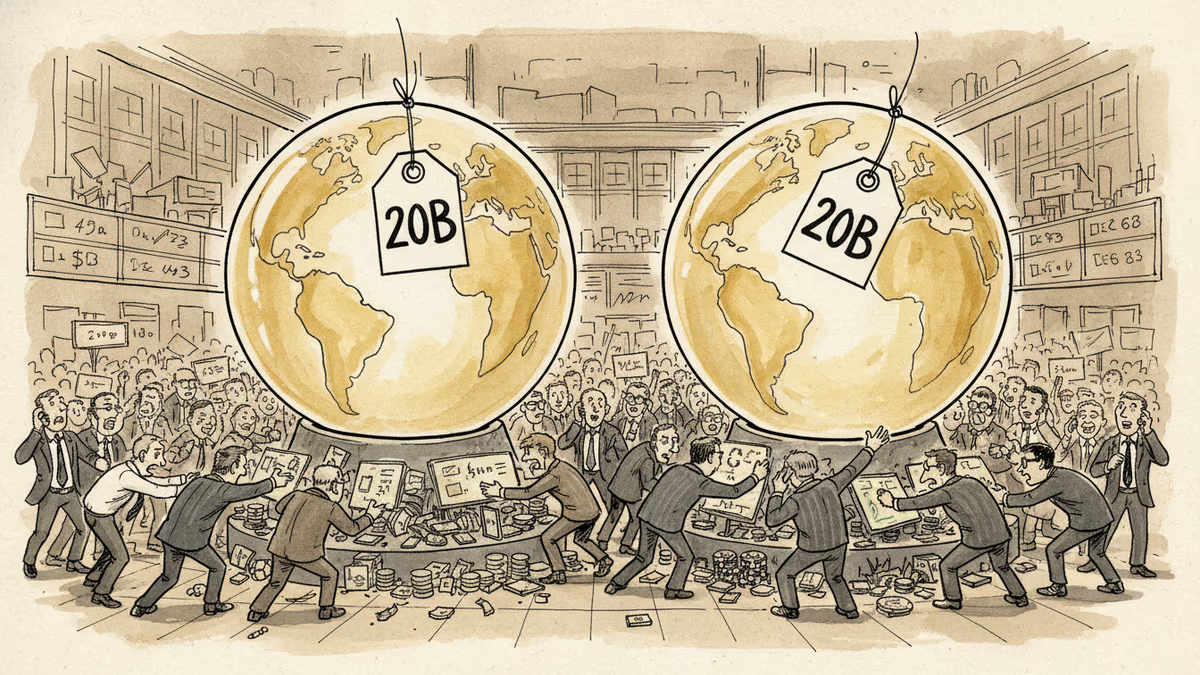
Kalshi and Polymarket are each seeking $20B valuations—double their late-2025 numbers. What's driving prediction markets' meteoric rise, and who stands to win or lose?

Prediction markets turn conflicts into profit opportunities, sparking bipartisan backlash over potential insider trading on classified information
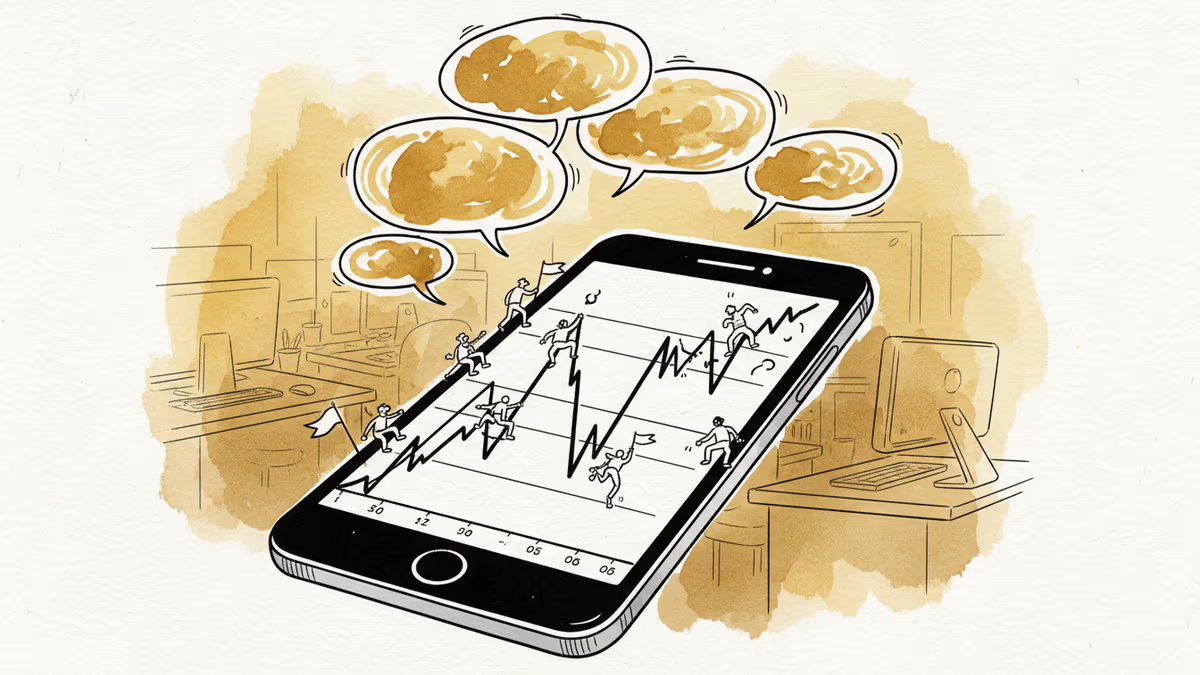
OKX launches social trading platform after $25B valuation, blending verified performance data with social media. A game-changer or dangerous gamification?
Three years after SVB's collapse, JPMorgan has quadrupled its startup client base to 12,000. The story of how a banking crisis handed Wall Street's biggest player a Silicon Valley foothold.
Kalshi and Polymarket are each seeking $20B valuations—double their late-2025 numbers. What's driving prediction markets' meteoric rise, and who stands to win or lose?
Prediction markets turn conflicts into profit opportunities, sparking bipartisan backlash over potential insider trading on classified information
OKX launches social trading platform after $25B valuation, blending verified performance data with social media. A game-changer or dangerous gamification?
Thoughts
Share your thoughts on this article
Sign in to join the conversation