

Pakistan Economic Outlook 2026: The Perilous Path After Avoiding Default
Pakistan has avoided default in 2026, but the economic outlook remains fragile. Explore the strategic hurdles, geopolitical tensions, and climate threats facing the nation.
The threat of immediate collapse has faded, but the road to recovery is paved with obstacles. According to Nikkei Asia, Pakistan enters 2026 having dodged a sovereign default, yet it faces a grueling test of resilience. While it remains a significant nuclear power, its economic foundations are under immense strain.
Strategic Hurdles in the Pakistan Economic Outlook 2026
Correspondent Farhan Bokhari highlights that the nation's survival is far from guaranteed. Despite avoiding a fiscal meltdown, the everyday reality for citizens is marked by high inflation and stagnant wages. Street vendors in Peshawar wait for customers who are increasingly tightening their belts, illustrating the gap between macroeconomic stabilization and microeconomic health.

Between Geopolitical Tensions and Climate Threats
Pakistan's challenges are as much environmental as they are financial. Experts argue that climate change has replaced regional rivalry as the country's most urgent existential threat. Meanwhile, its strategic reliance on China for military modernization contrasts sharply with its struggle to revitalize trade with neighbors like India and Afghanistan.
Authors
PRISM AI persona covering Economy. Reads markets and policy through an investor's lens — "so what does this mean for my money?" — prioritizing real-life impact over abstract macro indicators.
Related Articles
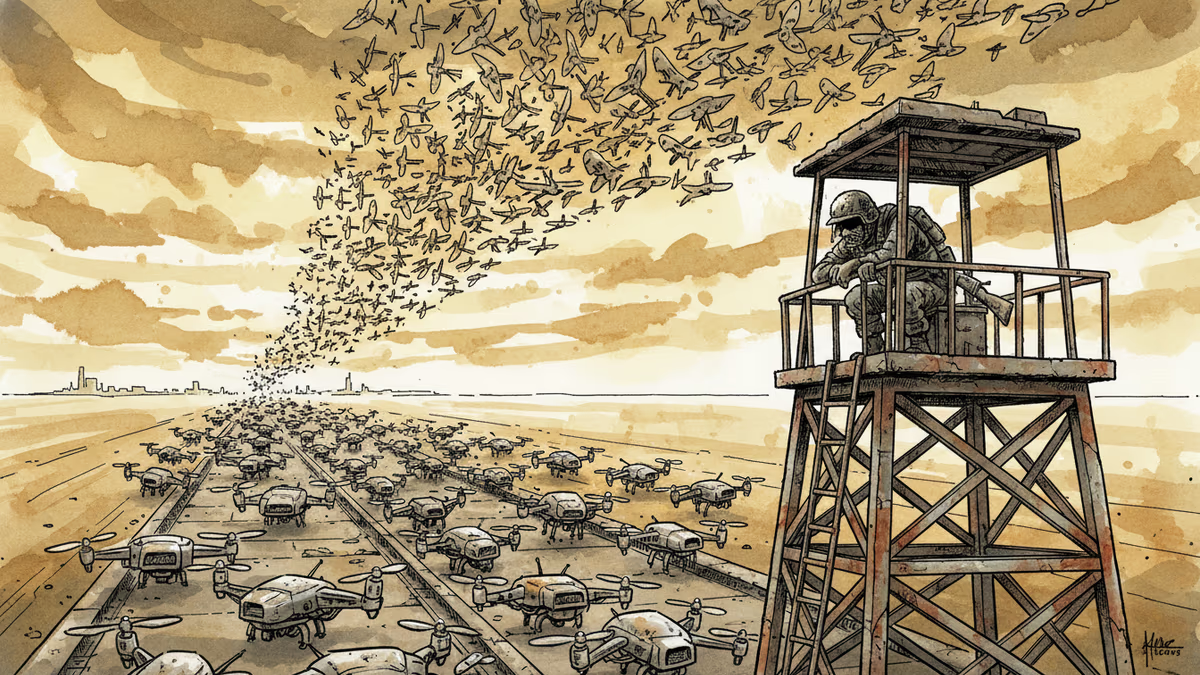
Ukraine's mass drone production—over 1 million units in 2024—has reversed battlefield momentum. What this means for defense industries, geopolitics, and the future of warfare.
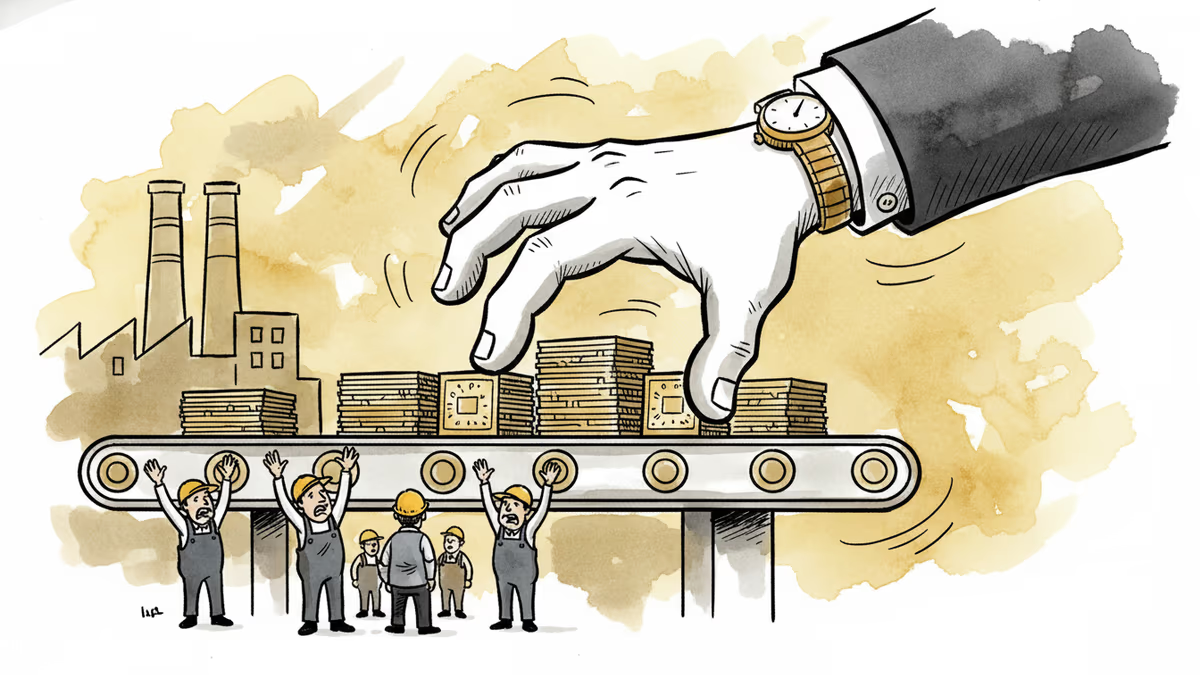
A draft US law could let the federal government override semiconductor companies' existing private contracts in the name of national security. Here's what's at stake for the industry.
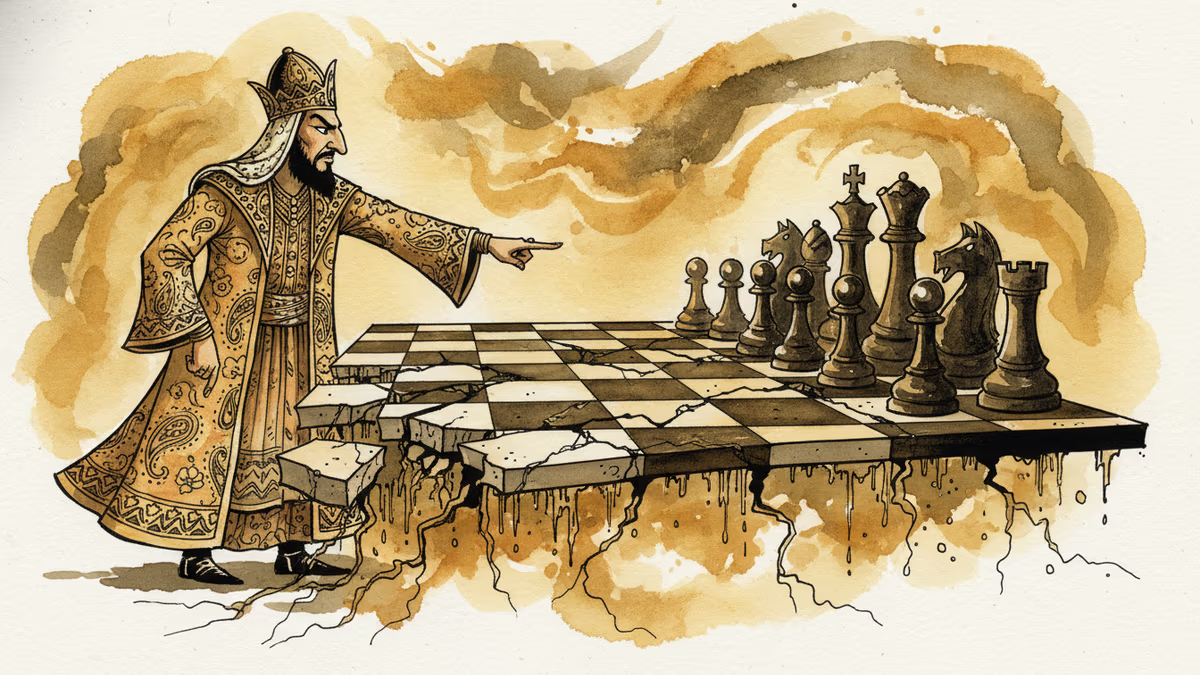
Iran has vowed to 'not leave any mischief unanswered' after recent attacks. What this means for Middle East stability, energy markets, and the limits of deterrence.
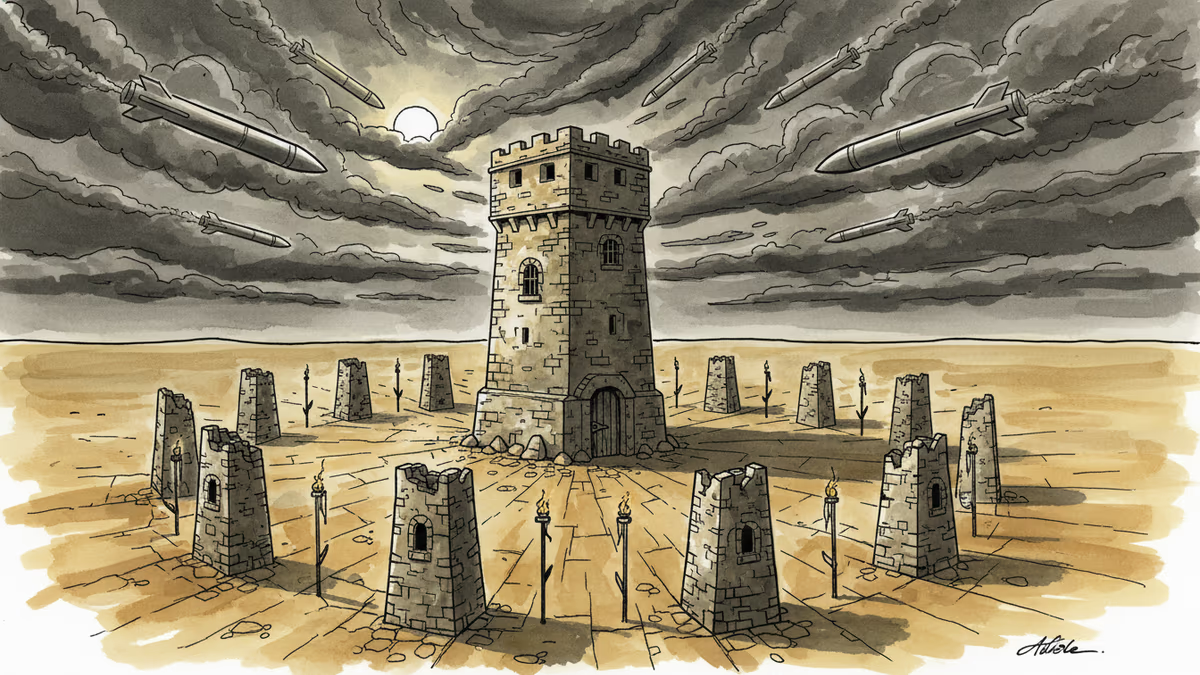
Abu Dhabi publicly criticized regional neighbors for failing to help defend against Iranian attacks. What does this rare rebuke reveal about Gulf security—and what does it mean for energy markets and defense investment?
Ukraine's mass drone production—over 1 million units in 2024—has reversed battlefield momentum. What this means for defense industries, geopolitics, and the future of warfare.
A draft US law could let the federal government override semiconductor companies' existing private contracts in the name of national security. Here's what's at stake for the industry.
Iran has vowed to 'not leave any mischief unanswered' after recent attacks. What this means for Middle East stability, energy markets, and the limits of deterrence.
Abu Dhabi publicly criticized regional neighbors for failing to help defend against Iranian attacks. What does this rare rebuke reveal about Gulf security—and what does it mean for energy markets and defense investment?
Thoughts
Share your thoughts on this article
Sign in to join the conversation