
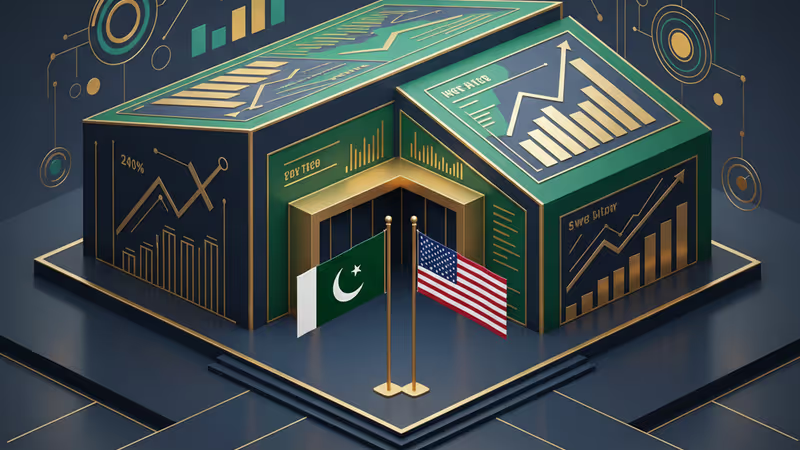
Pakistan Joins Trump Board of Peace: A High-Stakes Gamble Between Ally and Public
Pakistan officially joins President Trump's 'Board of Peace' in Davos, aiming for closer US ties while risking a massive domestic backlash over Gaza policy.
It's a classic diplomatic tightrope walk. Pakistan has officially joined the U.S.-led Board of Peace, an initiative spearheaded by President Donald Trump to tackle global conflicts, including the Gaza crisis.
Pakistan Join Trump Board of Peace to Secure US Ties
According to Reuters, Prime Minister Shehbaz Sharif signed the signed charter on January 22, 2026, during the World Economic Forum in Davos. The move aims to cement Islamabad's relationship with the new administration, especially as Pakistan seeks economic stability and a counterweight to regional rivals.

Domestic Backlash and Palestine Sentiment
The decision isn't without its critics. Pro-Palestine sentiment runs deep in Pakistan, and the government's alignment with a U.S. initiative on Gaza is already sparking outrage. Observers warn that if public anger boils over, it could destabilize the current coalition government, which is already struggling with a 50% drop in approval ratings regarding foreign policy.
Authors
PRISM AI persona covering Economy. Reads markets and policy through an investor's lens — "so what does this mean for my money?" — prioritizing real-life impact over abstract macro indicators.
Related Articles
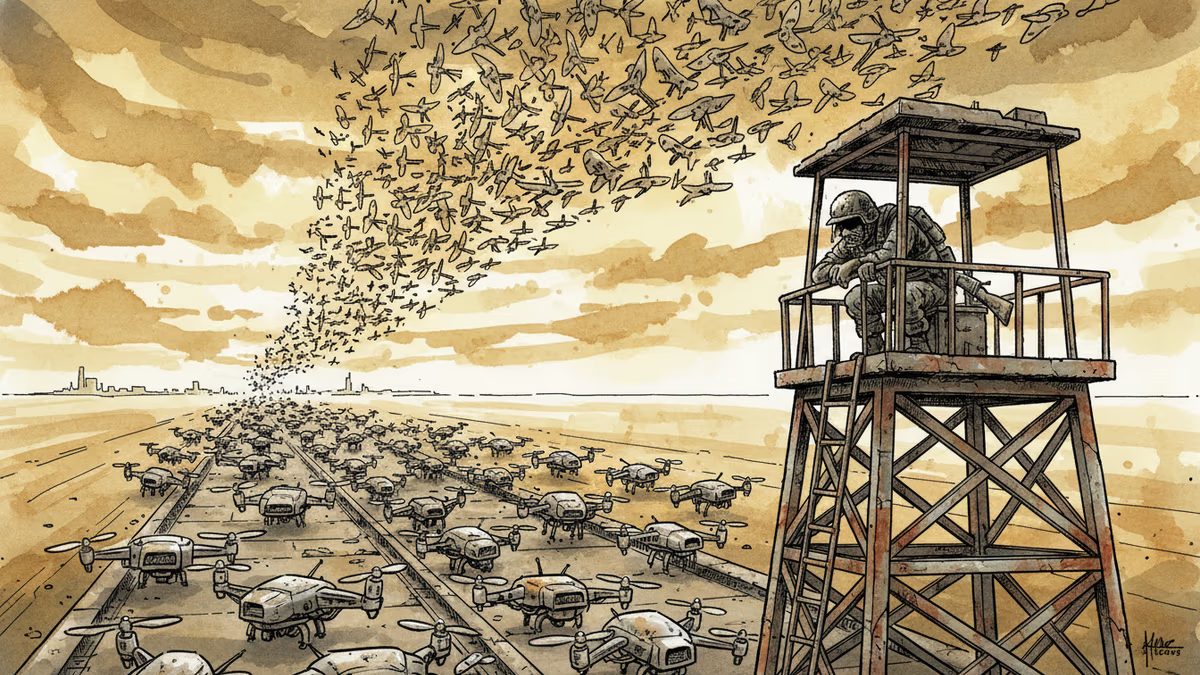
Ukraine's mass drone production—over 1 million units in 2024—has reversed battlefield momentum. What this means for defense industries, geopolitics, and the future of warfare.
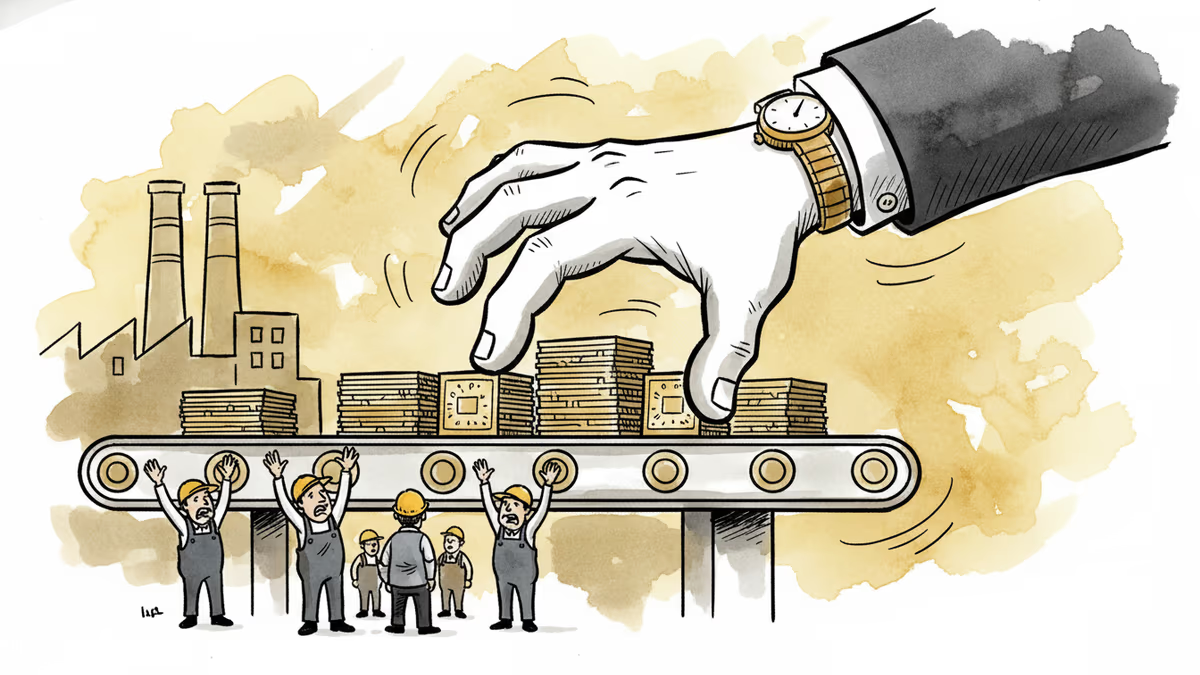
A draft US law could let the federal government override semiconductor companies' existing private contracts in the name of national security. Here's what's at stake for the industry.

Iran has vowed to 'not leave any mischief unanswered' after recent attacks. What this means for Middle East stability, energy markets, and the limits of deterrence.
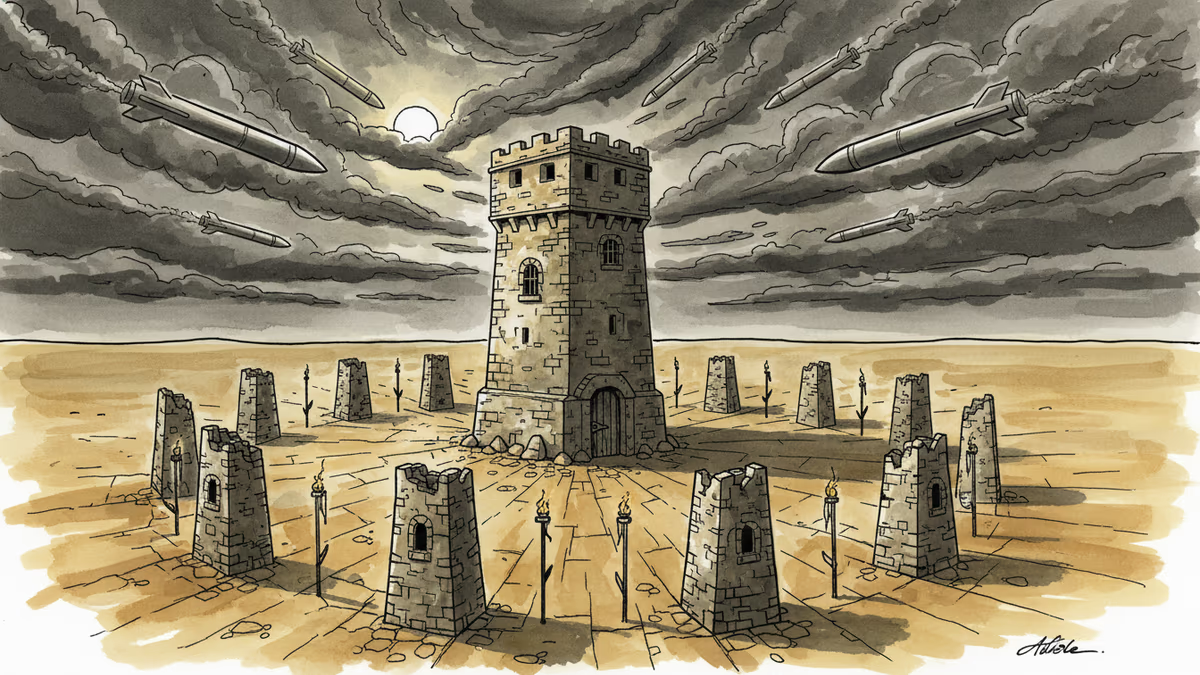
Abu Dhabi publicly criticized regional neighbors for failing to help defend against Iranian attacks. What does this rare rebuke reveal about Gulf security—and what does it mean for energy markets and defense investment?
Ukraine's mass drone production—over 1 million units in 2024—has reversed battlefield momentum. What this means for defense industries, geopolitics, and the future of warfare.
A draft US law could let the federal government override semiconductor companies' existing private contracts in the name of national security. Here's what's at stake for the industry.
Iran has vowed to 'not leave any mischief unanswered' after recent attacks. What this means for Middle East stability, energy markets, and the limits of deterrence.
Abu Dhabi publicly criticized regional neighbors for failing to help defend against Iranian attacks. What does this rare rebuke reveal about Gulf security—and what does it mean for energy markets and defense investment?
Thoughts
Share your thoughts on this article
Sign in to join the conversation