
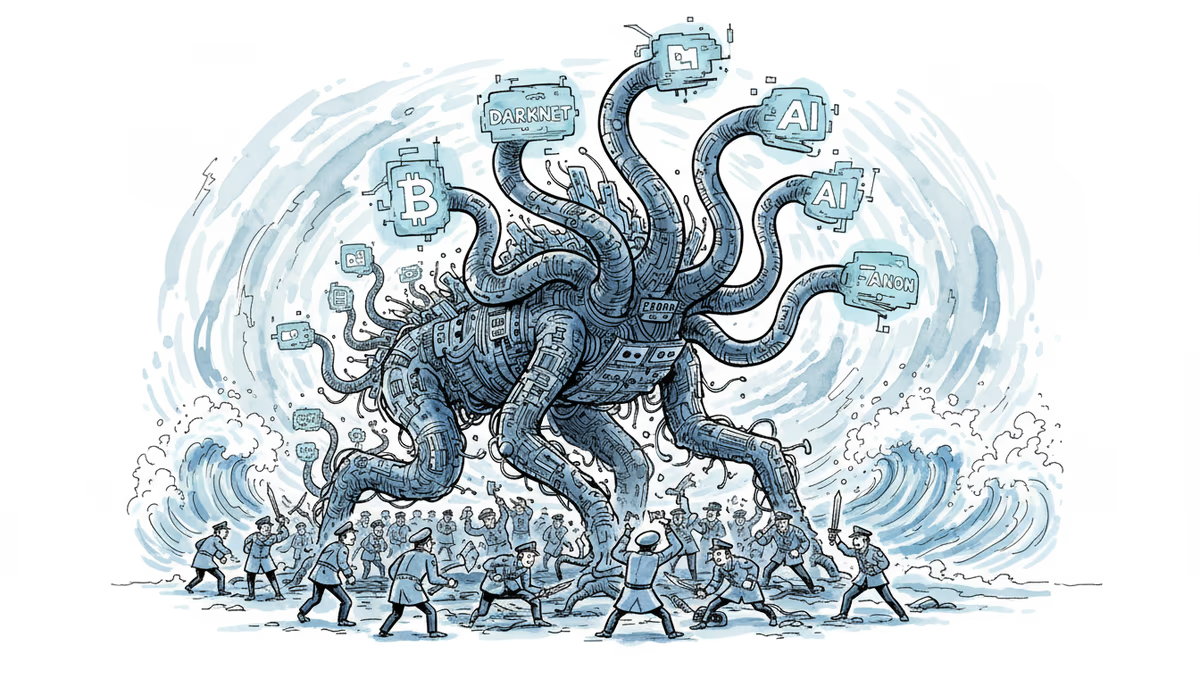
The Boomerang Effect: Lumma Stealer Returns Stronger
International law enforcement dismantled Lumma Stealer in May, but it's back at scale, infecting 395,000 Windows PCs. Why are cybercrime takedowns so temporary?
Eight months. That's how long it took for one of the world's most prolific infostealers to bounce back from what seemed like a knockout punch. Lumma Stealer, the malware that infected 395,000 Windows computers in just two months before international authorities dismantled it last May, is now "back at scale" with harder-to-detect attacks.
The $2,500 Crime Kit That Won't Die
Lumma Stealer first surfaced in Russian-speaking cybercrime forums in 2022, offering a malware-as-a-service model that democratized cybercrime. For up to $2,500 for premium versions, wannabe criminals could access a sprawling infrastructure of fake software sites, command-and-control channels, and everything needed to run an infostealering operation.
By spring 2024, the FBI counted more than 21,000 listings on crime forums. Microsoft called it the "go-to tool" for multiple crime groups, including Scattered Spider, one of the most prolific ransomware gangs. The numbers were staggering: hundreds of thousands of infected machines funneling credentials, browser data, and sensitive files to criminal buyers.
The Illusion of Victory
Last May's international operation looked like a textbook success. The FBI and coalition partners seized 2,300 domains, command-and-control infrastructure, and crime marketplaces. Press releases celebrated the dismantling of a major cybercriminal enterprise. Cybersecurity experts praised the unprecedented level of international cooperation.

But researchers revealed Wednesday that celebration was premature. Lumma has not only returned—it's evolved. The new version uses more sophisticated evasion techniques, making it harder for traditional security tools to detect. The core functionality remains the same: stealing login credentials, browser data, cryptocurrency wallets, and sensitive documents.
The Hydra Problem
The Lumma resurrection exposes a fundamental flaw in how we think about cybercrime enforcement. Unlike traditional organized crime, cybercriminal infrastructure can be rebuilt overnight. Domains are cheap, cloud services are abundant, and the technical knowledge is already distributed among criminal networks.
For everyday users, this means the threat landscape remains as dangerous as ever. The same lure tactics work: free cracked software, pirated games, and "too good to be true" downloads. Remote workers storing company data on personal devices face particular risk—one infected home computer can become a gateway to corporate networks.
The Economics Don't Add Up
From the criminals' perspective, the math is simple. Even if law enforcement shuts down their operation every year, the profits from just a few months of activity can fund multiple comebacks. A successful Lumma campaign can generate millions in stolen data and cryptocurrency before authorities even identify the infrastructure.
Meanwhile, international law enforcement operations require months of coordination, legal approvals across multiple jurisdictions, and significant resources. By the time the takedown happens, the criminals have often already moved to new infrastructure.
Authors
Related Articles

UK Visa Portal, a private immigration service mistaken for an official government site, has been exposing passport scans and selfies of over 100,000 applicants. The breach remains unpatched.
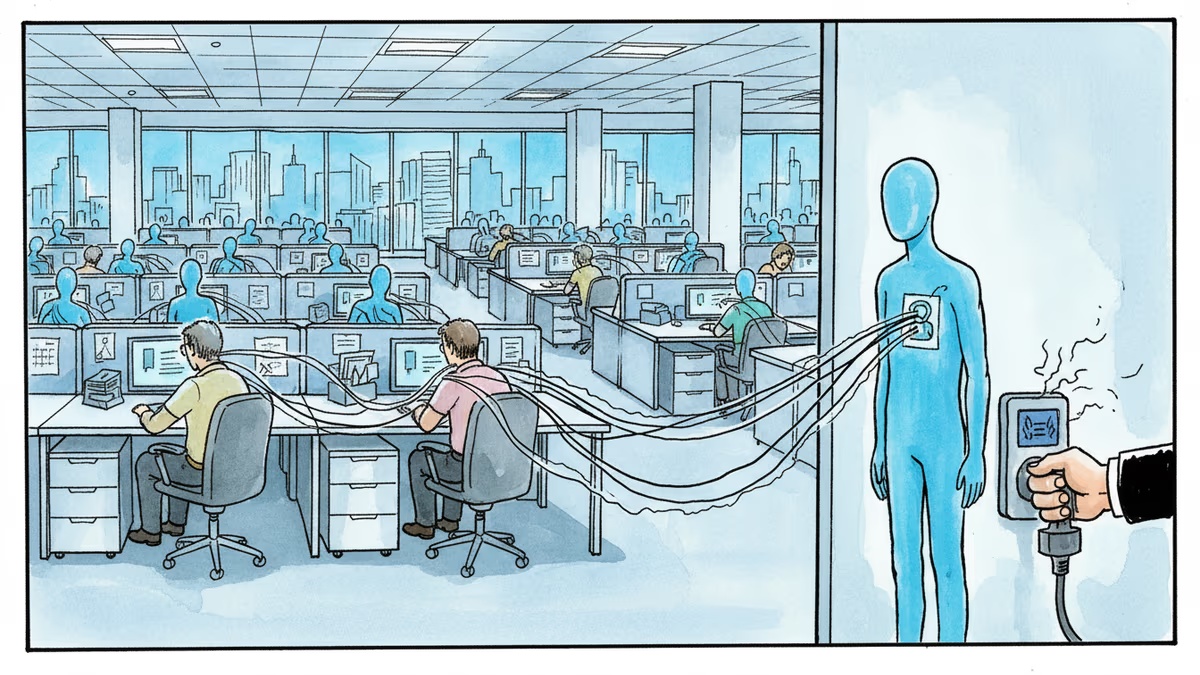
Okta CEO Todd McKinnon on why AI agents need identity management, the SaaSpocalypse threat, and why the kill switch might be the most important button in enterprise tech.
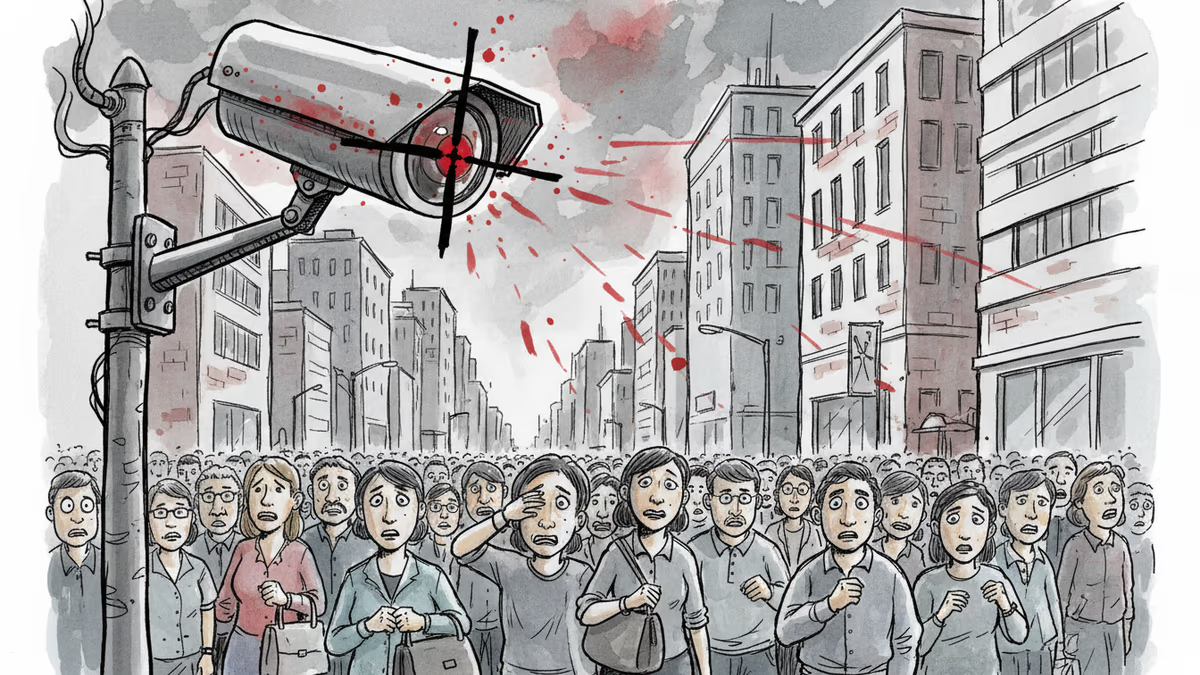
Iran and Israel are hacking civilian security cameras for military reconnaissance. How consumer surveillance devices became weapons of war.
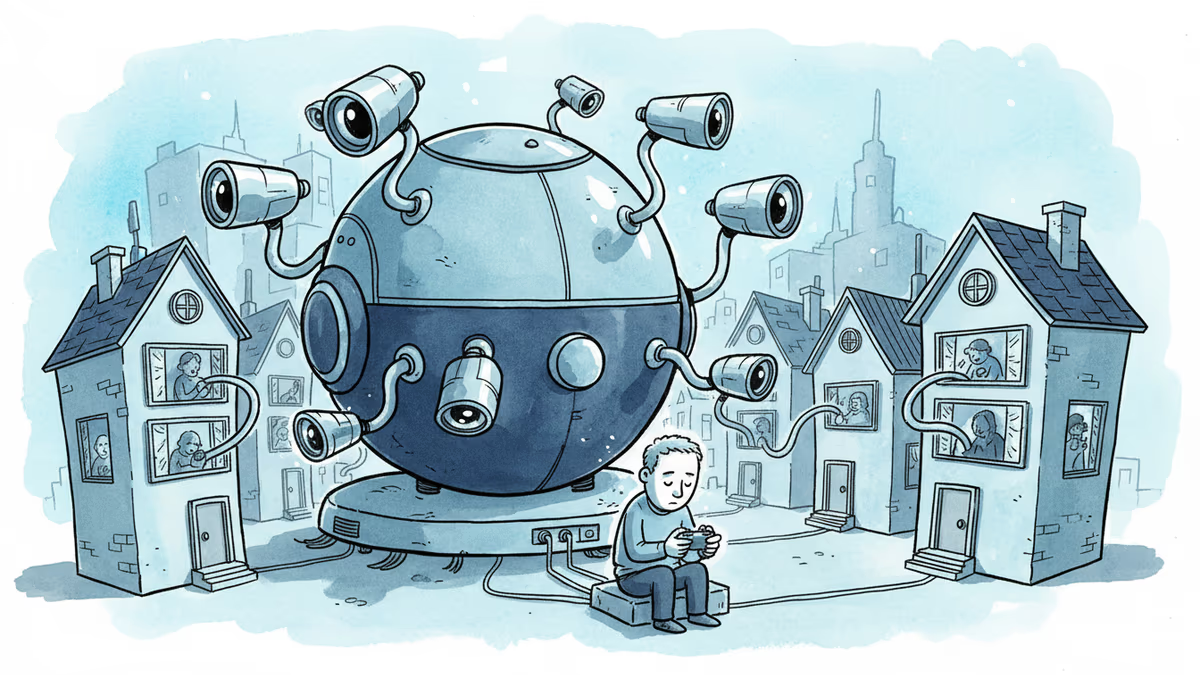
A security researcher discovered he could access 7,000 DJI robot vacuums and peek into strangers' homes. This Valentine's Day revelation exposes the hidden privacy risks of our smart home obsession.
UK Visa Portal, a private immigration service mistaken for an official government site, has been exposing passport scans and selfies of over 100,000 applicants. The breach remains unpatched.
Okta CEO Todd McKinnon on why AI agents need identity management, the SaaSpocalypse threat, and why the kill switch might be the most important button in enterprise tech.
Iran and Israel are hacking civilian security cameras for military reconnaissance. How consumer surveillance devices became weapons of war.
A security researcher discovered he could access 7,000 DJI robot vacuums and peek into strangers' homes. This Valentine's Day revelation exposes the hidden privacy risks of our smart home obsession.
Thoughts
Share your thoughts on this article
Sign in to join the conversation