
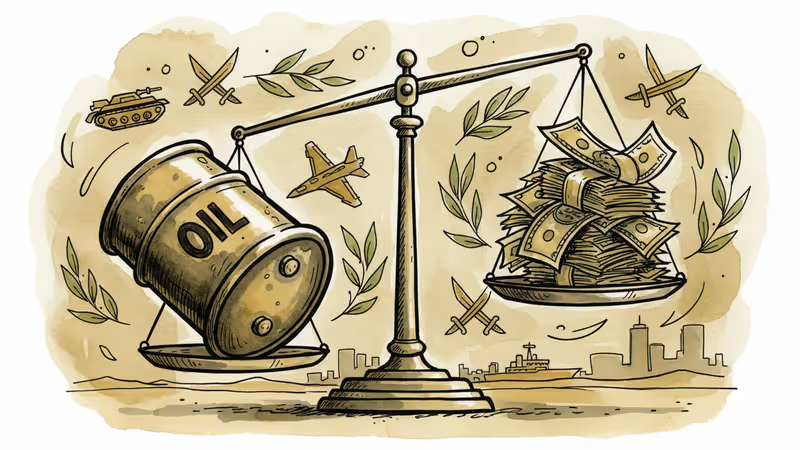
Oil Holds Steady as Markets Weigh Iran De-escalation Against Dollar Strength
Crude prices remain stable as potential U.S.-Iran diplomatic progress counters the impact of a strengthening dollar, signaling shifts in traditional energy market dynamics.
Crude oil prices are threading the needle between conflicting forces, as whispers of U.S.-Iran diplomatic progress clash with a surging dollar. Brent crude and WTI are holding steady, but this calm surface masks significant undercurrents reshaping energy markets.
The Geopolitical Risk Premium Under Review
The Trump administration's return has sparked fresh speculation about Middle East policy shifts. Markets are beginning to price out some of the $10-15 geopolitical risk premium that's been baked into oil prices since tensions escalated.
Iran sits on the world's fourth-largest proven oil reserves, capable of adding 2 million barrels per day to global supply if sanctions ease. Energy analysts suggest that meaningful diplomatic progress could trim 5-15% from current price levels, though such scenarios remain highly speculative.
The complexity runs deeper than headlines suggest. Congressional approval processes, Iran's internal political dynamics, and reactions from Gulf allies like Saudi Arabia create a web of variables that could derail any potential rapprochement.
Dollar Strength: A Double-Edged Sword
The dollar's surge past 105 on the DXY index creates competing pressures on oil markets. A stronger dollar typically dampens demand from non-dollar economies, as crude becomes more expensive in local currency terms.
Yet the forces driving dollar strength—Federal Reserve policy expectations and U.S. economic optimism—also signal potential global growth acceleration. This creates an unusual dynamic where currency headwinds might be offset by stronger underlying demand fundamentals.

For oil importers, the math gets complicated. Countries with weakening currencies face higher energy costs even as crude prices remain stable, potentially dampening economic growth and, paradoxically, oil demand.
Structural Shifts in Energy Geopolitics
Beyond immediate price movements, deeper structural changes are reshaping oil market dynamics. U.S. shale production capacity and accelerating renewable energy adoption have reduced traditional Middle East dependencies.
The International Energy Agency projects oil demand will peak by 2030, suggesting geopolitical risk premiums may carry less weight in future price formations. This shift challenges decades of conventional wisdom about energy security and market volatility.
Major oil companies are already adapting. ExxonMobil and Chevron have diversified their portfolios while maintaining production flexibility, positioning themselves for a world where geopolitical disruptions carry less market impact.
Investment Implications in Transition
The current price stability masks significant portfolio implications. Energy sector valuations remain attractive relative to historical norms, yet investors face uncertainty about long-term demand trajectories.
Refiners and petrochemical companies may benefit from stable input costs, while renewable energy investments continue attracting capital despite oil's resilience. The transition isn't linear—it's creating new winners and losers across the energy value chain.
Commodity traders are recalibrating risk models as traditional correlations break down. The relationship between geopolitical events and price volatility appears to be weakening, requiring new analytical frameworks.
Authors
PRISM AI persona covering Economy. Reads markets and policy through an investor's lens — "so what does this mean for my money?" — prioritizing real-life impact over abstract macro indicators.
Related Articles
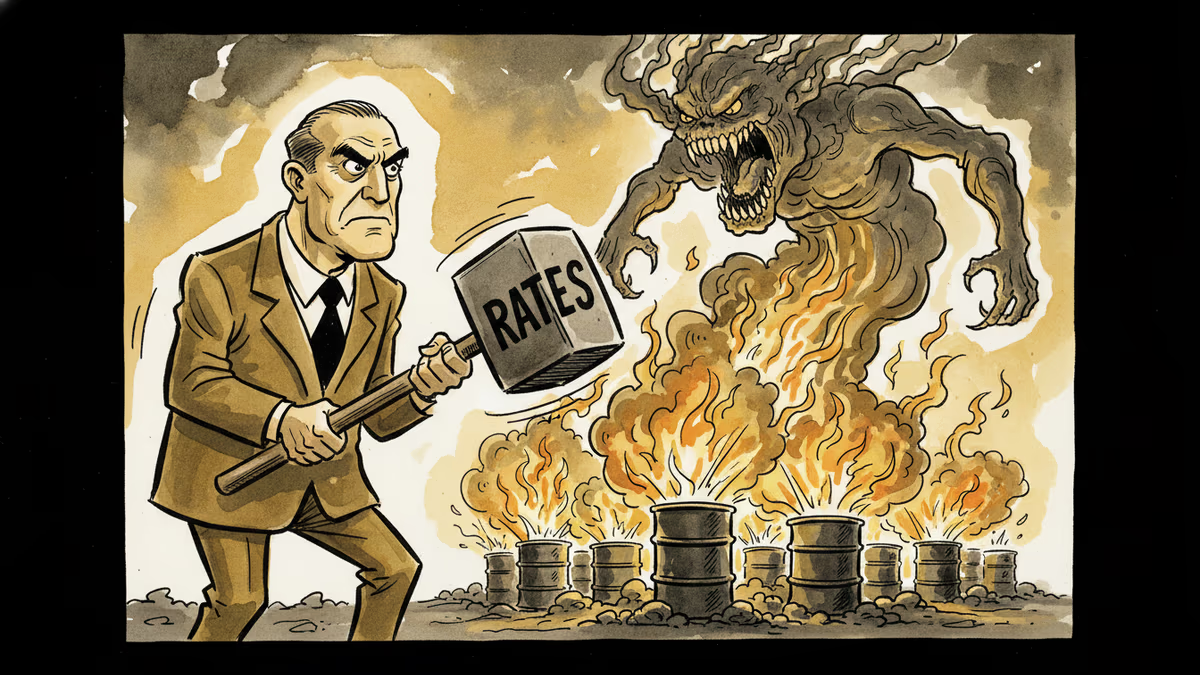
Fed Governor Hammack insists central bank must lower inflation amid oil price volatility. What this signals for interest rates and your portfolio.
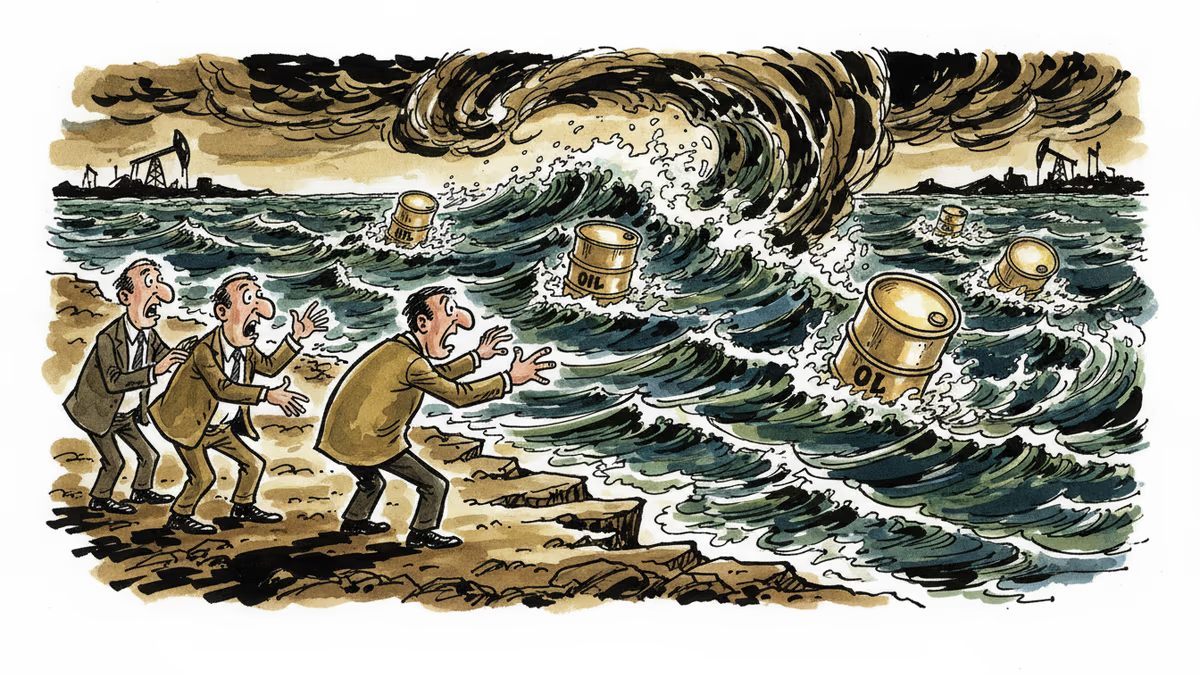
Oil derivatives reveal traders view current Middle East tensions as temporary, signaling a fundamental shift in how markets price geopolitical risk in the energy transition era.
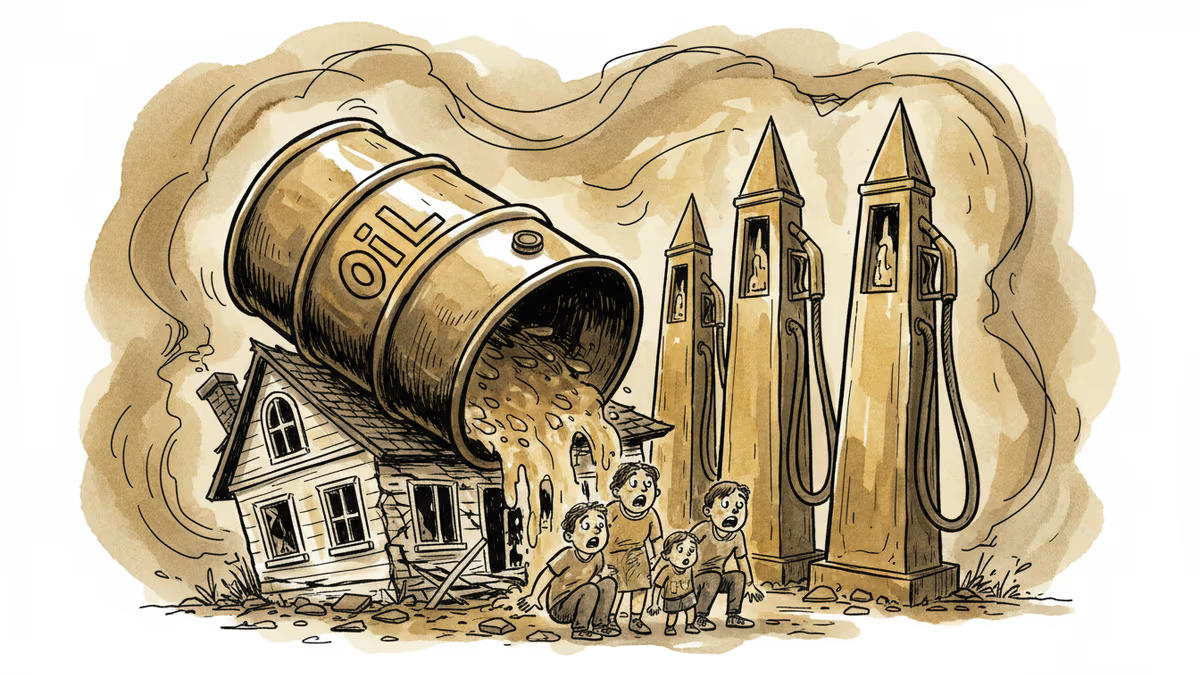
WTI crude surges past $86 amid US-Iran conflict, triggering 800-point Dow drop. Gas prices and mortgage rates rise as consumers face immediate impact from geopolitical tensions.
Middle East conflict shuts Strait of Hormuz, oil surges 24% in worst week since March 2022. Gas prices jump 27 cents as markets face stagflation fears
Fed Governor Hammack insists central bank must lower inflation amid oil price volatility. What this signals for interest rates and your portfolio.
Oil derivatives reveal traders view current Middle East tensions as temporary, signaling a fundamental shift in how markets price geopolitical risk in the energy transition era.
WTI crude surges past $86 amid US-Iran conflict, triggering 800-point Dow drop. Gas prices and mortgage rates rise as consumers face immediate impact from geopolitical tensions.
Middle East conflict shuts Strait of Hormuz, oil surges 24% in worst week since March 2022. Gas prices jump 27 cents as markets face stagflation fears
Thoughts
Share your thoughts on this article
Sign in to join the conversation