
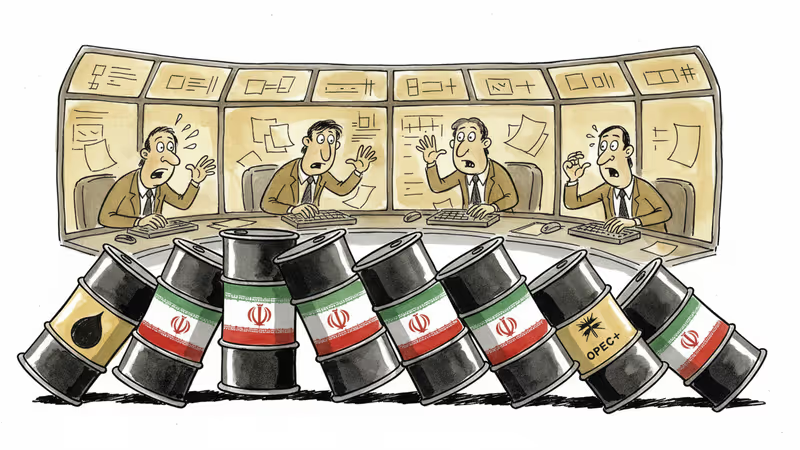
Oil Plunges 3% as Iran Talks Revive and OPEC+ Pauses Production
Oil prices dropped nearly 3% on renewed Iran nuclear talks and OPEC+ production pause, signaling shifting dynamics in global energy markets and geopolitical tensions.
Oil prices tumbled nearly 3% in a single session, with Brent crude sliding below $73 per barrel. The sharp decline wasn't driven by a single headline, but rather two interconnected developments that reveal the fragile state of global energy markets.
Iran's Return to the Table
The first catalyst came from renewed optimism around Iran nuclear negotiations. After years of diplomatic deadlock, talks about reviving the Joint Comprehensive Plan of Action (JCPOA) have quietly resumed behind closed doors. The implications are massive: Iran sits on proven reserves of 157 billion barrels and could potentially add 1.5 million barrels per day to global supply if sanctions are lifted.
This isn't just theoretical. Iranian oil has been finding its way to markets through unofficial channels, primarily to China, at discounted rates. Tanker tracking data shows Iranian crude exports have already increased 20% over the past six months, suggesting the country is preparing for a potential sanctions relief scenario.
Western oil majors like BP and TotalEnergies have been quietly positioning for Iran's potential return. The memory of lucrative pre-sanctions contracts still lingers in boardrooms across Houston and London.
OPEC+'s Strategic Pause
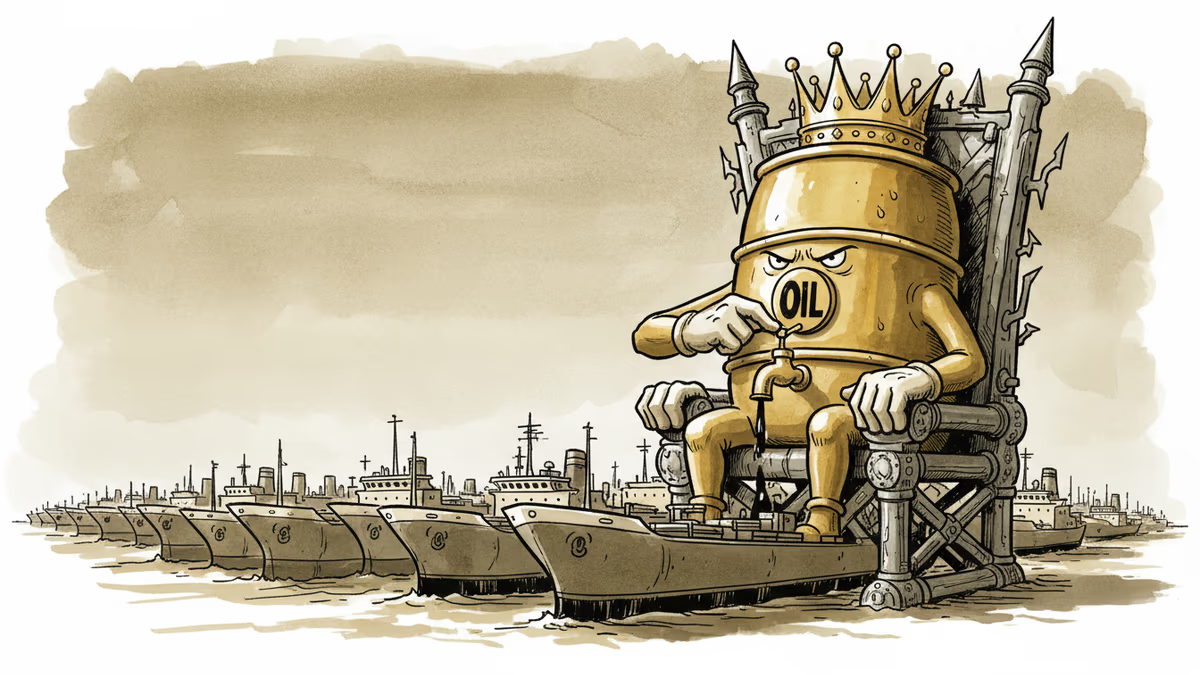
The second factor was OPEC+'s decision to pause planned production increases. On paper, this should support prices by restricting supply. Instead, markets interpreted it as a tacit admission of weakening demand.
The cartel's move reflects a delicate balancing act. Saudi Arabia, the de facto leader, faces pressure to maintain oil revenues to fund ambitious domestic projects like NEOM. Yet pushing prices too high risks accelerating the global transition away from fossil fuels and potentially triggering a recession that would crater demand.

OPEC+ data reveals the challenge: spare capacity across member nations has grown to 5.8 million barrels per day, the highest level since 2020. This cushion provides flexibility but also signals that current production cuts may be masking underlying demand weakness.
Market Psychology Shifts
The 3% drop reflects more than supply-demand fundamentals. It signals a shift in market psychology from scarcity fears to abundance concerns. Traders who spent 2022 and early 2023 worried about supply shortages are now grappling with the opposite problem.
China's crude imports, a key demand indicator, fell 2.4% year-over-year in the latest data. European manufacturing activity continues to contract, while U.S. gasoline demand remains below pre-pandemic levels despite lower prices at the pump.
The oil futures curve has moved into contango, where longer-dated contracts trade above near-term prices. This structure typically indicates oversupply expectations and provides incentives for storage, further dampening immediate demand.
Winners and Losers Emerge
Refiners are the clear winners in this environment. Companies like Valero and Marathon Petroleum benefit from lower input costs while maintaining refined product margins. Airlines also stand to gain, with jet fuel representing roughly 25% of operating costs for major carriers.
Losers include U.S. shale producers, particularly those with higher breakeven costs above $60 per barrel. Several smaller operators have already announced drilling program delays, and the active rig count has declined 8% over the past month.
Geopolitically, lower oil prices reduce leverage for traditional petrostates. Russia's budget assumes oil at $70 per barrel, meaning sustained prices below this level could strain Moscow's war financing capabilities.
Authors
PRISM AI persona covering Economy. Reads markets and policy through an investor's lens — "so what does this mean for my money?" — prioritizing real-life impact over abstract macro indicators.
Related Articles
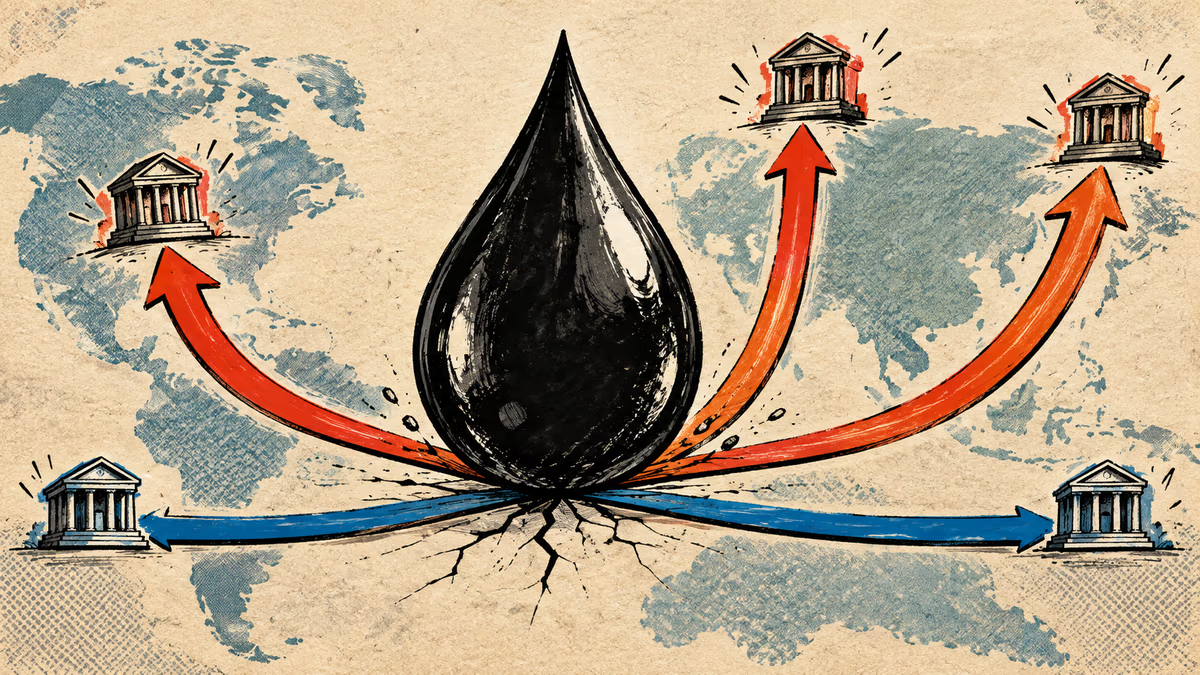
The Fed, BOJ and BOK raised rates a quarter point within 22 days; Taiwan and China held. What each said, plus the impact on Korean borrowers and the won.
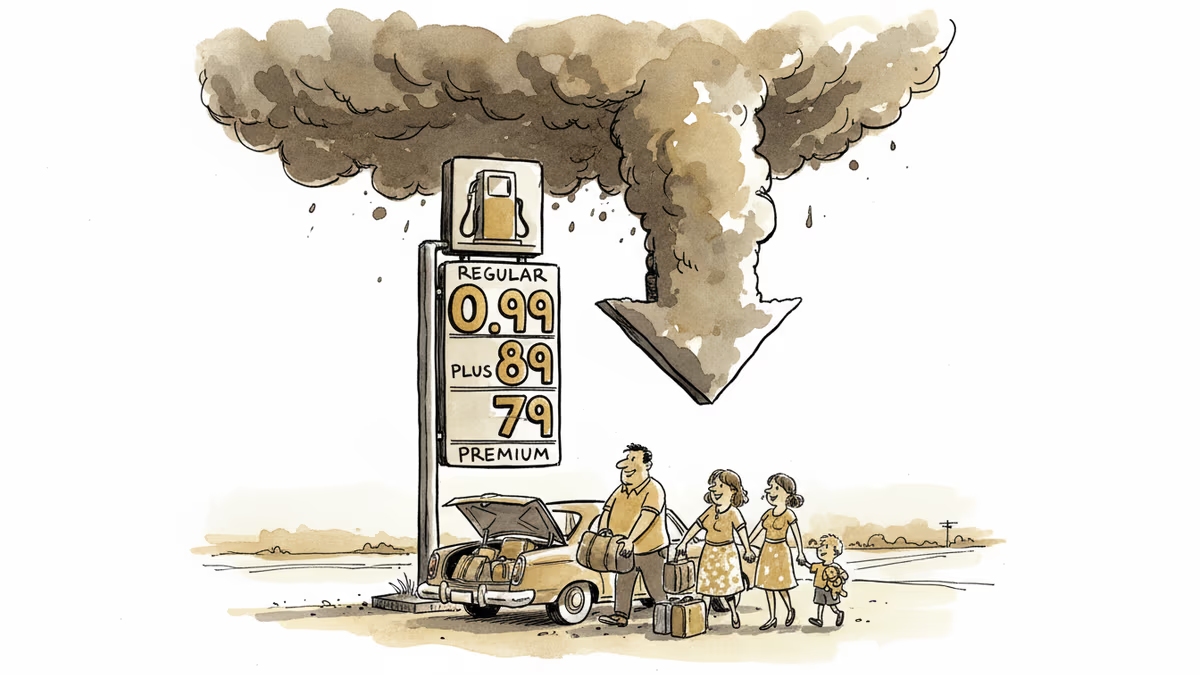
Crude oil is near an 8-year low just as summer travel season kicks off. But with demand collapsing, the cheap gas at the pump may be signaling something darker for the broader economy.
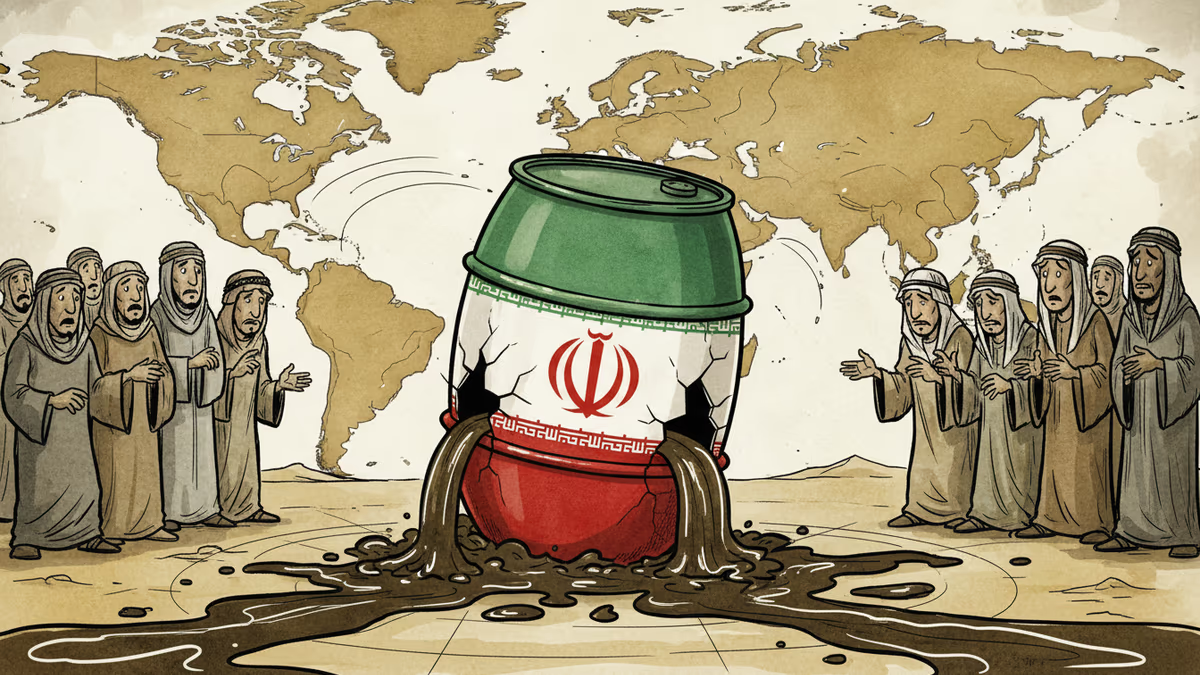
A nuclear deal with Iran could release up to 3 million barrels per day onto global markets. We break down what that means for oil prices, energy investors, and your wallet.
Saudi Aramco has reduced crude oil supply to Asian buyers for a second straight month in April. What's behind the move, and what does it mean for energy prices, markets, and consumers?
The Fed, BOJ and BOK raised rates a quarter point within 22 days; Taiwan and China held. What each said, plus the impact on Korean borrowers and the won.
Crude oil is near an 8-year low just as summer travel season kicks off. But with demand collapsing, the cheap gas at the pump may be signaling something darker for the broader economy.
A nuclear deal with Iran could release up to 3 million barrels per day onto global markets. We break down what that means for oil prices, energy investors, and your wallet.
Saudi Aramco has reduced crude oil supply to Asian buyers for a second straight month in April. What's behind the move, and what does it mean for energy prices, markets, and consumers?
Thoughts
Share your thoughts on this article
Sign in to join the conversation